WWE Experience, is a television program produced by WWE which recaps events taking place on Raw, SmackDown and Main Event that started in May 2004.
Celebrate the pioneers who made WWE what it is today in this WWE Network original series featuring every WWE Hall of Fame ceremony.
Lucha Underground introduces U.S. audiences to the high-flying, explosive moves of lucha libre. An ancient combat tradition, watch as good and evil wage war in a gritty battleground called “The Temple.”
The superstars of World Wrestling Entertainment's "SmackDown" brand collide each and every Friday on WWE Friday Night SmackDown.
The Superstars of ECW show off their hardcore skills and in-ring technical wizardry in this one-hour television series.
Monday Night Raw hosts some of the biggest and best matches in WWE history, featuring Superstars John Cena, Triple H, Becky Lynch and more
WCW Thunder was a professional wrestling show produced by World Championship Wrestling.
WWE Velocity was a professional wrestling television program produced by World Wrestling Entertainment. It replaced two syndicated WWE shows, Jakked/Metal. Once a weekly Saturday night show on Spike TV and on Sky Sports 2 in the UK on Sunday mornings, Velocity became a webcast from 2005 to 2006. The newest episode would be uploaded to WWE.com on Saturdays and be available for the next week. Older webcast episodes were also archived. It was the counterpart show to WWE SmackDown and WWE Raw and was recorded before the television taping of SmackDown. Get up to speed on the week's high-octane events from the SmackDown brand and see exclusive matches only on WWE Velocity.
The biggest WWE Superstars of the late 1980s and early '90s settle their differences in the ring on "Wrestling Challenge"; featuring exciting matches and memorable interviews, this weekly television series captures an important era of WWE history.
Carl Hébert is a young and recently widowed father trying to find equilibrium in his life. But raising two children on his own-- a disobedient daughter whose skirts are shorter than her attention span, and a son who is gifted and artistic-- is enough to throw anyone off kilter. Add to this a lack of income and a grandfather, Carol, a failed military type who believes he is the family’s General, and you have the perfect recipe for a down and out knockout. But what if Carl worked out the kinks in his life in a wrestling ring? Wrestlers trade more than just blows and it could help refill his empty wallet. With the not always judicious advice of his new wrestler friends, Carl Hebert attempts to find meaning in his new life.
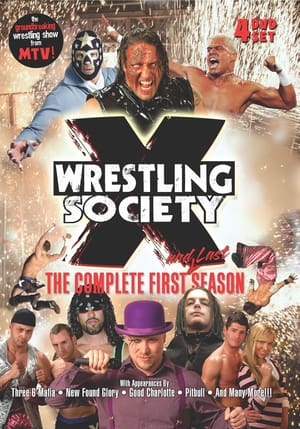
Wrestling Society X was a short-lived professional wrestling-based television series produced in 2006 by Big Vision Entertainment. The weekly television series formerly aired on MTV, MTV2, MTV Tr3s, and over a dozen other MTV outlets throughout the world. WSXtra, an extra program featuring WSX matches and interviews not broadcast on television, was available on the promotion's MTV website and Video on Demand. WSX was presented as a secret society of wrestling that used a venue referred to as the WSX Bunker, complete with an artificially worn-out looking ring for its matchups. In matches held within this venue, falls count anywhere was the stipulation. The program also stood out due to its unorthodox approach to pro wrestling; this included frequent use of highly expressive plants, crowd sound effects, electrical sound effects, visual effects, and camera shaking when a wrestler would fall prey to electrical weapons. Along with wrestling, WSX featured musical guests playing at the start of each television broadcast, with some band members joining the broadcast team after the performance.
WWE's flagship show of the early-90s featuring great in-ring action, news from the world of sports-entertainment, and more.
Feel the heat of the Attitude Era as WWE Superstars such as "Stone Cold" Steve Austin and The Rock compete in exclusive matches.
WCW WorldWide was a syndicated TV show produced by World Championship Wrestling.
A professional wrestling television program produced by the World Wrestling Federation banner on NBC airing in place of Saturday Night Live. The series was made up entirely of star vs. star bouts in a time when weekly programming consisted primarily of established stars dominating enhancement talent.
WCW Saturday Night was a weekly Saturday night TV show on TBS produced by World Championship Wrestling. The program existed through various incarnations under different names before becoming WCW Saturday Night in 1992. Although initially the anchor show of the Ted Turner-backed wrestling company, the September 1995 premiere of WCW Monday Nitro airing on sister station Turner Network Television usurped the show's once preeminent position in the company, as the primary source of storyline development and Pay-Per-View buildup. The show's place in the company was devalued by the advent of WCW Thunder in 1998, once the cornerstone of the WCW wrestling empire, WCW Saturday Night ended its run in 2000 as the company struggled creatively to meet the demands of producing over six hours of new broadcast material on a weekly basis. The rights to WCW Saturday Night now belong to WWE as a result of that company's 2001 purchase of WCW.
USA Championship Wrestling
One hundred contestants in top physical shape compete in a series of grueling challenges to claim the honor — and cash reward — as the last one standing.
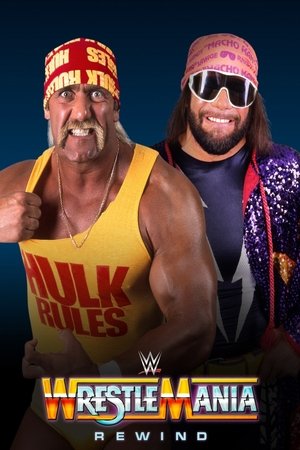
Relive the greatest matches and moments in WrestleMania history and discover the amazing stories behind them.
씨름의 희열 - 태백에서 금강까지