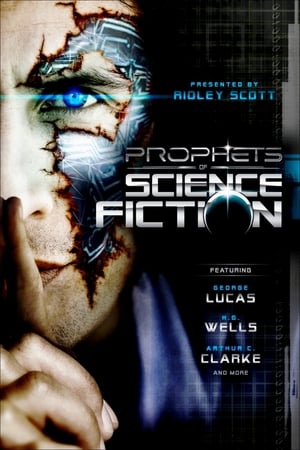
The series covers the life and work of leading science fiction authors of the last couple of centuries. It depicts how they predicted and, accordingly, influenced the development of scientific advancements by inspiring many readers to assist in transforming those futuristic visions into everyday reality.
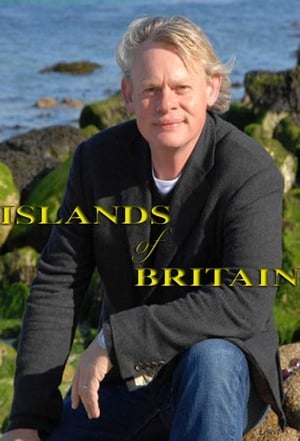
Martin Clunes: Islands Of Britain
An original documentary series, which for the first time in Greece documents the journey of rescuing the ancient texts from the past until today. A journey of exploration full of adventure, travel, libraries, but also great disasters. Thodoris Papakostas, presenter of the series, is an archaeologist with a special eye and knowledge on the subject. With him, we travel everywhere and talk to philologists, paleographers, and historians. Experts illuminate the adventures of texts through the ages, present the means and techniques employed from era to era to save our written heritage and tell us fascinating stories of people and manuscripts.
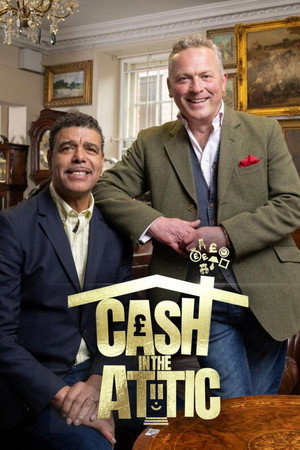
Collectibles are evaluated and sold to help raise money for special projects.
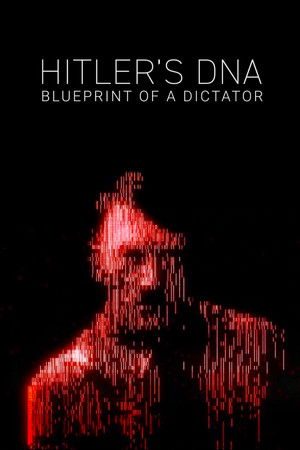
For the first time ever, experts identify Hitler’s DNA. What do his genes reveal about Hitler's heritage and origins, his neurology and drives?
The fascinating stories of the families behind the food that built America, those who used brains, muscle, blood, sweat and tears to get to America's heart through its stomach, those who invented new technologies and helped win wars.
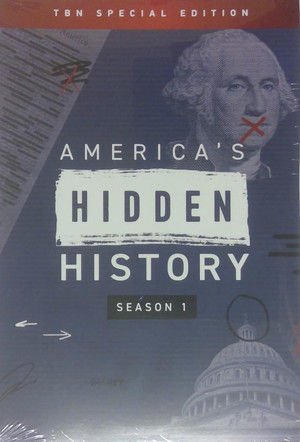
A series of short documentaries in talk show format loosely related to US holidays. In which they imply a cover-up of historical figures who prayed. No actual plot.
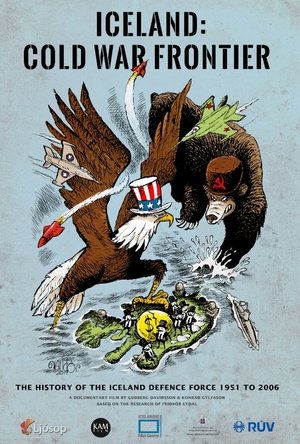
In the aftermath of the Second World War, relations between the former allied eastern and western powers deteriorated fast. Suddenly, the small island nation found itself in the midst of the ensuing “cold-war”, which it used to its full benefit to catapult into the modern world. A founding member of the NATO alliance, Iceland provided an important base for forward operations in protection of NATO’s northern flank and Scandinavia and the approaches to North America by U.S. and allied forces.
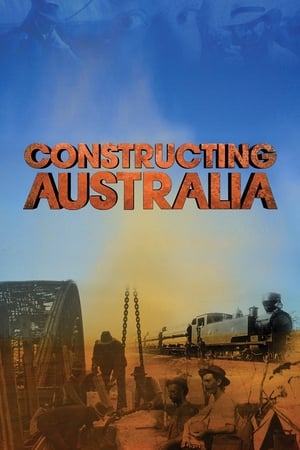
Constructing Australia
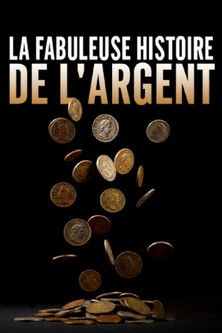
Invented 2700 years ago, closely linked to the destiny of empires and wars, money has changed the course of civilizations. From ancient Greece to contemporary America via ancient China and the French Revolution up to today's dematerialization of money initiated by Bitcoin, this documentary series deciphers the place it has played for millennia.
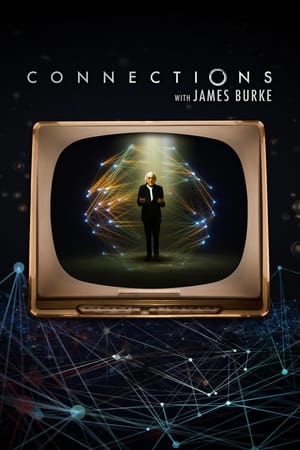
Historian James Burke continues his journey through random historical connections that together have shaped our world and provide important clues to our future.
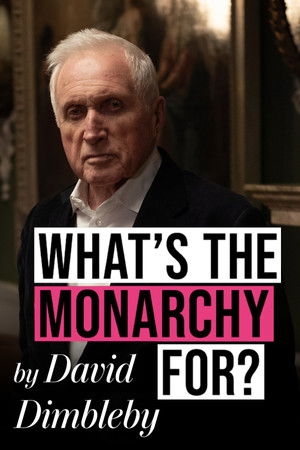
David Dimbleby examines the power, wealth and survival of the institution at the heart of our national life: the monarchy.
2005 : État d'urgence
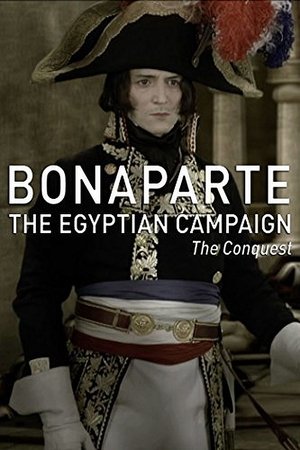
In the spring of 1798, Napoleon set out with 38,000 men and 10,000 sailors to conquer Egypt.
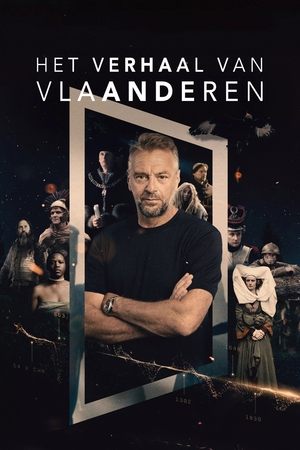
In this documentary series, interspersed with historical reconstructions, Tom Waes investigates what has happened since the arrival of the first Homo sapiens, on the 14,000 square kilometers that we today call Flanders.
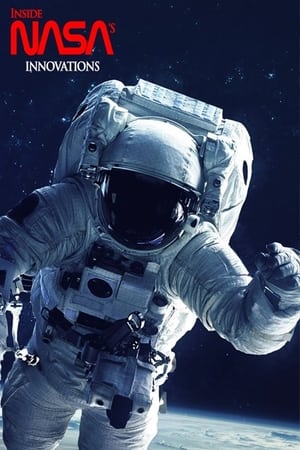
Inside NASA's Innovations takes you behind the scenes with one of the world's leading technology innovators. Find out what it takes to collaborate with NASA in developing the next breakthrough in space exploration.
The specter of drug trafficking haunts Europe. Struggling with ultra-violent criminal groups that control the vast majority of cocaine trade, European police forces are overwhelmed. The epicenter of all this trafficking: the Netherlands. A nation at the forefront of international trade and drug policy. This two-part film delves into the origins of European drug trafficking through the unique history of the Kingdom of the Netherlands.
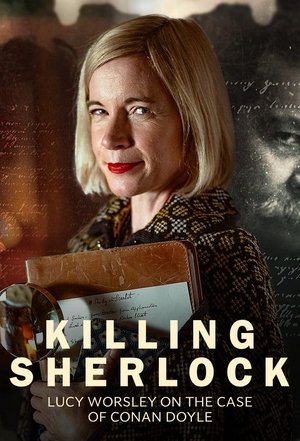
This is the story of a power struggle between two men - one fictional, and one real. In one corner is the master of crime – the greatest detective who never lived, Sherlock Holmes. In the other is writer, physician and spiritualist leader Sir Arthur Conan Doyle. Lucy Worsley explores the extraordinary love-hate relationship between author and creation.
In four chapters, largely based on and illustrated with archaeological finds and sites, Neil Oliver explains how, as far as is known, the Iron Age Celtic tribes known as the Ancient Britains evolved and entered European civilization. Their internecine tribal phase was warlike and partitioned. Overseas contacts, especially metal trade, brought wealth and progress. Ultimately, it attracted the superior Roman empire, which would conquer and pacify Britain into a province, like Gaul shortly before, but Caesar's invasion wasn't the definitive annexation yet, that was left to emperor Claudius; even afterward some Celtic traits and even rebellions remained.
Renowned author and journalist David Lagerkrantz, along with historians, forensic scientists and investigators, sheds new light on Swedish murders in the past.