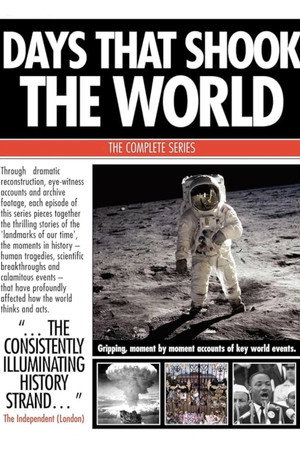
Days That Shook the World is a British documentary television series that premiered on BBC Two on 17 September 2003. The programme features various milestones throughout history. It has been broadcast on the BBC, Discovery Channel UK, The History Channel and Viasat History. The series was also released on DVD by the Polish edition of Newsweek in 2007.
HistoryMarche delves into the tactics, strategies, and impacts of historical battles, bringing them to life with detailed animations and creative storytelling. The channel balances education with engaging visuals, making complex military maneuvers accessible. With a focus on transparency, it highlights scholarly debates and speculative history, encouraging critical thinking. By blending storytelling and modern animation, HistoryMarche makes history dynamic, relevant, and visually compelling.
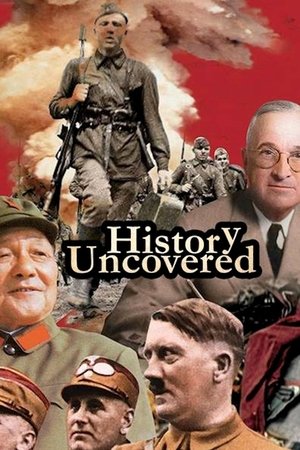
Myths die hard, and the history of the 20th century is no exception to this rule. Even today, we hold popular beliefs that we take for Evangelical truths. Thus, we believe that Hiroshima caused Japan to surrender, that the Marshall Plan saved Europe, that Adolf Hitler was a military genius, or that Mao Zedong was a necessary evil for China’s modernization. Of course, these judgements contain some truth; but, too broad-stroked to be accurate, they contradict the historical reality by denying its complexity. What if the truth was slightly different? Through an exploration of great national or international myths, this full archive documentary collection revisits the key moments of the 20th century with a new perspective in order to provide a new, smarter and more subtle interpretation, bringing elements to light that have been forgotten or sometimes overshadowed.
CONCORDE: THE UNTOLD STORY is a two-episode documentary that goes inside the race to build the first supersonic airliner at the height of the Cold War, with Europe's Concorde racing against the Soviet TU144 and the American Boeing 2707. The two-parter unearths a tale of espionage and national prestige as the British and French battled their counterparts, while examining the technical challenges in the battle for supersonic passenger jet supremacy. They all ultimately end in failure.
It's about human history, how humans shaped the world we live in. A history through cultures and civilizations - from early Mesopotamia to the industrial revolution. Documentary series from various european production company’s like BBC, SVT, NRK, DR, ARTE, Covering serveral topics of war, Persons Like Cleopatra, Hitler, George Washington, etc
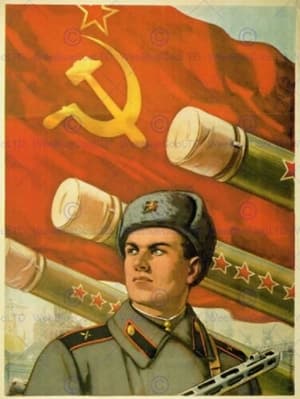
L'Armée rouge
Crash Course World History is a video course hosted by John Green that teaches world history from growing the first crops in the First Agricultural Revolution to global textile production in the 2010s. Across the series, it builds skills in identifying and explaining historical developments, analyzing events in broader context, and tracing patterns and connections across time and place—aiming to help viewers become more informed citizens of the world. Season 1 follows the 2012 AP World History curriculum in a 42-episode chronological survey, while Season 2 continues in 30 episodes with a more thematic approach that focuses on systems and encourages viewers to question how “history” is written and what biases shape it.
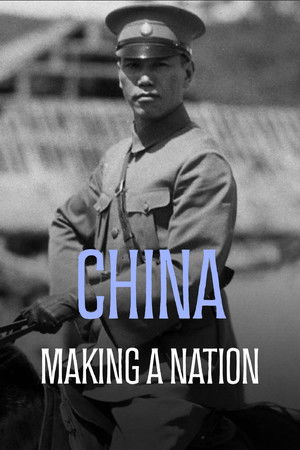
China: The Making of a Nation is the story of the painful transformation of the vast Qing Empire into the Chinese nation after the 1911 revolution. Spanning more than a century up to the Xi Jinping era, the story pits the two pivotal leaders of this transformation against each other: Chiang Kai-shek, leader of the Republic of China for 47 years, and Mao Zedong, who rose from ‘red bandit’ to master of the mainland in 1949. Sworn enemies, they fought a merciless battle: first military, then diplomatic, and finally, beyond their deaths, in the conflicting memories of the Taiwanese and the Chinese of the People's Republic. Beyond their fierce hatred, the two tyrants also had much in common: a certain vision of Chinese territory and the greatness of China, the desire to regain the country's sovereignty and the quest for a Chinese identity in a nation that also includes Tibetans, Uighurs, Mongols... and a certain ability to rewrite history.
Father-and-son team Peter and Dan Snow embark on an epic journey to describe battles that transformed the 20th century. Known for its extensive use of "sand table" CGI effects to help viewers visualize the battles.
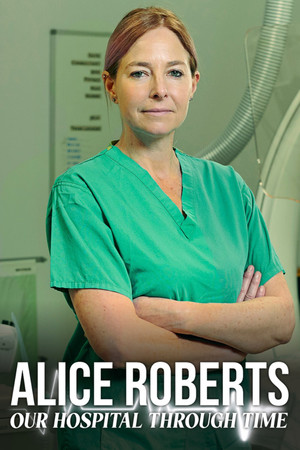
Unprecedented access to the renowned hospital's modern wards and private archive.
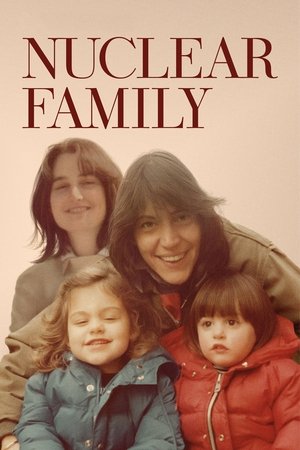
Ry Russo-Young turns the camera on her own past to explore the meaning of family. In the late 70s/early 80s, when the concept of a gay family was inconceivable to most, Ry and her sister Cade were born to two lesbian mothers through sperm donors. Ry’s idyllic childhood was threatened by an unexpected lawsuit which sent shockwaves through her family’s lives and continues to reverberate today.
This dramatic series tells stories of 20th century world events, revealing unexpected aspects of some of the pivotal moments of modern history. Each episode focuses on one major event and the 100 days that give context to the events leading up, during or at the close. The narrative of each episode will unearth little-known incidents and characters and gives a sense of what lies ahead.
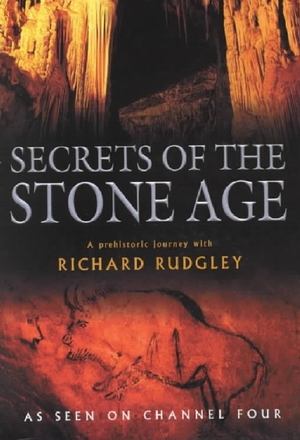
Anthropologist and author Richard Rudgley sets off on an epic journey back in time and around the world to discover the real roots of civilization.
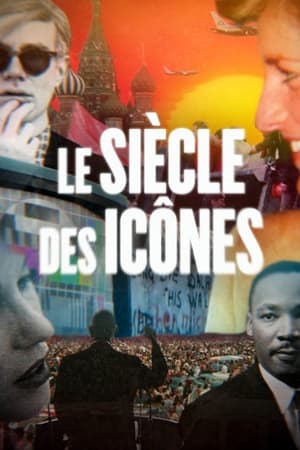
Le Siècle des icônes
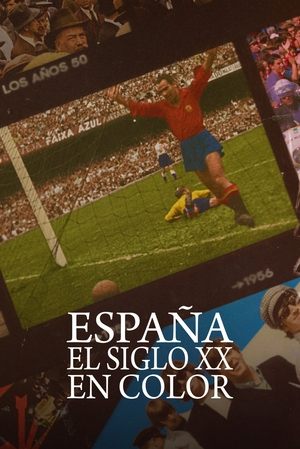
Through the birth of cinema and the first images recorded in Spain, this series takes viewers on a journey from the late 19th century to the 1970s across 6 hour-long episodes. An exclusive journey through Spain's history featuring stunning footage colorized for the first time and enhanced with realistic sound design to bring out their vividness and spectacular nature. A captivating yet educational series with lively and emotional narration that offers viewers a new way to experience the past.
A documentary series about heroines of the II World War. Stories told from the perspective of the characters are full of emotions and tension, they show courage, sacrifice, willpower but also recklessness or pragmatism. Characters of the series are not flawless monuments but regular women with their own problems, who happened to play an important role in the history. The visual style of the project is animadoc. It comprises archival materials, interviews with experts, and sequences of fictionalised scenes: shots stylised as comic frames, where an actor is connected with scenography hand-drawn by comics illustrators.
Rudí prezidenti
In Ideas of the 20th Century, Dr. Daniel Bonevac examines the major intellectual movements that shaped modern Western thought. Beginning with the Scientific, Agricultural, and Industrial Revolutions, the course explores how traditional beliefs came under pressure, creating tensions between human freedom and scientific determinism and contributing to cultural and political upheavals. Through the ideas of thinkers such as Nietzsche, Marx, Freud, and the existentialists, as well as debates over totalitarianism, liberty, language, truth, and justice, the course traces the search for meaning in the modern world. By connecting philosophy, politics, and culture, it reveals how the central ideas of the 20th century continue to shape contemporary society and the challenges facing Western civilization today.
Chronicling the last days of British rule around the globe, through the remarkably candid reminiscences of both colonizers and the colonized.
A documentary series chronicling the history of Las Vegas, beginning in the early 1900s.