Around the World in 80 Days is an animated television series that lasted one season of sixteen episodes, broadcast during the 1972-1973 season by NBC. It was the first Australian-produced cartoon to be shown on American network television. Leif Gram directed all sixteen episodes, and the stories were loosely adapted by Chester "Chet" Stover from the novel by Jules Verne.
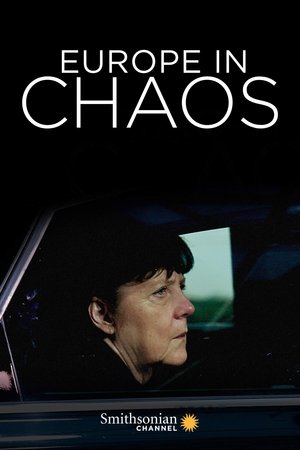
The European Union has been beset by a series of comings and goings over the last few years, each triggering its own brand of crisis. The civil war in Syria created the biggest wave of refugees to hit Europe since World War II, sparking contested debates on how to divvy up tens of thousands of refugees across E.U. countries. Meanwhile, in the U.K., Britain's vote in favor of Brexit added to the turmoil. Go behind the scenes with firsthand accounts of Europe's tumultuous last decade and its impact around the globe.
Des trains pas comme les autres
Le vrai nouveau monde
Invitation au voyage
The history of decolonization from the point of view of colonized peoples, an epic story that still resonates and reverberates to this day.
Karin och Carl Larsson
Over six episodes, Maisonneuve looks at the repercussions flowing from the arrest of 11 students at Montreal’s Collège de Maisonneuve as they prepared to join the ranks of the Islamic State in Syria. From the initial shock to a gradual opening for dialogue, the series follows the paths of six exceptional young people who share their points of view. Through their eyes, Maisonneuve highlights both the importance and the fragility of living together in harmony in Quebec.
A documentary on the American Civil War narrated by Ken Burns, covering the secession of the Confederacy to the assassination of Abraham Lincoln.
At Heathrow's Terminal Three, officers stop a student from entering the UK after a trip home to his native India, while the team in Calais search lorries they suspect are being used to smuggle illegal immigrants.
A look back at a cruel conflict, the Franco-Prussian War (1870-71), which changed the political geography of Europe and sowed the seeds of a deep antagonism between France and Germany that culminated in two world wars. Excerpts from the diaries of the witnesses, photographs and painted panoramas tell the truth about a forgotten war.
A series featuring six major artists and writers who live and work in exile.
The documentary series portrays cities that are characterized by their maritime location and have always been closely connected with the spirit of discovery.
With unprecedented access to ICE operations, as well as moving portraits of immigrants, this docuseries takes a deep look at U.S. immigration today.
Ian Hislop rescues the reputation of the maverick 'Do-Gooders' who he believes fixed the 19th century's version of 'broken Britain' in this new history series. Irresistibly easy to mock, these busy bodies are highly unfashionable today. But they are heroes to Ian - extraordinary men and women who precipitated the most remarkable period of social change in British history and, Ian argues, left us with a nation worth living in. And yet unlike notable Victorian royals, inventors, politicians and generals, many of them have been all but forgotten.
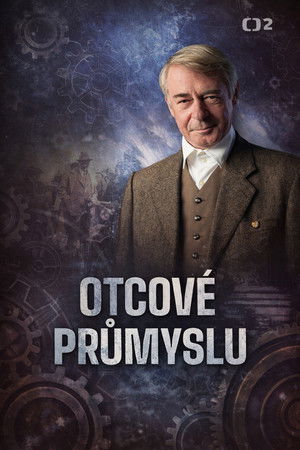
The miniseries tells in four episodes the story of powerful men that included Brazil in the world economic map in the first decades of the twentieth century: Francesco Matarazzo, Percival Farquhar, Giuseppe Martinelli and Guilherme Guinle. Visionaries, dreamers and polemic, they bet on developments that put the country on the path to become one of the economic powers of the twenty-first century.
Échappées Belles is a French weekly discovery magazine, broadcast on Saturdays in the first part of the evening on France 5 since September 30, 2006. It is presented in turn by Sophie Jovillard, Jérôme Pitorin, Ismaël Khelifa, Tiga, Sabine Quindou, Théo Curin and Anto Cocagne.
The history of the rise, rule and fall of the Eighteenth Amendment to the United States Constitution and the entire era it encompassed (1920-33). After nearly a century of activism, Prohibition was intended to improve the lives of all citizens by protecting individuals, families and society at large from the devastating effects of alcohol abuse; but paradoxically it made millions of people rethink their definition of morality.
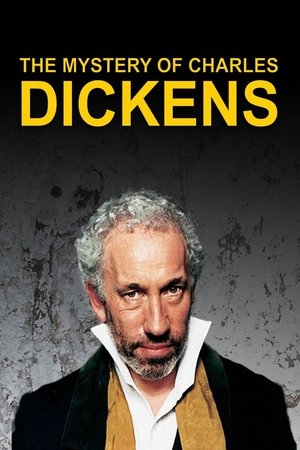
Dickens is a 2002 three-part docudrama presented by Peter Ackroyd, on whose biography of Dickens it was based. An unorthodox style is taken: actors play various individuals in Dickens' life (as well as Dickens himself), interviewed as if appearing in a contemporary documentary. Their words are from actual letters and journals of the individuals involved, and serve to illuminate the hardships and successes in Dickens' life, and the way his experiences found their way into his works.