AFP: American Fighter Pilot is a reality series broadcast briefly on CBS in 2002. It followed three Air Force officers as they trained to become pilots of F-15 fighter jets at Tyndall Air Force Base outside of Panama City, Florida. The series included footage of their experiences in the air, as well as interactions with their families and instructors. Directors Tony Scott and Ridley Scott were co-executive producers. Unsuccessful in the ratings, the series was cancelled after two episodes.
The lush Hawaiian Islands provide a dramatic backdrop as the pilots of Windward Aviation risk injury and even death as they perform rescues in this tropical paradise.
The Australian International Airshow, also called the Avalon Airshow, is a large air show held biennially at Avalon Airport, between Melbourne and Geelong in Victoria. The event has a strong focus on military aviation, featuring aircraft from the Royal Australian Air Force, United States Navy and the United States Air Force. Representatives from other air arms have also appeared at the airshow on many occasions, including aircraft from the Royal Air Force, Japan Air Self-Defense Force, Republic of Singapore Air Force and many others. It has been said by air show organisers to be the largest air show in the southern hemisphere.
Want to learn something new and have a little fun along the way? Join curator Matthew Burchette as he goes behind the scenes to explore some of history’s most iconic aerospace treasures.
Terror of the World: The story of a deadly war that intertwines Germany, Poland, Japan, Italy and Spain, and the remorseless development of weapons and bombers.
This definitive history of manned flight has been compiled into 26 hour episodes, with access to some of the rarest archive film ever taken. Unprecedented co-operation has been extended by the world's leading aircraft manufacturers and leading archive libraries. Included in the footage are shots of rare prototype accidents and failures which contributed to the inevitable achievement and success of man in the air. Since Charles Lindbergh became the first lone aviator to cross the Atlantic in 1927, air transport has greatly accelerated , revolutionised by the giant Boeing 747 Jumbo Jet - and what might we see in the 21st century?
The story of flying boats is one of ingenuity and enterprise; of style during the dying days of Britain's imperial grandeur; of Coastal Command's war against the U-boats and of post-war skepticism that hastened their end. For all those who flew in them the flying boats were unique and unforgettable.
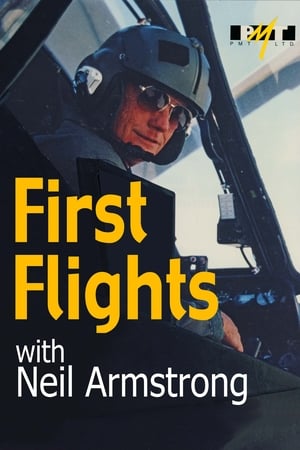
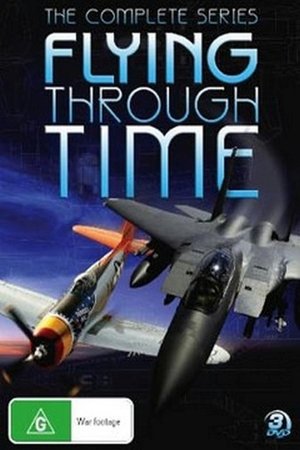
NASA Apollo astronaut Neil Armstrong adds to his long list of space flight & aviation accomplishments as he takes the controls of a variety of flying machines. Each episode blends historic footage, interviews, and flying. Armstrong takes you on an exhilarating adventure through time.
This new series features the fascinating stories of three of the most important commercial aircraft ever to take to the skies.
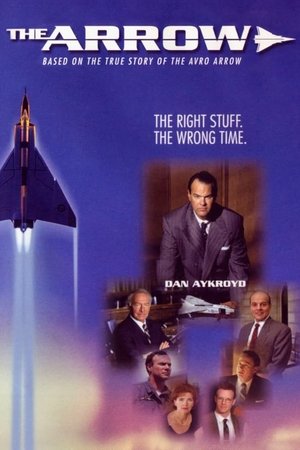
The story of the people building the AVRO Arrow, an advanced jet fighter-interceptor designed to defend Canada's vast territory during the Cold War. Though the jet was an engineering marvel, cost over-runs, U.S. government pressure from the military industrial complex, and the election of the Progressive Conservative Diefenbaker government, stopped the jet just as it was getting off the ground.
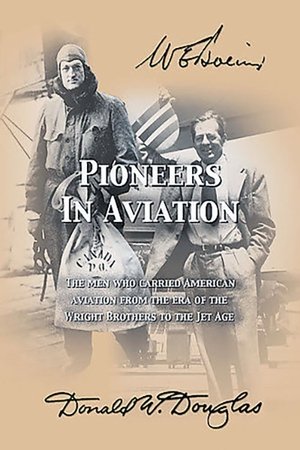
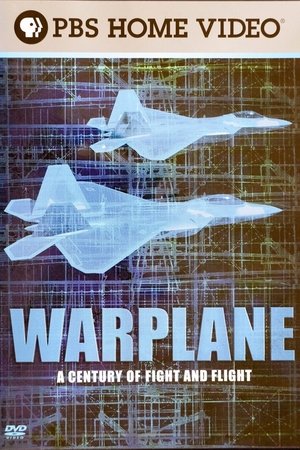
EMMY-nominated PBS documentary covering the history of American aviation, from the Wright Brothers to the very frontiers of space.
Choppers
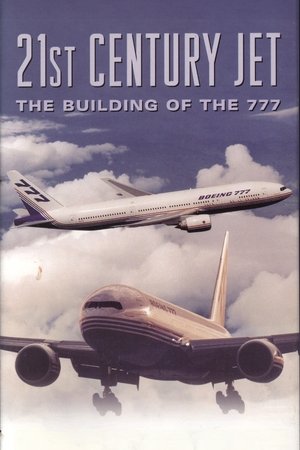
The Boeing Company develops their most technically advanced aircraft: the 777. From corporate conference rooms to factory floors, its extensive testing and first commercial flight, more than 10,000 people were involved in the creation of the new plane, assembled with parts from all over the world.
Australia's aviation history is a saga of daring feats, can-do attitude, pig-headed visionaries, iron-fisted politicians and warring pilots; of humble beginnings and mega deals.
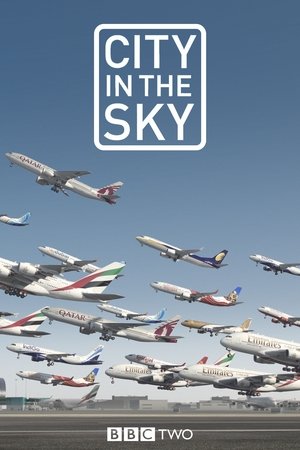
Dallas Campbell and Dr Hannah Fry investigate what it takes to get a million people and their luggage off the ground and up in the air. From building the world's biggest passenger plane to navigating through the busiest airport on the planet, to the perils of getting airborne in the coldest city on earth - Dallas and Hannah go to extremes to get under the skin of the remarkable story of departure. You will never look at flying in the same way again.
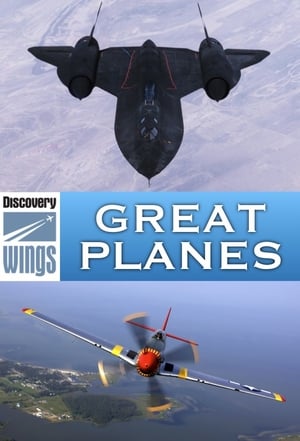
Great Planes
The Aviators is an award-winning weekly documentary-lifestyle-science TV series featuring interesting people, the latest aircraft, current technology and fly-in destinations. The show's site describes subject matter as follows: "We will take you behind the scenes to show you how airline pilots train, how planes are built, and how ATC works. We will profile aviation businesses and showcase aviation products. We will provide safety tips for private and recreational pilots and career tips for professional pilots."
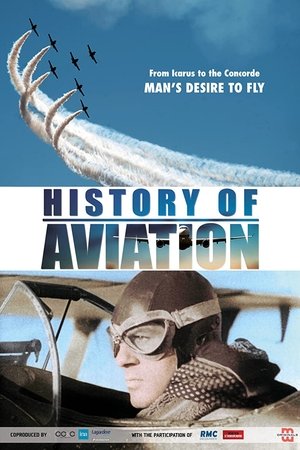
From the first men in their flying machines to World War One, from the first Atlantic crossing to the supersonic era, this is the story of the most daredevil challenges the world has ever known, braved by the men and women who wrote the history of human flight.
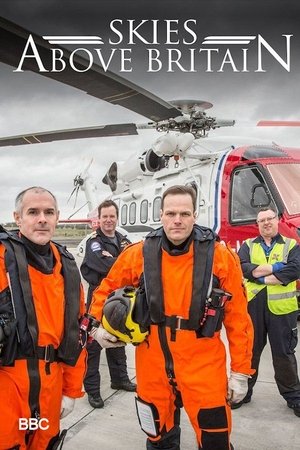
A look at the unseen side of aviation. With unprecedented access to the world of air traffic control, the series puts the spotlight on the hidden army of controllers whose job it is to keep our skies safe.
A century ago, the world experienced a revolution in mobility. Cities like Berlin grew rapidly, with the Graf Zeppelin soaring over the city in 1928, sparking excitement for airship travel. These majestic airships made ocean crossings faster and more luxurious, and even enabled polar expeditions. At the same time, automobiles and motorcycles became staples for many, although streets became congested. Women like Amelia Earhart and Elly Beinhorn broke barriers in aviation, inspiring new possibilities for both genders in the field of technology. While air travel grew in popularity, trains remained the main long-distance transport. The era also saw an explosion of new mobility options, with faster, cheaper ways to travel across the globe, making the world seem smaller and more connected. However, this golden age of mobility would be cut short by the outbreak of World War II.