The Curse of Quon Gwon is the oldest known Chinese-American film and one of the earliest American silent features made by a woman. Only two reels of the film survive, and no intertitles are known to exist, making it difficult to parse out the exact plot. An article in the July 17, 1917 issue of The Moving Picture World states that the film "deals with the curse of a Chinese god that follows his people because of the influence of western civilization." The film also touches on themes of Chinese assimilation into American society. Formally premiering in 1917, no distributor was willing to purchase a Chinese-American film without racial stereotypes. Considered a devastating financial failure, the film was only screened two more times until its rediscovery in 2004. Preserved by the Academy Film Archive in 2005.
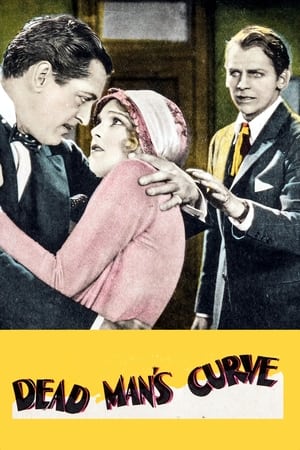
Clay Whipple is convicted of murdering the governor following an incident involving a cat's eye pin. Whipple is sentenced to death, but a mentalist named Psychic Jack believes he is innocent since Whipple had been hypnotized at the time of the murder. The psychic persuades the judge to grant the condemned man a retrial, and he sets out to uncover the identity of the real killer, during which time he manages to prevent a second murder from occurring.
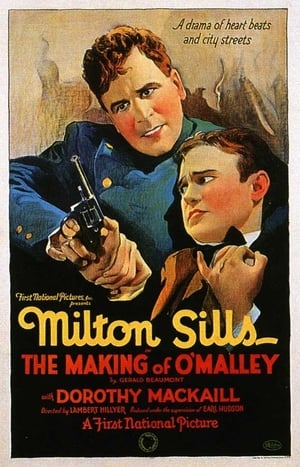
Shakespeare Clancy is a jailbird who walks out with a crowd of visitors about the time "Skeeter" Burns, the prison printer, is discharged. Learning that a legacy awaits them in Dodson, the pair depart for the small Western town. Discovering that the bequest consists of a failing county newspaper and a plot of barren land, they hatch a plan to fleece the townspeople by selling shares in a bogus oil well. Problems arise when Clancy falls in love with society editor Alice Whitney. Clancy is conflicted but then they do strike oil! Concluding that his destiny is to be an honest man, Clancy returns to jail to finish serving his term. Slipping into the crowd of visitors, he dons his prison clothes and resumes work as though nothing had happened.
A couple of boy gangs in Budapest constantly fight over the neighborhood turf.
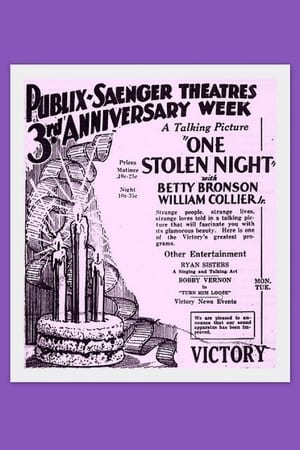
A gang of crooks evade the police by moving their operations to a small town. There the gang's leader encounters a faith healer and uses him to scam gullible public of funds for a supposed chapel. But when a real healing takes place, a change comes over the gang. Lost film, only the most famous scene has survived.
American silent drama film following an early Vitagraph leading man and matinee idol. Prints of the film are held at the Library of Congress and George Eastman House Motion Picture Collection.
A melodrama about a painter who is infected with syphilis, refuses treatment, turns to the use instead of narcotics, and withers away.
Prospector Harry Farley returns from Alaska to find that his sister, Helen, has gone to New York with Florence, her blind daughter, after being deserted by her husband, Richard Norman. Under the name of Sidney Heaton, Norman has married Blanche Maberly and fallen in with a bootlegging gang while succumbing to the blackmail of Dick Watkins. Helen dies, Heaton kidnaps Florence, but Harry tracks him to the Adirondacks.
Frank Prentiss, a multi-millionaire who hates and distrusts women, convinces his adopted son, Jack, that they are detrimental to a man's success. The overworked Frank is forced to rest at the country home of his friend, Mr. Gray, where he meets and falls in love with the host's daughter, Kate. She refuses his proposal at first, but later accepts because her father, who has two younger children, is experiencing financial difficulties. Following the wedding, Kate is subjected to Frank's verbal abuse and seeks solace with Jack. Their friendship enrages Frank, who tortures them with his accusations. During a dinner party, Frank accuses Jack and Kate of being lovers in front of the male guests. Jack is restrained from accosting his father, but Frank suffers a fatal heart attack. Later, Jack and Kate fall in love and are married.
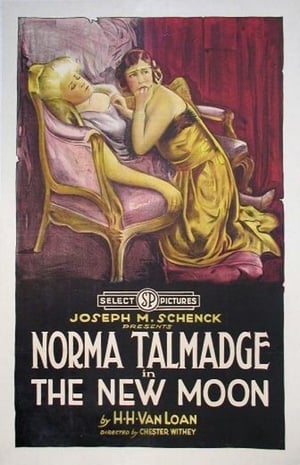
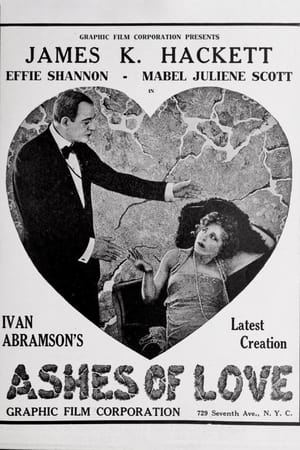
Only six months of marital bliss and Lillian Josselyn is filled with dread at the return of Pierre Marchand, her former lover, who left her to marry Ellen Latimer.
In a futuristic city sharply divided between the rich and the poor, the son of the city's mastermind meets a prophet who predicts the coming of a savior to mediate their differences.
A film based on novel Jane Eyre.
A bank clerk forges a check to help his girlfriend's father. He's found out, but instead of being arrested he becomes a member of a gang of forgers.
Uncle Sam is mistaken for Marion's uncle Sam.
A piece of lumber projecting from the side of a freight car picks up the mail sack hanging from the crane at Bell Station. Two hobos find the sack and rifle the contents. Morrison, postmaster at Bell, has been systematically robbing the mails and benefits by the mail sack's disappearance. Mary Gates, daughter of an engineer, supplies the Post Office inspectors with the first clue. The detectives blunder, however, and arrest Billy, Mary's sweetheart. Chance leads them on the trail of the tramps. The hobos are arrested after a desperate battle. Later, as the result of Mary's clever work, Morrison is brought to bay, while Billy wins his freedom.
James Rallston, facing financial hardship, marries a wealthy invalid widow with a daughter, Jean, and plots to control her fortune. He orchestrates her confinement in a sanitarium by drugging her and falsely claiming she is insane, with the help of a conniving doctor and sanitarium keeper. Fifteen years later, Rallston has lost Jean's fortune through speculation and seeks help from John Bigelow to recover it, offering Jean as a reward. Bigelow, suspicious of Rallston, discovers the truth about the widow and Jean's father, and rescues the widow from the sanitarium.
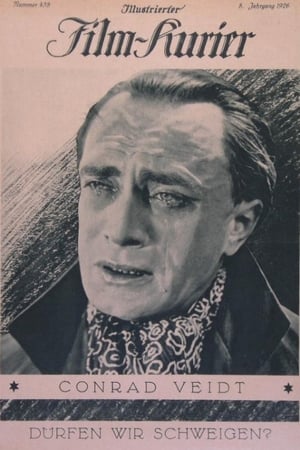
Lorenz Ferleitner has worked his way up from a poor but gifted farm boy to a recognized master builder. When a new cathedral is to be built, he is given the honor of carrying out the task. He would like to commission the unknown young painter Fritz Rasmussen to decorate the dome. The director of the art academy, Professor Marquardt, however, wants to employ his untalented nephew for the painting work. A bitter conflict unfolds.
Hoping to consolidate their adjoining ranches, Don Fernando and Don Diego betroth their children, Ramón and Dolores, although Ramón is in love with Suzanna, the daughter of a peon on his father's ranch, and Dolores is interested in Pancho, a toreador. When Suzanna learns that she was kidnapped in infancy and is really Don Diego's daughter, she keeps silent; but Ramón finally rebels and steals Suzanna from the altar as she is about to marry Pancho. There are explanations, Ramón marries Suzanna, and Dolores marries Pancho. Suzanna (1923) has been mastered from a good quality but incomplete 35mm print.
A peasant girl goes to great lengths to protect her child in 19th century Vienna. The film is considered lost, and only four minutes of footage are known to remain.
Partially lost.