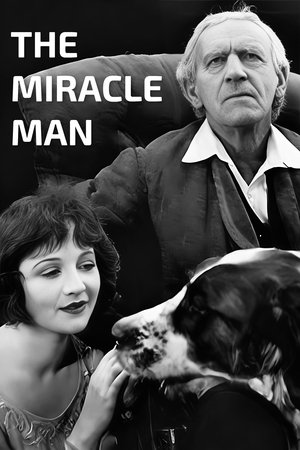
A gang of crooks evade the police by moving their operations to a small town. There the gang's leader encounters a faith healer and uses him to scam gullible public of funds for a supposed chapel. But when a real healing takes place, a change comes over the gang. Lost film, only the most famous scene has survived.
George Walters is a youth who is dominated by Bleary, a heartless bully, who forces him to pose as the son of millionaire George Warring, kidnapped as a baby. The missing son had a twin brother who had recently died, but a painting of the shadow of the late son is on one wall. Walters' shadow matches this painting perfectly, establishing him as the missing son to the Warring family. Walters falls in love with Warring's daughter Lucia and finds that the family attorney Glaxton is slowly poisoning the old man.
Tōjin Okichi is a 1930 film by Kenji Mizoguchi based on the novel by Gisaburo Juichiya. Only 4 minutes have survived. The fragment has been published on DVD coupled with The Downfall of Osen (1935) by Digital MEME in 2007.
The movie tells the journey of a shadow, our architect, from his home to his office: a sunny bike becomes a journey into his creative process. The mind of an architect never switches off, his particular way of seeing the world and his existential experience, all of this, he attempts to synthesise and merge into a great idea: 9x9.
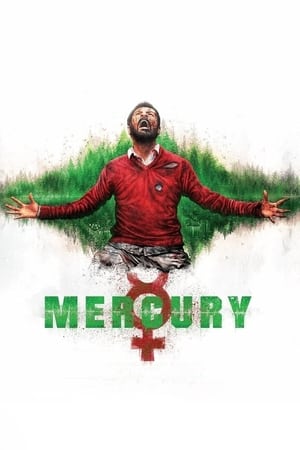
Five friends, all affected in some way by a mercury poisoning incident are partying when a freak accident put them on a collision course with an entity that is in no mood to forgive their misgivings.
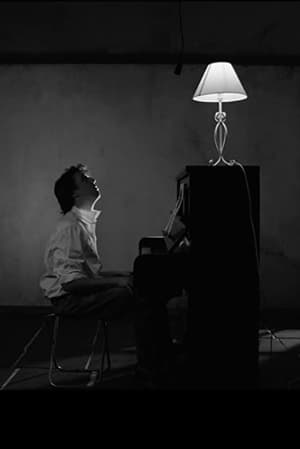
A short silent film influenced by the classical German Expressionist cinema of the 1920s. Two musicians struggle with passion and sanity, delving further into desperation, paranoia and death as they search for the souls of their creativity.
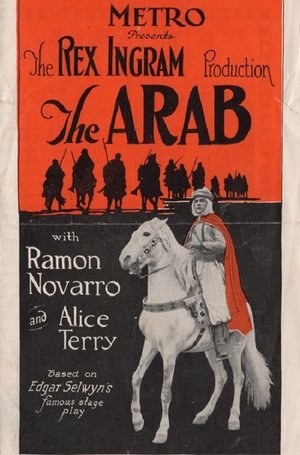
Jamil, a soldier in the Bedouin defense forces during a war between Syria and Turkey, deserts his regiment but later returns to save children of a missionary’s orphanage who are at risk of being enslaved or killed by the Turks.
One of the two earliest horror films ever made. This film is presumed lost.
One of the two earliest horror films ever made. This film is presumed lost. In this black comedy scene, the bottom falls out of a coffin, the corpse tumble out, and is jolted back to life. Short sequences like this, as well as street scenes and dancing geisha girls were the main subjects of early Nippon cinema, pioneered by Shiro Asano and Shibata Tsunekichi from 1897 onwards. In creating dramatic, scenes, film-makers naturally chose the most striking or bizarre. Another undocumented film, recalled by cameraman Shiro Asano.
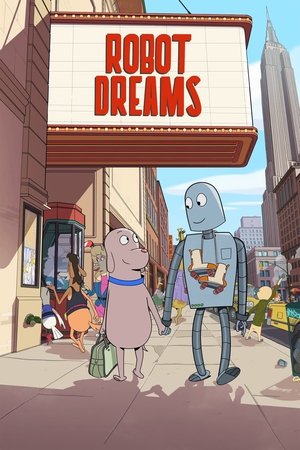
A lonely dog's friendship with his robot companion takes a sad turn when an unexpected malfunction forces him to abandon Robot at the beach. Will Dog ever meet Robot again?
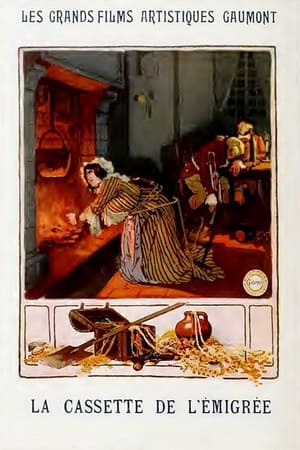
La Cassette de l'émigrée
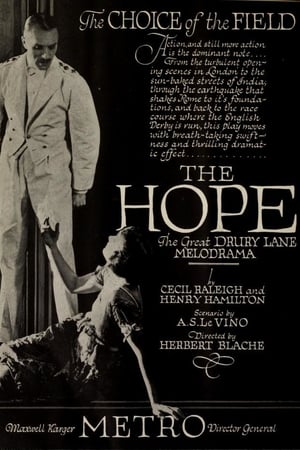
An upper class melodrama.
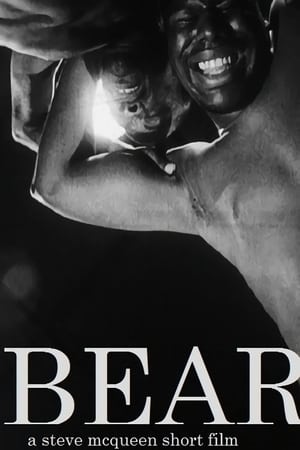
Bear (10 minutes, 35 seconds) was Steve McQueen's first major film. Although not an overtly political work, for many viewers it raises sensitive issues about race, homoeroticism and violence. It depicts two naked men – one of whom is the artist – tussling and teasing one another in an encounter which shifts between tenderness and aggression. The film is silent but a series of stares, glances and winks between the protagonists creates an optical language of flirtation and threat.
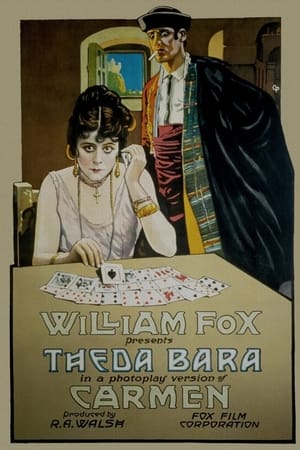
A Spanish soldier falls under the spell of a fiery gypsy girl named Carmen. His obsession with her leads to his ruin.
This film begins with the invocation of 'almighty god' at a river where several people are gathered. The child god Krishna rises out of the water astride the demon snake Kaliya. Then we see Yashoda as she rocks the sleeping Krishna's crib and imagines the god as Gopala. The next scene shows Kamsa fantasizing about Krishna threateningly duplicated many times around him. Kamsa then imagines himself dead as his severed head rises up and descends again. People of all castes pay obeisance to the deity with the title-card: 'may this humble offering be accepted by the Lord'.
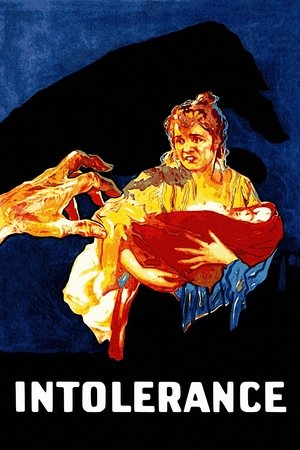
The story of a poor young woman, separated by prejudice from her husband and baby, is interwoven with tales of intolerance from throughout history.
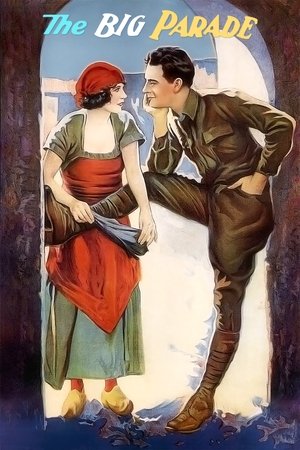
The story of an idle rich boy who joins the US Army's Rainbow Division and is sent to France to fight in World War I, becomes friends with two working class men, experiences the horrors of trench warfare, and finds love with a French girl.
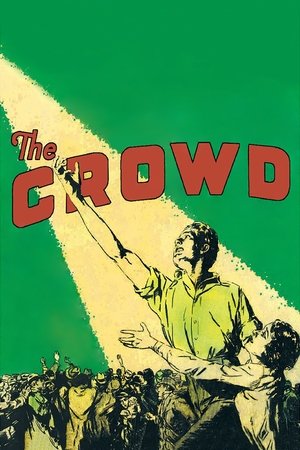
John, an ambitious but undisciplined New York City office worker, meets and marries Mary. They start a family, struggle to cope with marital stress, financial setbacks, and tragedy, all while lost amid the anonymous, pitiless throngs of the big city.
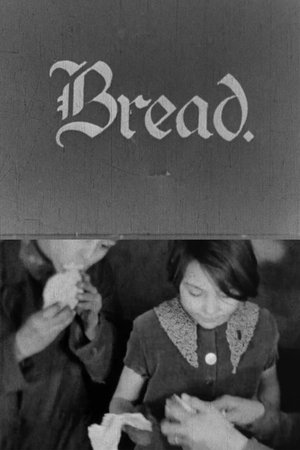
Life on the breadline in the 1930s was hard enough, but times were desperate when you fell beneath it. Hunger marches organised by the National Unemployed Workers' Movement drew attention to the cause, but this left-wing collective picked up a cine-camera. The fictional story at the heart of the film is somewhat melodramatic, but the authentic surroundings give its message realism and weight.
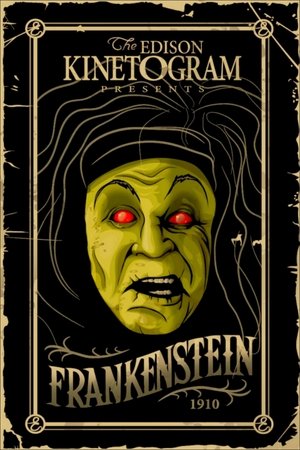
Frankenstein, a young medical student, trying to create the perfect human being, instead creates a misshapen monster. Made ill by what he has done, Frankenstein is comforted by his fiancée; but on his wedding night he is visited by the monster.