Forastero
Found footage: California in the 1950's and 60's. A young Indian couple enjoys their personal American dream come true in their home somewhere in the suburbs of San Francisco. In great detail they pose with their newly achieved wealth in front of their Super-8 camera. Just like postcards, they would send these film rolls to their joint families back in India. Around the same time, an American missionary couple visits the city of Calcutta to shoot a Christian propaganda film. The drastic reality with poverty and famine in the streets of the Indian metropolis fits perfectly into their wicked plan: To promote the faith in Jesus by showing the misery that pagan believers are doomed to suffer from.
Me sem s-ar tu
Partitions draws on photographs, state documents, audio recordings and footage of domestic spaces and routines, to tell a story of Sindhi migration following the Partition of India in 1947. Inspired by the life of a woman who was born in Hyderabad, Sindh, grew up in Madras (Chennai) and lived the rest of her life as a Singaporean, the film juxtaposes fragmented recollections of the past with enduring practices of the present.
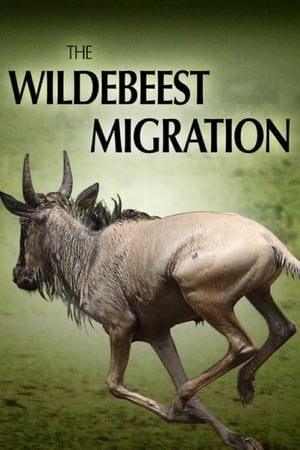
Every year, on the steppes of the Serengeti, the most spectacular migration of animals on our planet: Around two million wildebeest, Burchell's zebra and Thomson's gazelles begin their tour of nearly 2,000 miles across the almost treeless savannah. For the first time, a documentary captures stunning footage in the midst of this demanding journey. The documentary starts at the beginning of the year, when more than two million animals gather in the shadow of the volcanoes on the southern edge of the Serengeti in order to birth their offspring. In just two weeks, the animal herd's population has increased by one third, and after only two days, the calves can already run as fast as the adults The young wildebeest in this phase of their life are the most vulnerable to attacks by lions, cheetahs, leopards or hyenas. The film then follows the survivors of these attacks through the next three months on their incredible journey, a trip so long that 200,000 wildebeest will not reach the end.
Five Afghan men try to reach Europe. The filmmakers followed them for over six months, filming their clandestine journey and chronicling a migration combining fantasy and stark reality, setbacks and achievements, in the midst of the dangers of such trips.
Successful model Samira Hashi makes an emotional return to Somalia, one of the most dangerous places in the world and the place she was born. Civil war broke out in 1991, 10 days after Samira's birth, but two years later her family managed to flee the country and she grew up in the UK.Now, as Samira and the war both turn 21, she's going back for the first time to visit the people and places she left behind. The contrast with her safe and glamorous life in London could not be starker as she experiences firsthand the war's effect on a generation of young people growing up in conflict.
Liubov, a Russian lady who lives in Mexico City. During the routine of her day, Liubov will recall the experiences she had with death, from childhood to adulthood.
The Mejia family emigrated from Oaxaca to Fresno, California 40 years ago. Filmmaker Trisha ZIff filmed the family in 1996, and returns now to see the changes that have settled over them, and follows the family on their return to Mexico.
Through first person narration, Tari reveals personal stories related to her decision to work in Taiwan, her strained family relationships, the risks involved in working abroad and the traps she has fallen into.
Three alien women with futuristic sound headgear walk around enclosed spaces engulfed in sand. They are connected by their common ability to listen to the stories of migrant Venezuelan women abandoned objects carry.
This anthology film, whose Chinese title begins with a romantic name for human excrement, premiered internationally at Rotterdam and won Best Screenplay from the Hong Kong Film Critics Society. A variety of Hong Kong people wrestle with nostalgia when facing an uncertain future. Their stories give way to a documentary featuring a young barista turned political candidate.
Guanape Sur. A barren rock island off the coast of Peru. No soil, no water. Nothing is growing here. Around its shores a restricted area has been established. The island serves hundreds of thousands of sea birds as a breeding ground.
Charming amateur film featuring the Eisner family, who emigrated to Britain from Romania the year this film was made.
Brair Kani explores an ancestral house located in Srinagar, Kashmir. Using the attic as a site of reflection, the film navigates the relationship between space, belonging and personal history. Inhabiting the confines of the attic, the house spirits exist simultaneously as carriers of collective memory and as manifestations of the emotional landscape.
A migrant boat has been stranded in the Mediterranean Sea for 30 hours. As authorities ignore calls for help, the Sea-Watch Crew, an NGO, launches an urgent search.
Four migrants share their experiences about living in Georgia for the past several years.
Dublin, June 2024: thousands of men seeking asylum in Ireland are homeless. Olivia and her group of volunteers are trying to find safe locations where the men can sleep each night, but the government is actively enforcing its new policy against homeless encampments, and the far-right are lurking.
Makun (no llores) - Dibujos en un CIE
A family history archive as told by matriarch Azalu Mekonnen and her granddaughter Samira Hooks.