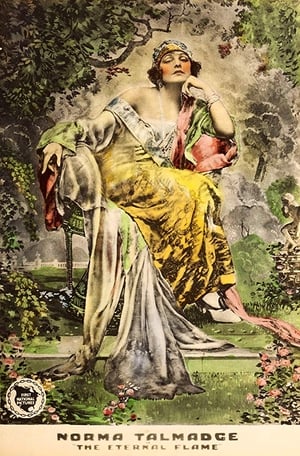
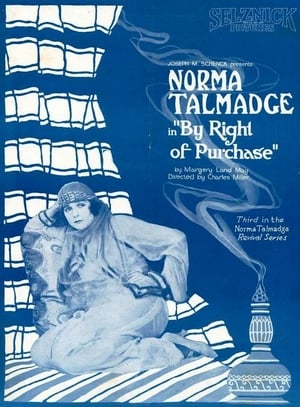
In 19th century Paris a hedonistic woman marries an aristocrat but has trouble keeping faithful to him.
Famous Russian screen actors play themselves in this drama about the lives of actors. Thirteen minutes of the film survive.
This mostly lost film is often confused with director Paul Wegener third and readily available interpretation of the legend; Der Golem, wie er in die Welt kam (1920). In this version of the golem legend, the golem, a clay statue brought to life by Rabbi Loew in 16th century Prague to save the Jews from the ongoing brutal persecution by the city's rulers, is found in the rubble of an old synagogue in the 20th century. Brought to life by an antique dealer, the golem is used as a menial servant. Eventually falling in love with the dealer's wife, it goes on a murderous rampage when its love for her goes unanswered.
Frank Prentiss, a multi-millionaire who hates and distrusts women, convinces his adopted son, Jack, that they are detrimental to a man's success. The overworked Frank is forced to rest at the country home of his friend, Mr. Gray, where he meets and falls in love with the host's daughter, Kate. She refuses his proposal at first, but later accepts because her father, who has two younger children, is experiencing financial difficulties. Following the wedding, Kate is subjected to Frank's verbal abuse and seeks solace with Jack. Their friendship enrages Frank, who tortures them with his accusations. During a dinner party, Frank accuses Jack and Kate of being lovers in front of the male guests. Jack is restrained from accosting his father, but Frank suffers a fatal heart attack. Later, Jack and Kate fall in love and are married.
Molly and Me
Princess Marusya fell in love with Dr. Toporkov, the doctor who had treated her, but he failed to notice her affection and married a wealthy merchant’s daughter. Several years later, called upon to treat Marusya once more, at last her deep feelings melt his hardened heart... but it is far too late: Marusya is dying.
Behind The Doors Of The Salon
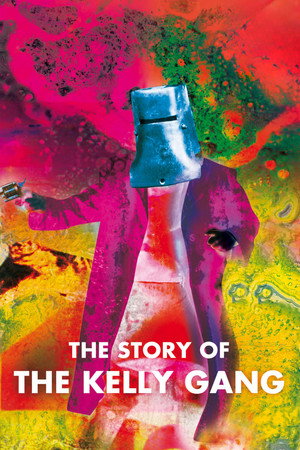
Just as Galeen and Wegener's Der Golem (1915) can be seen as a testament to early German film artistry, The Story of the Kelly Gang (1906) symbolizes both the birth of the Australian film industry and the emergence of an Australian cinema identity. Even more significantly, it heralds the emergence of the feature film format. However, only fragments of the original production of more than one hour are known to exist, preserved at the National Film and Sound Archive, Canberra; Efforts at reconstruction have made the film available to modern audiences.
A gang of crooks evade the police by moving their operations to a small town. There the gang's leader encounters a faith healer and uses him to scam gullible public of funds for a supposed chapel. But when a real healing takes place, a change comes over the gang. Lost film, only the most famous scene has survived.
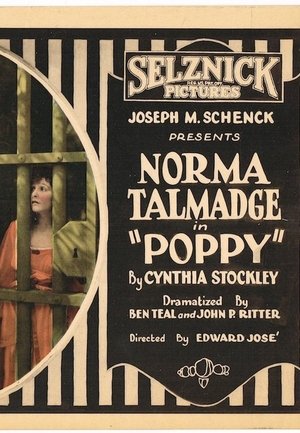
A 1917 film directed by Edward José
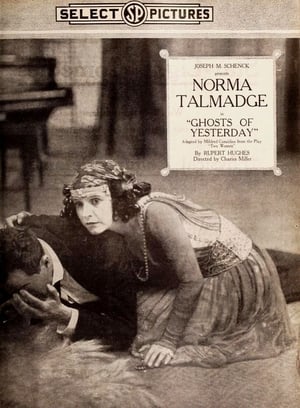
After his wife/model has died of starvation with her portrait unfinished, an impoverished artist meets another woman with a striking resemblance to her.
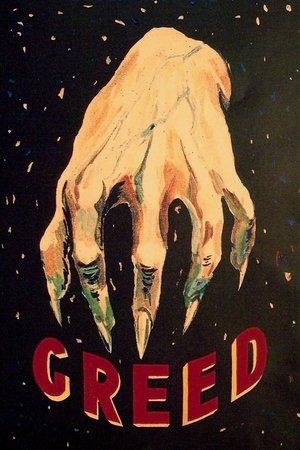
A 1922 film directed by Frank Lloyd.
A young girl, Rose Eastmen lives with her lazy Uncle, who works as a janitor in a publishing house. Lacking education, both Rose and her Uncle are susceptible to the socialist ideas of writer Rudolph Creig. One day Rose encounters Jack Steven's the wealthy son of the publishing house, working on his car. She believes he is a common laborer, and begins seeing him. Through her exposure to Jack, Rose begins to realize the rich are not such an abominable people. Rudolph has also reached this conclusion after learning Steven's has published his book. Now with a hefty royalty check and success, Rudolph is able to marry Rose.
The story of two feuding Irish immigrant families living in a tenement.
After a harsh argument between her and her father, a young girl with artistic talent leaves home for a new life.
The son of a poor fisherman and the daughter of a wealthy landlord fall in love, but meet with obstacles to being together. Their happiness meets with objection by her father, who intends to permanently separate them.
Margot Brising spends the summer in the countryside with her aunt, Mrs. Börje. There she reunites with her childhood friend Gustav, Mrs. Börje's son, who is a naval officer. They fall in love with each other.
When her husband Fred goes bankrupt, Lily Morton is forced to give up the trappings of wealth and move into a humble home while Fred attempts to fight his way back to prosperity. Resentful of her modest circumstances, Lily accepts her friend Marion Garland's offer to introduce her to Mrs. Farington, a woman who will pay handsomely for Lily's escort services. Lily goes to work for Mrs. Farington while her unsuspecting husband struggles to regain his former wealth. While managing an apartment house for one of his wealthy clients, Fred visits Mrs. Farington, a tenant, and, noticing a framed picture of Lily, asks to be introduced to the girl. Mrs. Farington arranges the rendezvous, and when Lily arrives, she is confronted by her enraged husband who chokes her to death. At this moment, Lily awakens from her nightmare, and chastened for her superficiality, begs Fred for forgiveness.
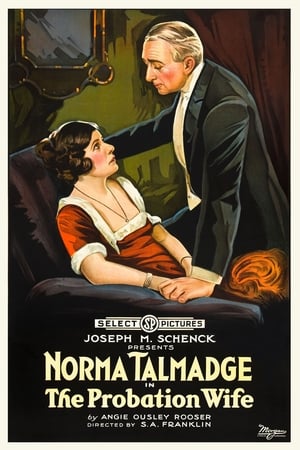
Only six months of marital bliss and Lillian Josselyn is filled with dread at the return of Pierre Marchand, her former lover, who left her to marry Ellen Latimer.
A film based on novel Jane Eyre.