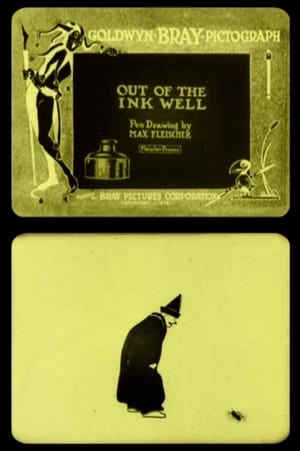
Max Fleischer draws the upper and lower halves of the Clown's body, which dance around separately before coming together. Max interacts with his creation before ultimately washing the Clown off the page with water.
"All sounds travel in waves much the same as ripples in water." Educational film produced by Bray Studios New York, which was the dominant animation studio based in the United States in the years surrounding World War I.
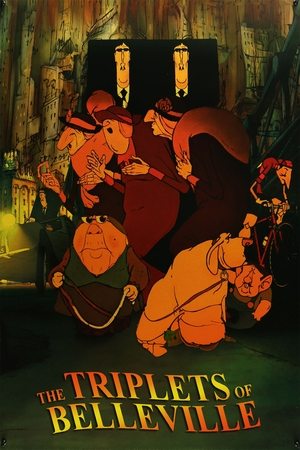
When her grandson is kidnapped during the Tour de France, Madame Souza and her beloved pooch Bruno team up with the Belleville Sisters—an aged song-and-dance team from the days of Fred Astaire—to rescue him.
A boy competes in various events during the Olympic games. Short film from 1936.
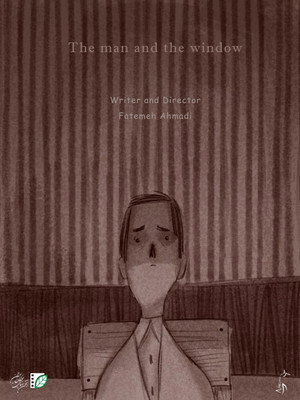
A lonely man spends his life joyfully observing the lives of those in the apartment across the street. One day, those people move out, leaving room for his wandering imagination…
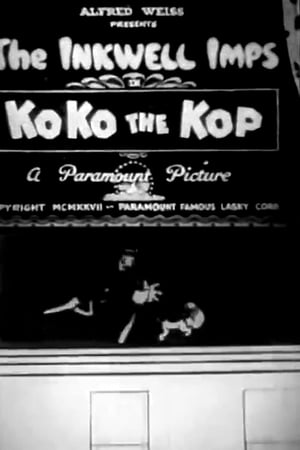
Part of the 'Inkwell Imps' series.
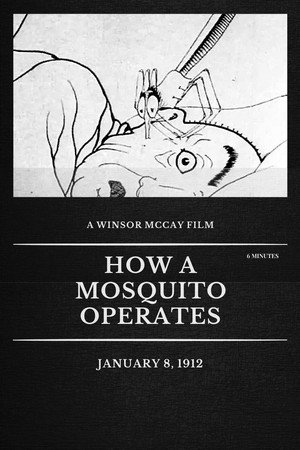
A hungry mosquito spots and follows a man on his way home. The mosquito slips into the room where the man is sleeping, and gets ready for a meal. His first attempts startle the man and wake him up, but the mosquito is very persistent.
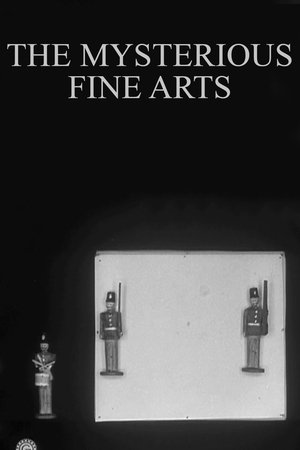
In this film several objects make paintings on an empty canvas, which all turn into photos and films.
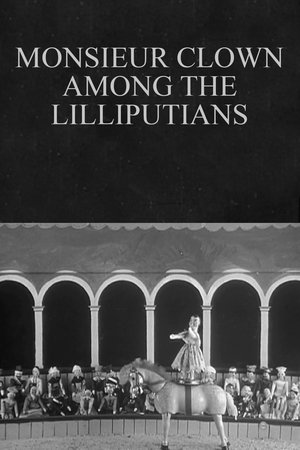
Stop-motion film from Émile Cohl has a clown walk out in front of a group of people and do various tricks including standing on his head, riding a horse and falling face first off the horse.
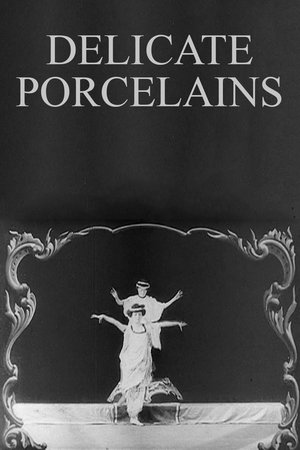
Several unique specimens of highly ornamented porcelain are shown in series. In each case the various pieces of ware are in reality formed of living people. After a short time has been allowed for admiration of each article, it disintegrates into the individual models, who pose in various figures and dances. In the following pictures are seen a powder box, a clock, candle sticks, a loving cup and a vase, all of wonderfully ornate design, beautifully colored. (Moving Picture World)
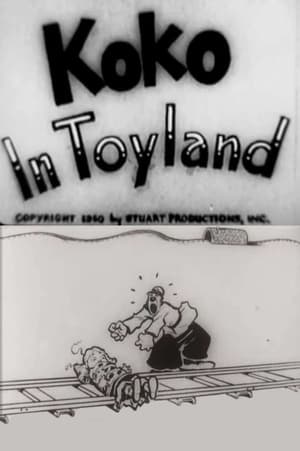
In this Christmas season release, Max assembles a toy train track while Ko-Ko the Clown visits a cartoon toyland, playing cops and robbers and rescuing a doll in distress.
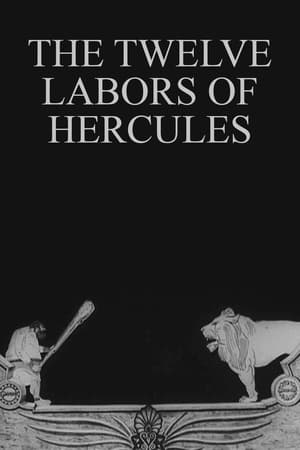
A cut-out animation depicting the Twelve Labours of Hercules.
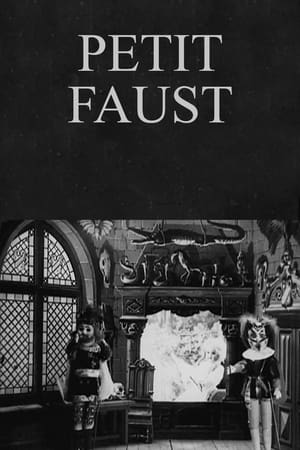
The various parts of Faust are played by puppets.
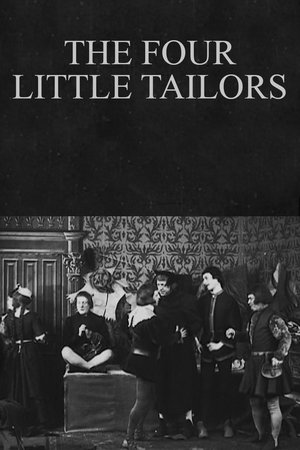
The opening scene is in a tailor's shop, showing the four assistants more or less in love with their employer's daughter. After some time, the tailor says he will give his daughter to the one who shows himself to be the cleverest. Some very amusing incidents follow. The various feats accomplished during the contest are clever examples of trick photography. (Moving Picture World)
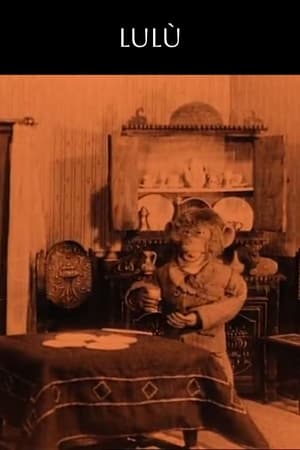
A monkey comes home and uses a magic wand to make himself dinner. No sooner as he falls asleep, a hungry burglar enters his house. This short film was made by Segundo de Chomón in 1923 in his private studio with the help of his wife and son, outside of any studio structure, and has never had a regular distribution.
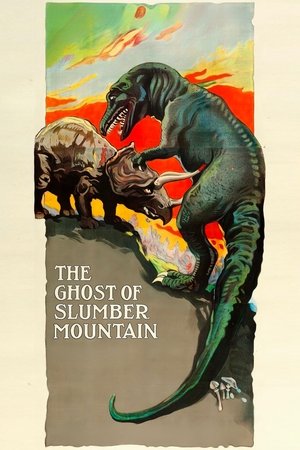
In a dream Uncle Jack looks through a magic telescope owned by the ghost of a hermit and sees what life was like millions of years ago, including a battle between prehistoric monsters.
A tilted figure, consisting largely of right angles at the beginning, grows by accretion, with the addition of short straight lines and curves which sprout from the existing design. The figure vanishes and the process begins again with a new pattern, each cycle lasting one or two seconds. The complete figures are drawn in a vaguely Art Deco style and could be said to resemble any number of things, an ear, a harp, panpipes, a grand piano with trombones, and so on, only highly stylized. The tone is playful and hypnotic.
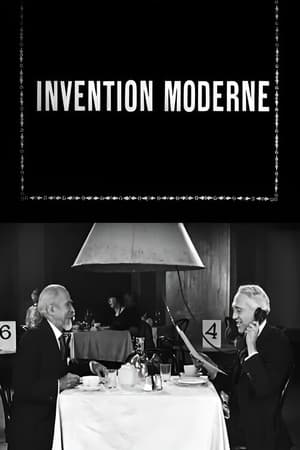
When Charley asks a young woman whom he is in love with to marry him, she tells him that he needs to get her father's consent. But when Charley then goes to see her father, who owns a restaurant, he ends up getting hired as a dishwasher instead. The rest of the kitchen staff soon find out that Charley is not a member of their union, and they go on strike. Charley is left by himself, leading to a series of upheavals in the restaurant, and a great invention.
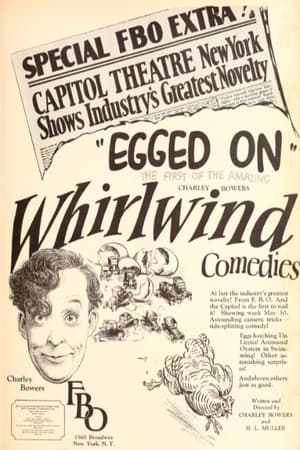
Charley invents a machine that turns ordinary, breakable eggs into rubbery, unbreakable ones for transport. He builds a Rube Goldberg contraption of parts stolen from his neighbors. Rival egg companies want his invention, one of them stooping to sabotage to get it.
Max Fleischer draws a clown, who comes alive on the page. The clown doesn't like the way he is drawn and demonstrates his own artistic abilities.