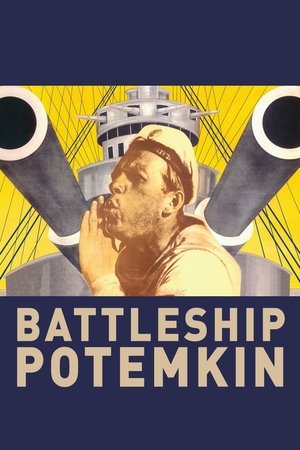
In the midst of the Russian Revolution of 1905, the crew of the battleship Potemkin revolt against the brutal, tyrannical regime of the vessel's officers. The resulting street demonstration in Odessa brings on a police massacre.
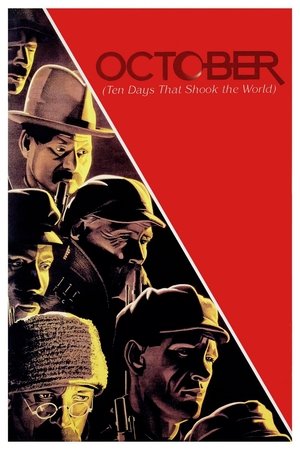
As the Russian monarchy crumbles, conflicts at Petrograd intensify, with Soviet hero V.I. Lenin leading the rebellion that overthrows the tsar's Winter Palace.
Arriving in St. Petersburg in search of work, a peasant unwittingly aids in the arrest of an old friend who is now a labour leader. The unemployed man is arrested and sent to fight in the Great War. After three years, he returns to rebel.
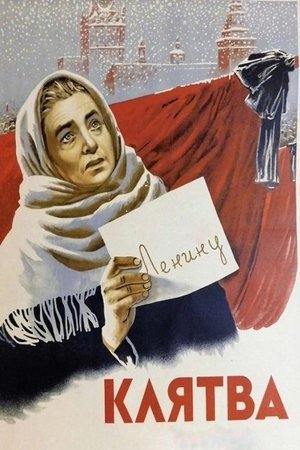
The story of Stalin and the Soviet people.
Young Soviet navy sailor Vanya Shorin misses his ship after meeting a girl at a funfair. They ride a carnival attraction called The Devil's Wheel, which triggers a series of events pulling the sailor into a dangerous criminal underworld before he finds the courage to return to his comrades.
A cameraman wanders around with a camera slung over his shoulder, documenting urban life with dazzling inventiveness.
Life is short and full of oppression, but that doesn't mean Parasha can't find love and laughter when she leaves her country home to take a job as a maid in the overcrowded, overworked, and underpaid world in the big city.
Promoting the joys of life in a Soviet village centering on the activities of the Young Pioneers. These children are constantly busy, pasting propaganda posters on walls, distributing hand bills, exhorting all to 'buy from the cooperative' as opposed to the Public Sector, promoting temperance, and helping poor widows. Experimental portions, projected in reverse, feature the un-slaughtering of a bull and the un-baking of bread.
A satiric comedy which dissects the iconography of the 'Soviet Hero'. Original footage of a propaganda film from 1941 is the starting point for this parody of the ideological cliches of Soviet cinema. It follows the story of a Russian crew across the North Pole.
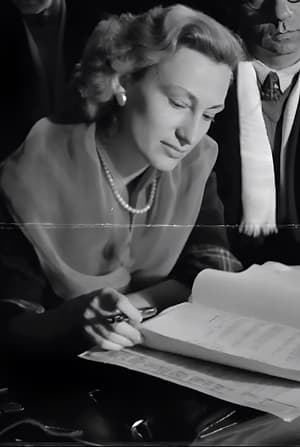
Made on the occasion of March 8, it presents a series of brief portraits of women, from various professional fields, of different ages and even of different ethnicities, pointing out the benefits that the communist organization had brought to their daily lives. A special emphasis is placed on their status as mothers and on the role of nurseries and socialist kindergartens not only in making their lives easier, but also in giving them the time they need to build a career. Another concern of the filmmaker, starting from the concrete case of one of the protagonists, is to highlight the differences between the happy present and the not-too-distant past in which someone with her social status should have dedicated herself exclusively to raising children, in hygienic and extremely difficult lives.
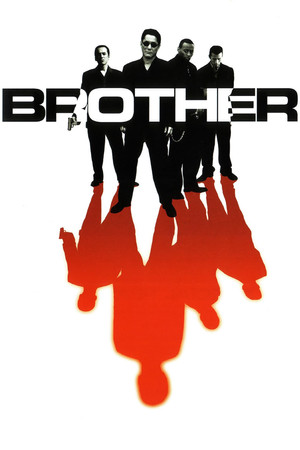
A Japanese Yakuza gangster's deadly existence in his homeland gets him exiled to Los Angeles, where he is taken in by his little brother and his brother's gang.
Seems like an ordinary trip to a remote beach. Four young women enjoy the warmth of the sun, the coolness of the sea and one another's company. None of them is "Winona"
Lilly convinces her best friend René to join her on a nocturnal trespassing adventure. The two young women break into a zoo and enter an idiosyncratic animal kingdom where the boundaries between fear and desire begin to blur.
Two withdrawn individuals constantly seeking human connection, role-play their first accidental encounters
Three brothers: Bob, Will and Charlie, all are in love with Mae. Bob, the eldest, is sullen and revengeful, and Mae is afraid of him. Will, the middle brother, is a happy-go-lucky boy with whom she falls in love, and Charlie, the youngest, sacrifices his own feelings for Will, who loves Charlie devotedly. Will and Mae are engaged. During his absence in the city, where he is trying to get a hold in business, so that he and Mae can marry, Bob makes violent love to his brother's fiancée. Charlie comes to her rescue. Learning of the episode, Will later has word sent home that he is dead, and Mae marries Charlie. Some time after this, Will cannot resist coming home to see his mother and Charlie, though he intends that Mae shall not know of his return. Before he can slip away, however, an incident occurs in which he is called upon to save Charlie's life. His presence and his heroism become known to Mae. The inference is that she had a good deal of a struggle to overcome vain regrets.
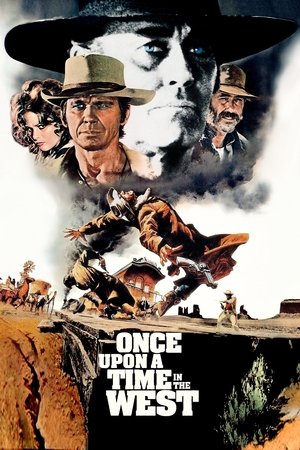
As the railroad builders advance unstoppably through the Arizona desert on their way to the sea, Jill arrives in the small town of Flagstone with the intention of starting a new life.
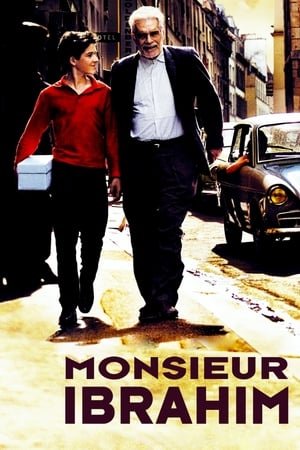
Paris, 1960s. Momo, a resolute and independent Jewish teenager who lives with his father, a sullen and depressed man, in a working-class neighborhood, develops a close friendship with Monsieur Ibrahim, an elderly Muslim who owns a small grocery store.
A quintet of cabbies in five cities and their remarkable fares on the same eventful night.
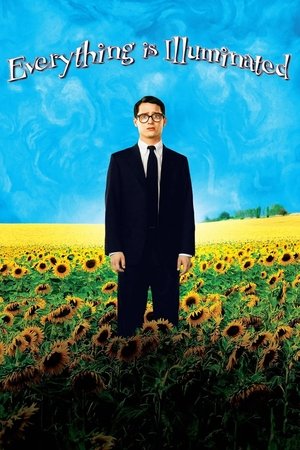
A young Jewish American man endeavors—with the help of eccentric, distant relatives—to find the woman who saved his grandfather during World War II—in a Ukrainian village which was ultimately razed by the Nazis.
Tobi and Achim, the pride of the local crew club, have been the best of friends for years and are convinced that nothing will ever stand in the way of their friendship. They look forward to the upcoming summer camp and the crew competition. Then the gay team from Berlin arrives and Tobi is totally confused. The evening before the races begin, the storm that breaks out is more than meteorological.