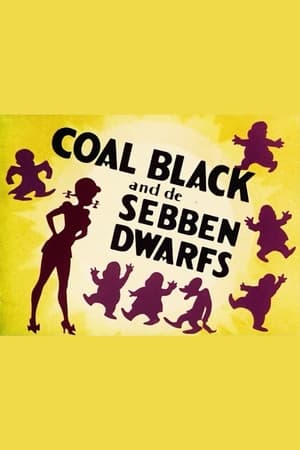
Spoof of Snow White and the Seven Dwarfs (1937) with an all-black cartoon cast. One of the “Censored 11” banned from TV syndication by United Artists in 1968 for racist stereotyping.

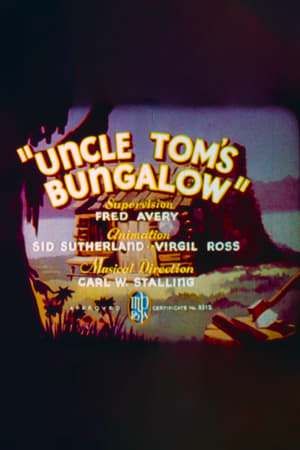
Warner Bros. cartoon parody of Uncle Tom's Cabin. One of the “Censored 11” banned from TV syndication by United Artists in 1968 for racist stereotyping.
Piggy and Fluffy, which is the ripoff of Mickey and Minnie, have adventures on a riverboat and Uncle Tom is chased by skeletons promising to take him to Hallelujah Land. One of the "Censored Eleven" banned from TV syndication by United Artists in 1968 for racist stereotyping.
A Black man sneaks out of church and tries to steal a chicken, but gets a taste of Hell when he's accidentally knocked unconscious. One of the "Censored 11" banned from TV syndication by United Artists in 1968 for racist stereotyping.
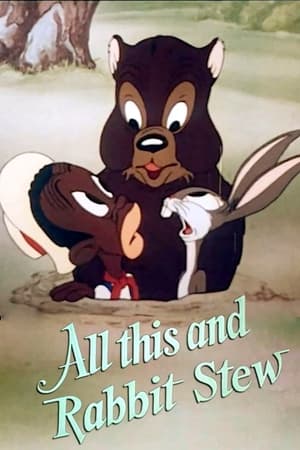
Bugs Bunny heckles a black hunter and escapes from a bear. One of the “Censored 11” banned from TV syndication by United Artists in 1968 for racist stereotyping.
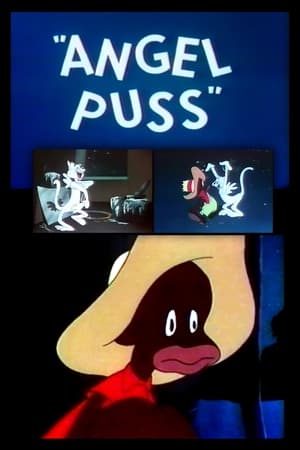
A little black boy is hired to kill a cat, but the feline escapes and proceeds to play tricks on the kid, pretending he's a ghost come back to haunt his "killer". One of the “Censored 11” banned from TV syndication by United Artists in 1968 for racist stereotyping.
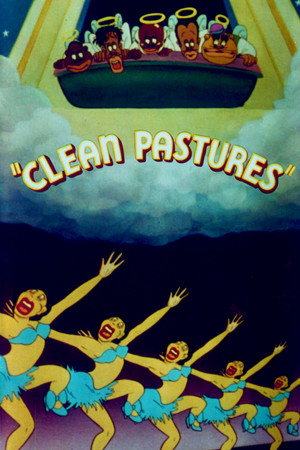
The Lord sees that the stock value of "Pair-o-dice" is dropping on the exchange so he dispatches a slow-witted and slow-talking angel to sinful Harlem to recruit new customers. When this fails, God finds success sending a group of musical angels with a little more swing in their style, so much so that even the Devil wants to join up! One of the “Censored 11” banned from TV syndication by United Artists in 1968 for racist stereotyping.
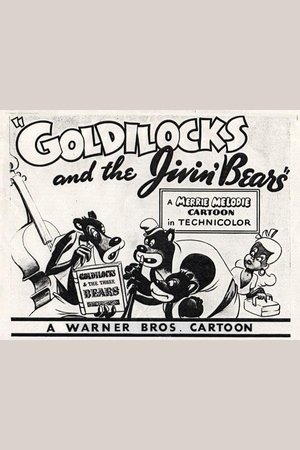
The stories of "Goldilocks" and "Little Red Riding Hood" collide with the world of jazz, resulting in three jiving bears and a jitterbugging Big Bad Wolf. One of the “Censored 11” banned from TV syndication by United Artists in 1968 for racist stereotyping.
Starts out with a tribe of African cannibals imitating Native Americans. After this, they do the new Warner Bros. Looney Tunes theme "The Merry-Go-Round Broke Down." Then a sloppy stuttering salesman knocks on their doors, and they bring him in and put him in a pot of boiling water. The queen of the tribe wants to see the man. She falls in love with him. They get married, but when the salesman sees he has to kiss the bride, he decides he'd be better off being dinner for a tribe of hungry cannibals. One of the “Censored 11” banned from TV syndication by United Artists in 1968 for racist stereotyping.
A jazz cartoon involving a "Fats Waller"-like cat who leaves the "Uncle Tomcat Mission" for the local jazz club. One of the “Censored 11” banned from TV syndication by United Artists in 1968 for racist stereotyping.
Velvet Underground's first public appearance.
Bluford H. Smythe, who has made it big in the big city, has returned to his small hometown of Glenwood after being away for twenty years. Accompanying him is his personal secretary, Ambrose Ames. Despite it being purely a vacation to get some rest and relaxation, the leading citizens of the town welcome him back with some official gatherings. Mayor Jonas Tompkins, who never liked Bluford, holds no grudges against him and too welcomes him with open arms. Although Bluford had no intention of making the news public, the townsfolk learn that he has indeed come back to do business, specifically develop a summer resort in Glenwood to rival that of the best summer resorts worldwide.
The city's mobile networks are down due to a solar flare, and Vasanth, an inventive youngster, tries to restore it. Mukil can save his lover only if he can get through to her over phone. Meanwhile, a terrorist will be able to activate the bomb he has planted in a taxi if Vasanth succeeds!