Based on the long running play by Jang Jin, the story is set in Korea during the Korean War in 1950. Soldiers from both the North and South, as well as an American pilot, find themselves in a secluded and naively idealistic village, its residents unaware of the outside world, including the war.
A look at the Korean War through the eyes of a mute boy who was kept as a mascot by a regiment of soldiers near the front lines.
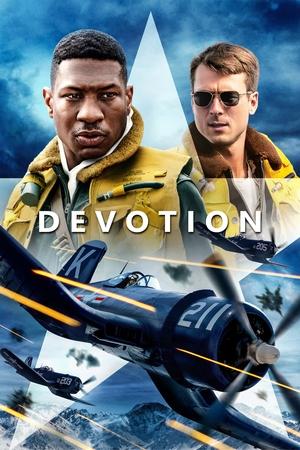
The harrowing true story of two elite US Navy fighter pilots during the Korean War. Their heroic sacrifices would ultimately make them the Navy's most celebrated wingmen.
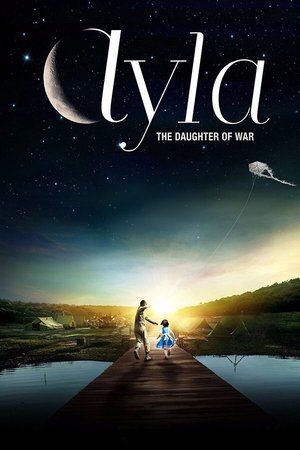
In 1950, amidst the ravages of the Korean War, Sergeant Süleyman stumbles upon a a half-frozen little girl, with no parents and no help in sight and he risks his own life to save her, smuggling her into his army base and out of harm’s way.
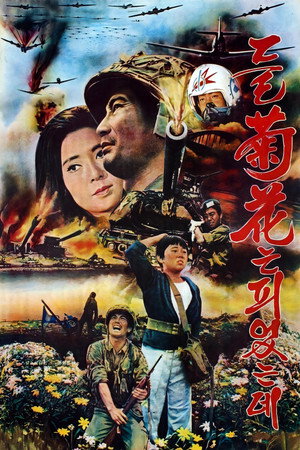
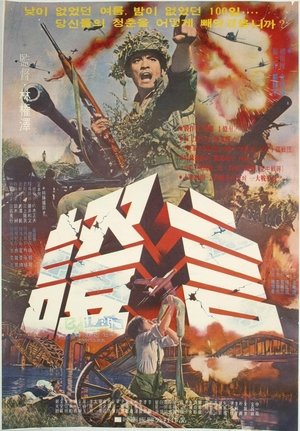
June 25, 1950. When second lieutenant Jang has a date with his girl friend during weekend, numerous North Korean jet fighters make sudden air raids to the skies of Seoul. It is the beginning of Korean War. In spite of Korean Army's brave defense, North Korean army reddens South Korea with their state-of-the-art weapons. This movie describes the progress of war from the invasion in June 25, 1950 to the reclamation of territory on the basis of Sun-A's personal experience. Also this film reminds hard lessons from tragic history.
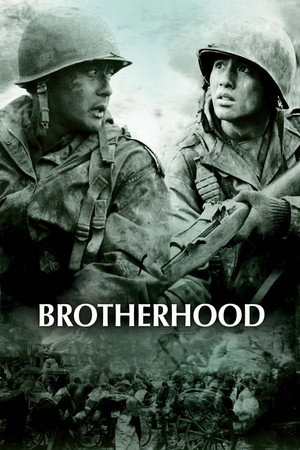
When two brothers are forced to fight in the Korean War, the elder decides to take the riskiest missions if it will help shield the younger from battle.
A cafe is growing, tucked in to the mountainside air raid shelter of the DMZ borderlands. A light light flickers, illuminating the past, present, and future. I'll see you at the DMZ! Shim was a free, one-day pop-up cafe staged in Yangji-ri village’s air raid shelter at the Korean DMZ. Referencing Korean cafe culture’s fixation on third place, the DMZ’s evolution from security tourism, to ecological peace tourism, and its repurposing as art production site, Shim attempts to intervene and align the past and present. Yangji-ri was one of many minbuk propaganda villages established by the Park Chung Hee regime in the 1960s to showcase the farming bounty and prosperity of the south for a North Korean gaze. The village was formerly part of the Civilian Control Line (CCL) until 2013 when it was reterritorialized as a normal part of South Korea.
Fighting Korea
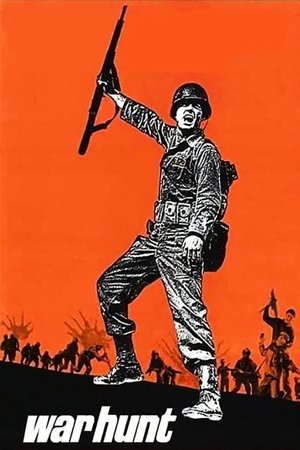
Dispatched to the front lines during the Korean War, an idealistic American soldier discovers the horrors of combat and comes at odds with a psychopathic member of his platoon.
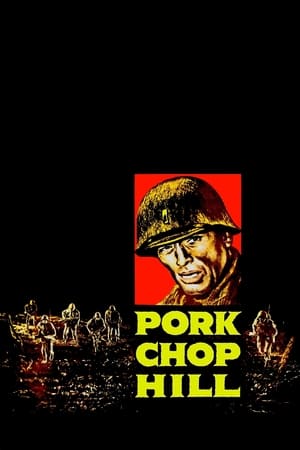
Korean War, April 1953. Lieutenant Clemons, leader of the King company of the United States Infantry, is ordered to recapture Pork Chop Hill, occupied by a powerful Chinese Army force, while, just seventy miles away, at nearby the village of Panmunjom, a tense cease-fire conference is celebrated.
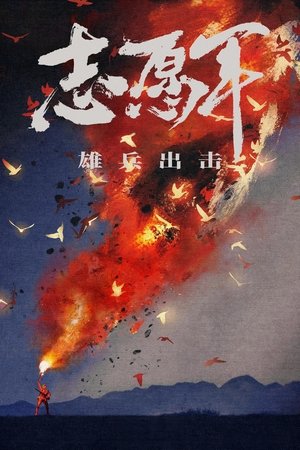
In the early days of the founding of the People's Republic of China in 1949, New China was faced with "internal and external troubles". Since the outbreak of the Korean Civil War, the U.S. military has repeatedly provoked the border between China and North Korea, and civilians have been brutally bombed. In order to maintain the hard-won peace and long-term stability for generations, in October 1950, the Chinese People's Volunteers entered North Korea, and the "Resist US Aid Korea" war kicked off.
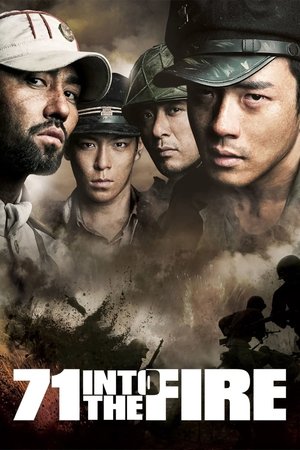
In August 1950, waiting for UN troops to arrive, the South Korean army assembled to protect Nakdong River. Only 71 student-soldiers are left behind to guard the city of Pohang. Now they are on a mission to defend the country from North Korean troops.
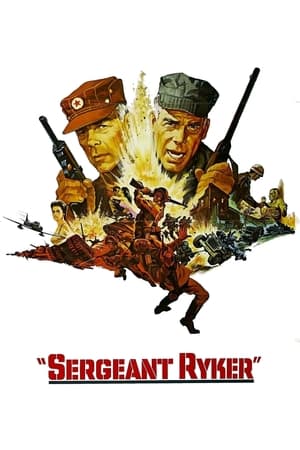
During the Korean War Sergeant Paul Ryker is accused of defecting to Communist China and then returning to his unit as a spy. He's court-martialed and sentenced to death but his attorney believes Ryker's innocent and asks for a new trial.
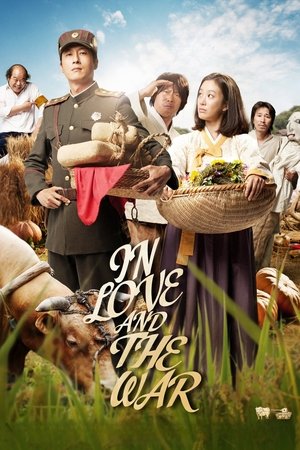
In June 1950, soon after the start of the Korean War, a troop of North Korean soldiers enter a small South Korean village. Captain Jeong-woong proclaims that they came to liberate the villagers but their true agenda is to ferret out the reactionaries. The villagers and Seol-hee, who is separated from her fiance on her wedding day, offer them heartfelt hospitality and cooperation to avoid falling out of the army's favor. Eventually friendships starts to build up between the soldiers and the villagers.
Four highly skilled fighters unite to take on a ruthless criminal gang, battling corruption, murder, and injustice in the wake of the Korean War.
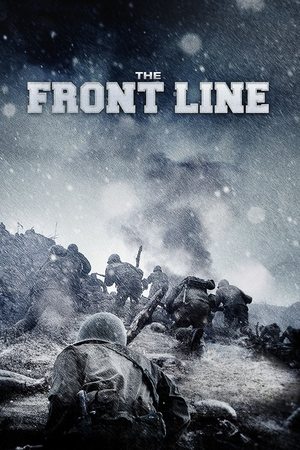
In 1951 ceasefire is declared, but two remaining armies fought their final battle on the front line Towards the end of the Korean War, a South Korean battalion is fiercely battling over a hill on the front line border against the North in order to capture a strategic point that would determine the new border between two nations. The ownership of this small patch of land would swap multiple times each day. Kang is dispatched to the front line in order to investigate the tacit case that’s been happening there.
During the Korean War, a troupe of traveling USO entertainers find themselves behind enemy lines with a squad of American soldiers. Together they try to find their way back to their own lines while trying to avoid capture, but the North Koreans discover their presence and set out after them.
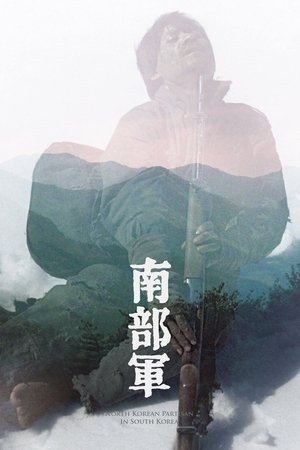
Reporter for a North Korean news service joins the partisans when the Americans and UN forces invade South Korea.
The trials and tribulations of a platoon of U.S. Marines, led by 1st Lt. Frank Davis, during the Korean War.
The movie focuses on the battle of Cheolwon, where the 63rd Army of the Chinese People's Volunteer Army (CPVA) was ordered to enter the battlefield of Cheolwon in May 1951, just after a month-long battle, to fight against four divisions of the United Nations Army (UNA). The volunteers fought with bloodshed and finally brought the enemy to the negotiation table.