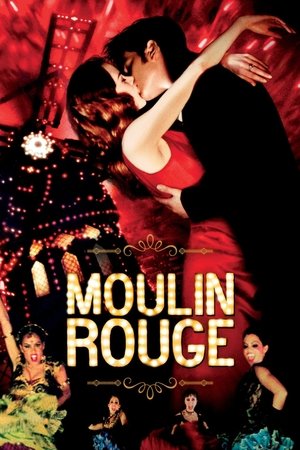
A drunken Scottish poet who has not written a word in years feels compelled to regain control of his life and work after meeting a beautiful young woman.
Decidme cómo es un árbol
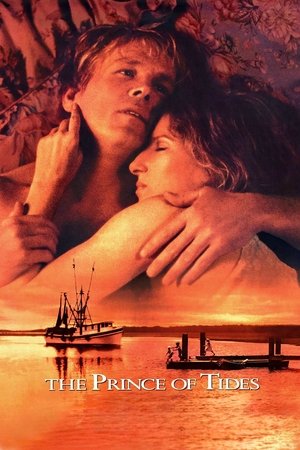
A troubled Southern man talks to his suicidal sister's psychiatrist about their family history and falls in love with her (and New York City) in the process.
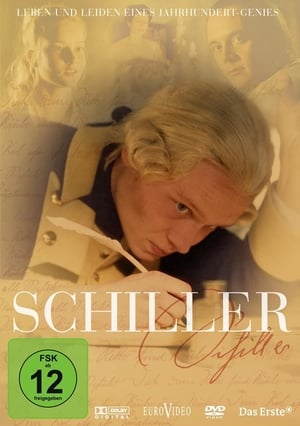
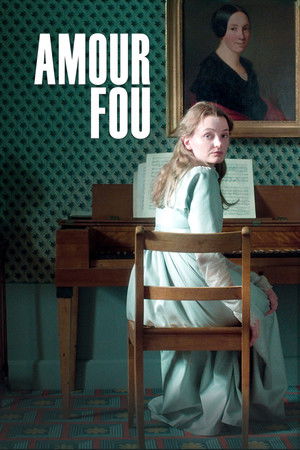
The young Friedrich Schiller begins his life as a poet with a dramatic escape. After the sensational success of his first drama "The Robbers", he deserts from the Duke's army. At the Mannheim Court and National Theatre, he initially receives a friendly reception, but his new play "Fiesko" is not well received by the artistic director Dalberg. In the successful actor and author August Wilhelm Iffland, Schiller finds a strong competitor for the position of in-house playwright and vies with him for the love of the same woman. The young poet's situation becomes increasingly precarious; he has no money, suffers from hunger and falls seriously ill. Nevertheless, he works feverishly for recognition and success with no regard for his own health.
Downtrodden writer Henry and distressed goddess Wanda aren't exactly husband and wife: they're wedded to their bar stools. But, they like each other's company—and Barfly captures their giddy, gin-soaked attempts to make a go of life on the skids.
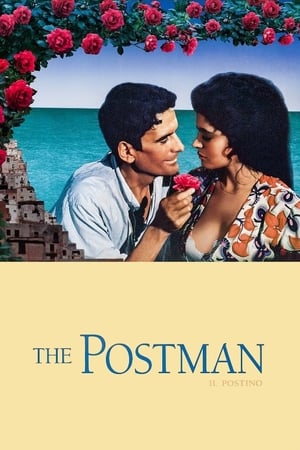
Love and injury in time of war. Attilio de Giovanni teaches poetry in Italy. He has a romantic soul, and women love him. But he is in love with Vittoria, and the love is unrequited. Every night he dreams of marrying her, in his boxer shorts and t-shirt, as Tom Waits sings. Vittoria travels to Iraq with her friend, Fuad, a poet; they are there with the second Gulf War breaks out. Vittoria is injured. Attilio must get to her side, and then, as war rages around him, he must find her the medical care she needs. In war, does love conquer all?
Trapped in routine, a Jeju poet finds himself drawn to a boy—and to emotions he’s never dared name.
An aspiring poet in 1950s New York has his ordered world shaken when he embarks on a week-long retreat to save his hell raising hero, Dylan Thomas.
A posthumous look at the last days of Guenther's life as he, his best friend, and his sister let loose on a four-day binge of alcohol, drugs, and sex.
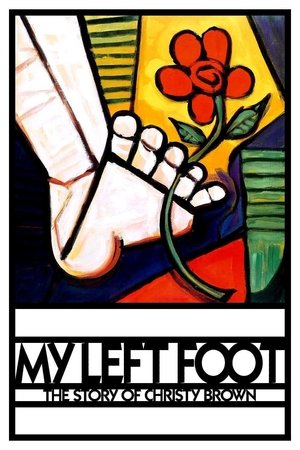
No one expects much from Christy Brown, a boy with cerebral palsy born into a working-class Irish family. Though Christy is a spastic quadriplegic and essentially paralyzed, a miraculous event occurs when, at the age of 5, he demonstrates control of his left foot by using chalk to scrawl a word on the floor. With the help of his steely mother — and no shortage of grit and determination — Christy overcomes his infirmity to become a painter, poet and author.
In the desolate countryside, haunted by recurrent dreams, a young drifter finds himself at the borderlands between the living and the dead.
1936. Giovanni Comini, the youngest Federal in Fascist Italy, is summoned to Rome for a delicate mission: to surveil aging national poet Gabriele D'Annunzio, whose increasingly restless behavior Mussolini fears could damage his alliance with Nazi Germany. However, after spending time with D'Annunzio, Comini finds himself torn between loyalty to the Party and his fascination with the poet, who will put his burgeoning career at risk.
The film tells the story of Pir Sultan Abdal, a famous folk poet in Turkey, who criticized some Ottoman governors, Hizir Pasha in particular and as a result was hung by him.
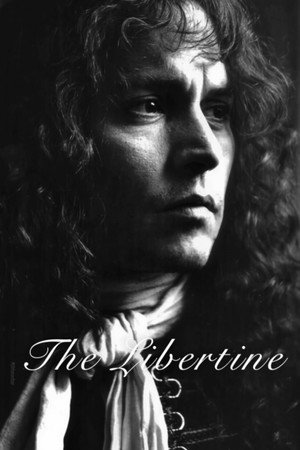
The story of John Wilmot, a.k.a. the Earl of Rochester, a 17th century poet who famously drank and debauched his way to an early grave, only to earn posthumous critical acclaim for his life's work.
Narcisus and Psyche is based on a novel by Sandor Weores which was adapted by Vilmos Csaplar and director Gabor Body for a feature-length film. Borrowing the character of Psyche from mythology and placing her in Europe in the 19th century, the authors give her a "modern" life. She is an attractive young woman - and remains so throughout the film, in spite of one hardship after another. Psyche is libidinous, and her prurient interests shock her staid contemporaries.
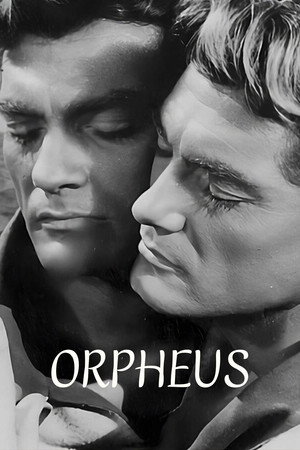
A famous poet in postwar Paris, scorned by the Left Bank youth, is in love with both his wife Eurydice and a mysterious princess. Seeking inspiration, the poet becomes obsessed and follows the princess from the world of the living to the land of the dead.
Biopic about legendary Turkmen philosopher and poet, Makhtoumkuli, who was also known as Fragi.
A man, Milan steps off a train, into a small French village. As he waits for the day when he will rob the town bank, he runs into an old retired poetry teacher named M. Manesquier. The two men strike up a strange friendship and explore the road not taken, each wanting to live the other's life.
Semi-fictitious biopic of Finnish poet Eino Leino, made with a large budget to celebrate the 100th anniversary of his birth. The film concentrates on his relationships with first wife Freya Schoultz and later muse, poetess L. Onerva. His friends include equally central figures of the Finnish cultural scene in the early 1900s, such as painters Halonen and Gallén-Kallela, and composer Sibelius.
A tv play about the Swedish poet Gustaf Fröding. Flashbacks from his life in a mental hospital.