Henri Serin (Jean-Pierre Marielle), an umbrella salesman, leads a quiet life between his work, his family and his passion for painting. During his many business trips, Henri indulges in a few amorous escapades, which provide a welcome change from the tiresome daily routine his bigoted wife locks him into. One fine day, Henri decides to drop everything and live on love and fresh water. He ends up in Pont-Aven, where he meets Émile, a local painter imitating Gauguin, with whom he shares his drinking and other feminine attractions.
A brash American gramophone salesman tries to get Emperor Franz Joseph's endorsement in turn-of-the-century Austria.
Traveling con artist Harold Hill targets the naïve residents of a small town in 1910s Iowa by posing as a boys' bandleader to raise money before he can skip town.
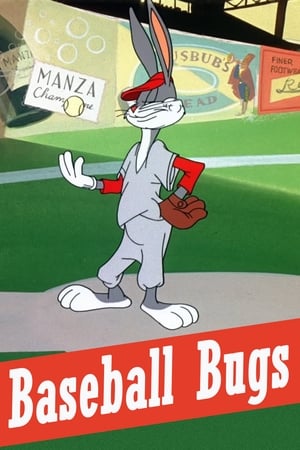
Bugs Bunny single handedly takes on the “Gas-House Gorillas,” a baseball team of hulking, cigar-chomping bullies.
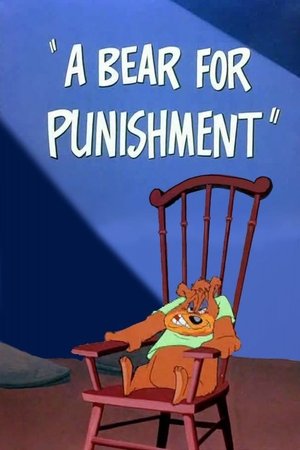
Junyer Bear has a number of surprises for Good Ol' Pa on Good Ol' Father's Day, whether he wants them or not.
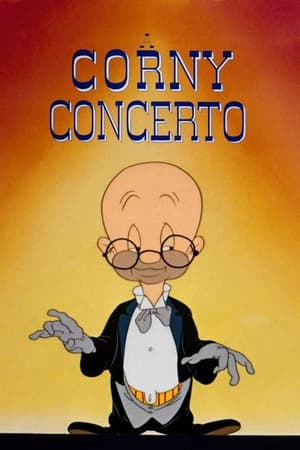
Elmer Fudd introduces two pieces of classical music: "Tales of the Vienna Woods" and "The Blue Danube", and acted out by Bugs Bunny, Porky Pig, Laramore the Hound Dog, a family of swans, and a juvenile Daffy Duck.
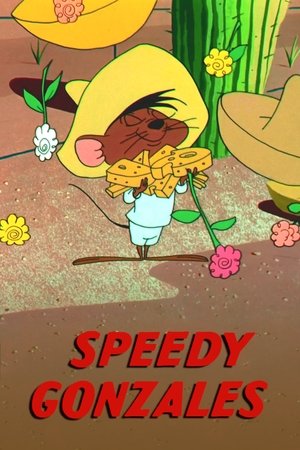
Speedy comes to the aid of a group of mice trying to get the cheese from a factory guarded by Sylvester.
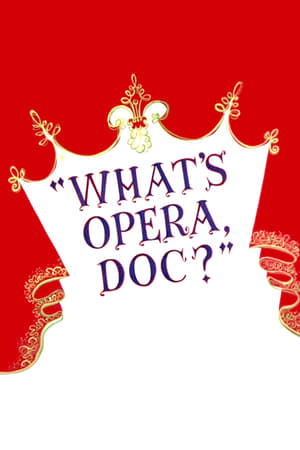
Elmer Fudd is again hunting rabbits - only this time it's an opera. Wagner's Siegfried with Elmer as the titular hero and Bugs as Brunnhilde. They sing, they dance, they eat the scenery.
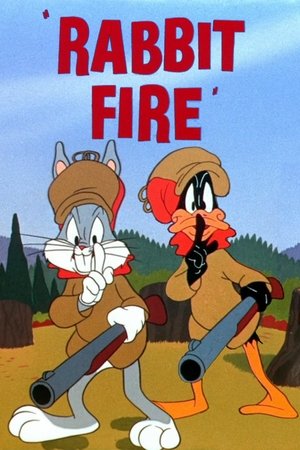
Daffy Duck and Bugs argue back and forth whether it is duck season or rabbit season. The object of their arguments is hunter Elmer Fudd.
Elmer Fudd is hunting both Daffy Duck and Bugs Bunny again.
Elmer Fudd expects to find "west and wewaxation" during his visit to Jellostone National Park, but he sets up camp in Bugs' backyard, and the rabbit (and a neighboring bear) definitely don't have leisure in mind.
Behind the Hollywood Bowl stage which is playing the opera The Barber of Seville, Bugs Bunny flees into the backstage area with Elmer Fudd in close pursuit. Seeing his opportunity to fight on his terms, Bugs raises the curtain on Elmer, trapping him on stage. As the orchestra begins playing, Bugs comes into play as the barber who is going to make sure that Elmer is going to get a grooming he will never forget.
Bugs' showbiz career is recounted from babyhood to stardom. Bugs and Elmer Fudd perform the title song.
The health conscious, dairy-farming Higgins family begin each day with an invigorating swim. One day, traveling health-tonic salesman, Windy Weebe, comes to town and suggests they could swim the English Channel. Sponsored by "Liquapep" and coached by Windy, the family arrive in Europe. There it is decided that daughter Katie is the only one strong enough to enter the contest. But while she should be focused on the difficult and risky task ahead, Katie is pursed by dashing Frenchman, André Lanet... This comedic musical is well remembered for the scene when Katie dreams she is swimming with cartoon characters Tom & Jerry!
An ambitious coffee salesman has a series of improbable and ironic adventures seemingly designed to challenge his naive idealism.
Mama Buzzard wants her children to learn to bring back meat for dinner. One buzzardling is shy and has to be kicked out of the nest. He's told to at least bring back a rabbit.
Bugs Bunny relates his early life in the Manhattan tenements and spotlights his encounter with a gang of canine toughs.
Bugs helps a penguin return home.
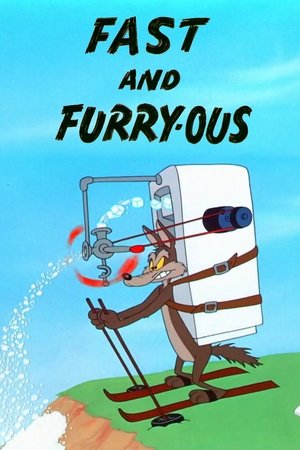
This was the debut for Wile E. Coyote and the Road Runner. It was also their only cartoon made in the 1940s. It set the template for the series, in which Wile E. Coyote (here given the ersatz Latin name Carnivorous Vulgaris) tries to catch Roadrunner (Accelleratii Incredibus) through many traps, plans and products, although in this first cartoon not all of the products are yet made by the Acme Corporation.
Baby-Faced Finster robs a bank, but the baby carriage with the money in it goes down Bugs' rabbit hole.