An 1895 British short black and white silent comedy film featuring two drunken men and a boy squabbling in a small bar.
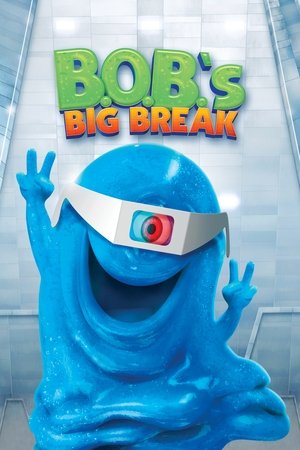
Dr. Cockroach comes up with a brilliant plan to break themselves out of Area 52 – but to implement the plan, he has to trick B.O.B. into thinking it’s his birthday.
A superstitious guy, Bien, seeks all sorts of “divine” signs that will determine his decision of asking the girl of his dreams out on a date. The fear of rejection swallows him whole, making him justify his cause to seek for more unfathomable signs. But when each sign he asks for materializes, he soon learns that he has to be careful with what he wishes.
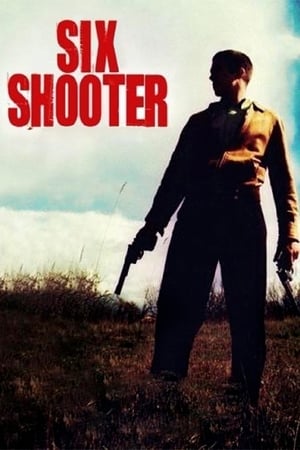
Overwhelmed by grief following the death of his wife, Donnelly shares a train carriage home with a troubled young man identified only as the 'Kid'. As the Kid becomes more agitated and foul-mouthed, the journey takes on a violent and dangerous hue – for the bereaved Donnelly and for other hapless passengers on the train. Academy Award Winner: Best Live Action Short Film – 2005
Eight-year old Aaron is dead set on winning the Grand Prize in his 2nd Grade declamation contest. He is determined to win despite his obvious “f” and “p” speech defect, a proclivity common amongst some Filipinos to interchange the pronunciation of English words with the letters “f” and “p”. His mother takes an active albeit humorous role in preparing him for the competition. This is a story of perseverance, family unity and the real meaning of triumph and possibly the “Rocky” of all declamation contests!
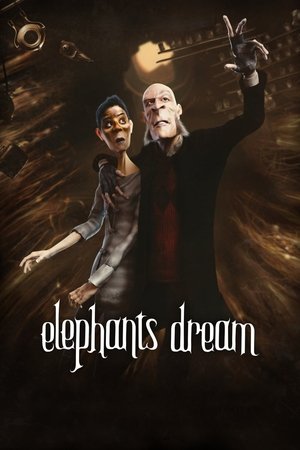
Elephants Dream is the story of two strange characters exploring a capricious and seemingly infinite machine. The elder, Proog, acts as a tour-guide and protector, happily showing off the sights and dangers of the machine to his initially curious but increasingly skeptical protege Emo. As their journey unfolds we discover signs that the machine is not all Proog thinks it is, and his guiding takes on a more desperate aspect. Elephants Dream is a story about communication and fiction, made purposefully open-ended as the world’s first 3D animated “Open movie”. The film itself is released under the Creative Commons license, along with the entirety of the production files used to make it (roughly 7 Gigabytes of data). The software used to make the movie is the free/open source animation suite Blender along with other open source software, thus allowing the movie to be remade, remixed and re-purposed with only a computer and the data on the DVD or download.
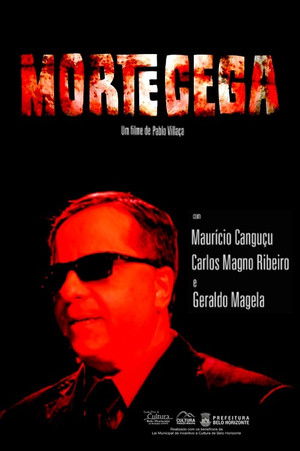
With script and direction by Pablo Villaça and starring the comedian Geraldo Magela, Morte Cega has as main character a failed filmmaker named Francis (Maurício Canguçu, producer and one of the main actors of the theatrical success "Believe, a Spirit Downloaded Me"). One night, Francis has a frightening dream about Magela, known throughout the country for playing the character O Ceguinho. Determined to make a short film based on this dream, Francis uses his producer friend, Martinho (Carlos Magno Ribeiro, who acted in Villaça's first short, A_ética), to get to the comedian. From then on, the meeting brings unexpected results for everyone involved.
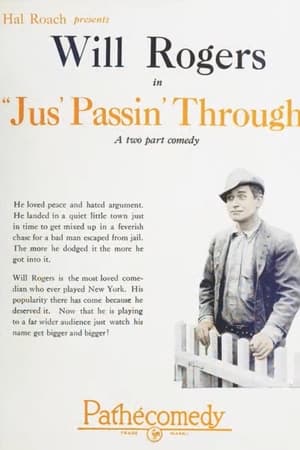
A tramp tries to earn money by playing the violin, but he’s soon facing off against the jealous competition.
At Thanksgiving, a tramp arrives in a homeless-hostile town.
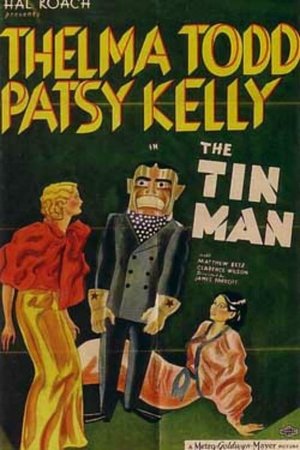
Thelma and Patsy find themselves in a spooky house inhabited by a nut who is a mechanical genius and has made a robot who does everything. The inventor manipulates the robot's control board from a hidden room. The girls are soon in a panic. Patsy gets into an argument with the robot and loses the match of wits. Blackie Burke, an escaped convict, is using the house as a hideout, and this adds to the problems the girls already have.
Enter Hamlet is a collage of images in cartoon form of a word put in balloon in each jump-cut scene as that word is said by the narrator Maurice Evans during his “To be or not to be…” soliloquy recording.
One of the two earliest horror films ever made. This film is presumed lost. In this black comedy scene, the bottom falls out of a coffin, the corpse tumble out, and is jolted back to life. Short sequences like this, as well as street scenes and dancing geisha girls were the main subjects of early Nippon cinema, pioneered by Shiro Asano and Shibata Tsunekichi from 1897 onwards. In creating dramatic, scenes, film-makers naturally chose the most striking or bizarre. Another undocumented film, recalled by cameraman Shiro Asano.
Believed to be the first film to feature cannibals.
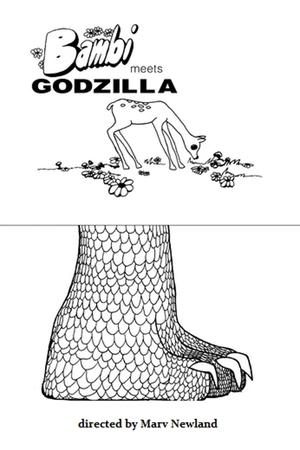
A deer, disillusioned by the consumerism that defines his life. A lizard, ostracized from society, forever wandering. A chance meeting in the middle of a field. Who will survive? And who will transcend existence? Preserved by the Academy Film Archive in 2009.
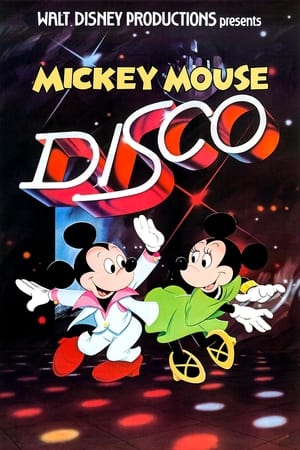
A clip-show music video for the album of the same name and vintage. Includes 5 songs from the album ("Mousetrap", "Disco Mickey Mouse", "Watch Out For Goofy", "Macho Duck", "Welcome To Rio").
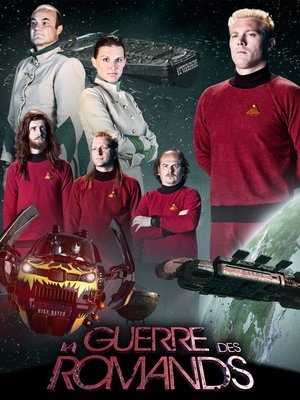
La Guerre des Romands
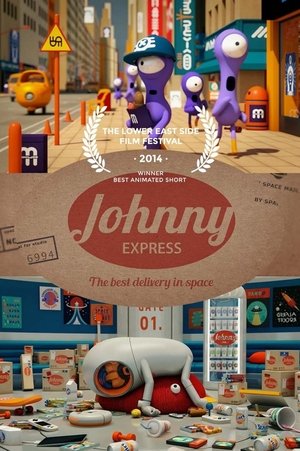
In the year 2150, Johnny, a lazy Space Delivery Man, must deliver a package on a planet he does not fully understand.
Fairground boxing booth where visitors try to knock out the champion and win five pounds, the first contestants is knocked out but the very eager (and possibly drunk) third man knocks out the champion and overcome with "boxing fever" rushes out punching at everybody and everything he meets. (britishpathe.com)
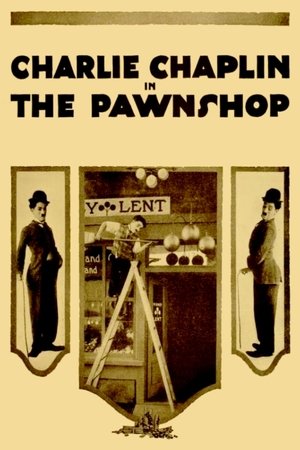
A pawnbroker's assistant deals with his grumpy boss, his annoying co-worker and some eccentric customers as he flirts with the pawnbroker's daughter, until a perfidious crook with bad intentions arrives at the pawnshop.
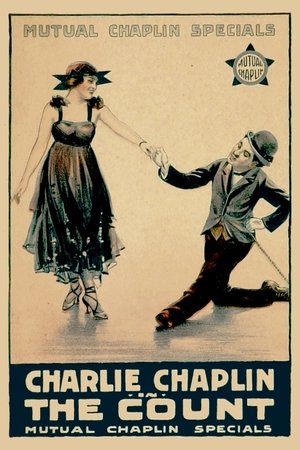
A tailor's apprentice burns Count Broko's clothes while ironing them and the tailor fires him. Later, the tailor discovers a note explaining that the count cannot attend a dance party, so he dresses as such to take his place; but the apprentice has also gone to the mansion where the party is celebrated and bumps into the tailor in disguise…