A youth group is preparing for what will be the summer of their life, including secrets, lies, sex, confusion, evenings and holidays.
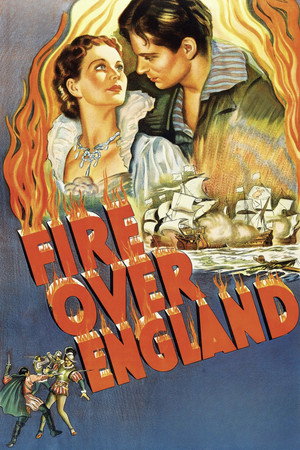
In 1588, relations between Spain and England are at the breaking point. With the support of Queen Elizabeth I, British sea raiders such as Sir Francis Drake regularly capture Spanish merchantmen, bringing gold from the New World.
A woman who lives in Spain has trouble convincing anybody that a complete stranger has taken her dead brother's identity.
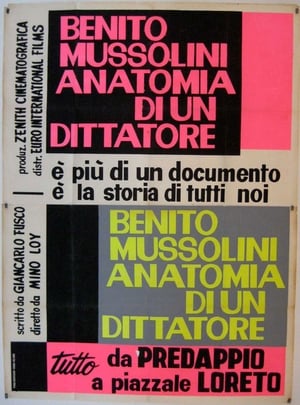
Benito Mussolini: Anatomy of a Dictator
On her way to a new home in a new country, young Arabella fears that her childhood will be forgotten… but after finding a carefree friend in Inge, she comes to learn that maybe moving on doesn’t always mean forgetting.
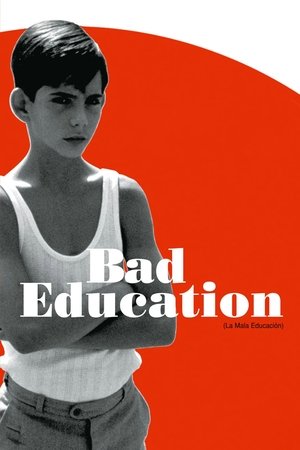
When an old friend brings filmmaker Enrique Goded a semi-autobiographical script chronicling their adolescence, Enrique is forced to relive his youth spent at a Catholic boarding school. Weaving through past and present, the script follows a transvestite performer who reconnects with a grade school sweetheart. Spurred on by this chance encounter, the character reflects on her childhood sexual victimization and the trauma of closeting her sexual orientation.
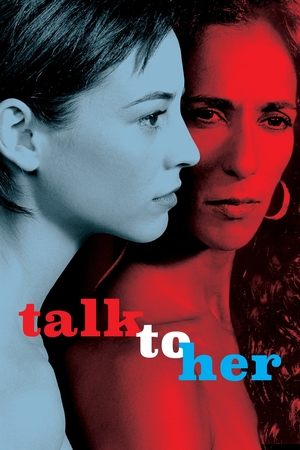
Two men share an odd friendship while they care for two women who are both in deep comas.
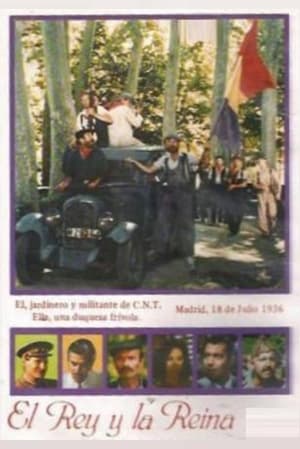
El rey y la reina
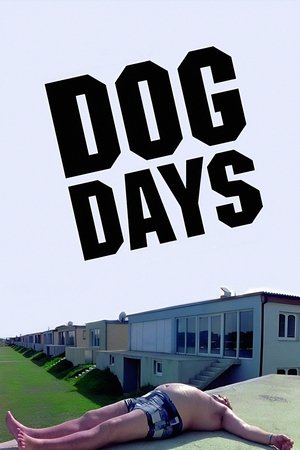
Vignettes of the lives of several residents of a Vienna suburb during a heat wave.
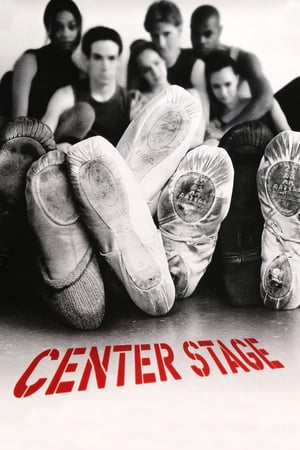
A group of 12 teenagers from various backgrounds enroll at the American Ballet Academy in New York to make it as ballet dancers and each one deals with the problems and stress of training and getting ahead in the world of dance.
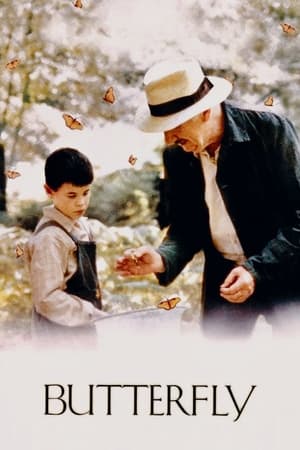
The film centres on Moncho and his coming-of-age experience in Galicia in 1936. Moncho develops a close relationship with his teacher Don Gregorio who introduces the boy to different things in the world. While the story centres on Moncho's ordinary coming-of-age experiences, tensions related to the looming Spanish Civil War periodically interrupt Moncho's personal growth and daily life.
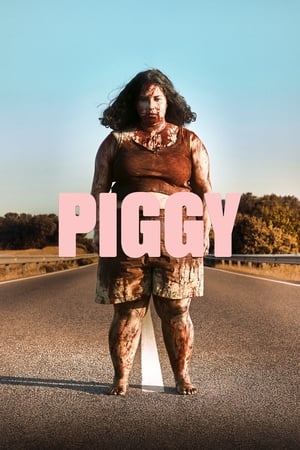
A bullied overweight teenager sees a glimpse of hope when her tormentors are brutally abducted by a mesmerizing stranger.
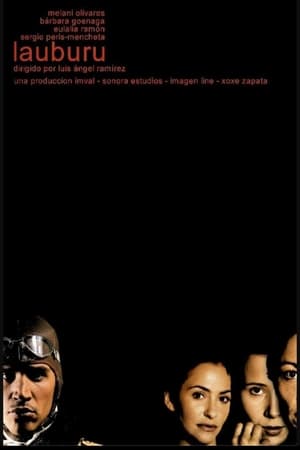
Guernika, year 1937. The city is savagely bombed from the air by a battalion of fascist troops. During the bombardment, Republican artillery shoots down an Italian plane. The pilot manages to parachute very close to a village inhabited by three women. Badly wounded on the ground, he is going to be finished off by one of them, Ikerne. This one, however, feels disturbed by the man's presence, and in a purely impulsive act she decides to take him to the house's barn. The presence of the man in the house reveals the lethargic desire of the three women. But it will also bring out the small conflicts and contradictions that the harsh survival conditions in the house have generated. The solution finds its way between desire for man and hatred for the enemy.
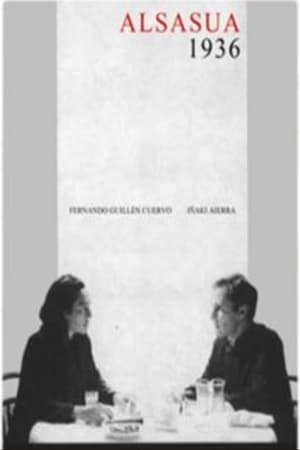
Based on the life of Marino Ayerra, who was appointed as parson priest of Alsasua (Navarra) two days before the start of the Spanish Civil War.
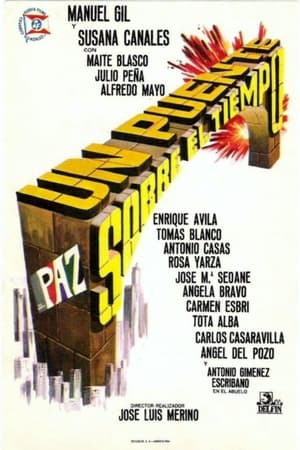
Javier López Cronwell, journalist, son of an American and a Spaniard, comes to Spain to write a series of anti-communist articles. The boy is politically neutral and emotionally and personally cold. He comes into contact with his paternal grandfather and the friends of his father, who died in our Liberation War, who propose that he take the provisional ensigns as a topic for his article. He prepares his return to North America without waiting to see the 25th anniversary Victory Parade, despite the wishes of his father's friends, old ensigns who will parade to show the world that they are still in the breach.
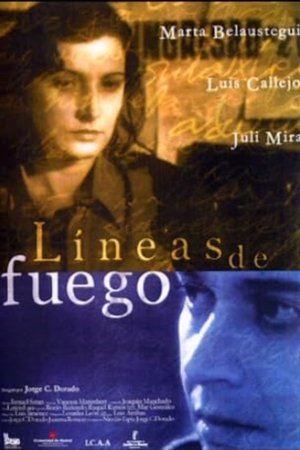
Love story during the Spanish civil war in a psychiatric hospital.
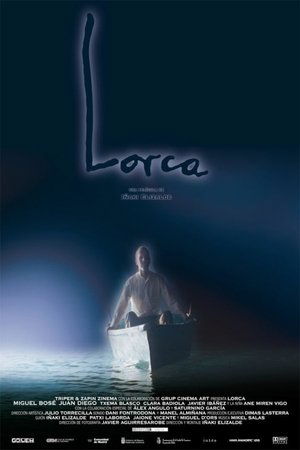
In the last four days of his life, fear took over the figure of the poet Federico García Lorca.
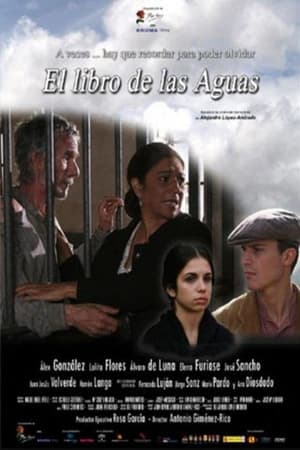
Ángel Pedrosa (Álex González, Fernando Luján) returns to Bruma (Córdoba), his hometown, from where he had to flee during the Civil War. He returns to reconstruct his family's history, to forgive himself, and to remember others. Ángel stitches together the fragments of his life during Spain in the second half of 1939. His first love, the hatred of the post-war period, the intolerance and the passages he went through until he had to flee, hastily, out of his homeland to not return until many years later.
During the early moments of the Spanish Civil War, in a spanish village, Isidoro lives with his father Lucas and his horse Coco. Isidoro witnesses how his father, torn apart by their debts, wages his frustration upon Coco.
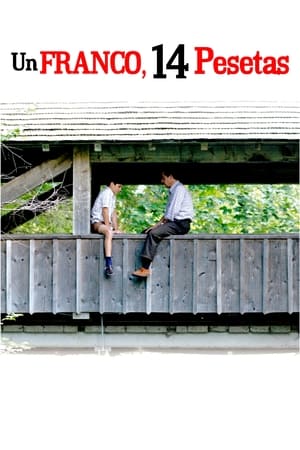
In 1960, Martín and Marcos are forced by their difficult personal circumstances to travel to Switzerland in search of work, leaving their families in the Madrid of Franco's Spain. But they undertake more than a simple journey; they begin the road to a new life.