The emblematic festival Jazz à Vienne welcomes each year more than 200 000 festival-goers and 1000 artists. This documentary retraces the history and relives the highlights of the festival, since its creation in 1981 by Jean-Paul Boutellier, Jean Gueffier, Pierre Domeyne, Jean-Pierre Vignola and George Wein. The greatest jazz musicians have performed there, such as Miles Davis, Michel Petrucciani, Ella Fitzgerald, Sonny Rollins, Lionel Hampton, Dee Dee Bridgewater, Herbie Hancock, Chet Baker, Dizzy Gillespie. So much so that in four decades, Jazz à Vienne has become one of the most important jazz festivals in the world, open to all styles.
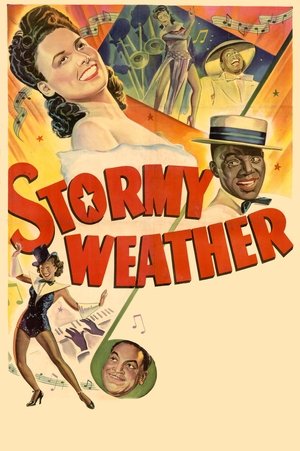
The relationship between an aspiring dancer and a popular songstress provides a retrospective of the great African-American entertainers of the early 1900s.
In 1960, American dancer and actor Gene Kelly created for the Paris Opera Ballet an original choreography that was highly acclaimed at the time, yet rarely performed thereafter; a genius work that the Scottish Ballet, accompanied by the stirring and evocative score by composer and pianist George Gershwin, epitome of orchestral jazz, brings back to life sixty years later.
An exploration of the life and music of Miles Davis.
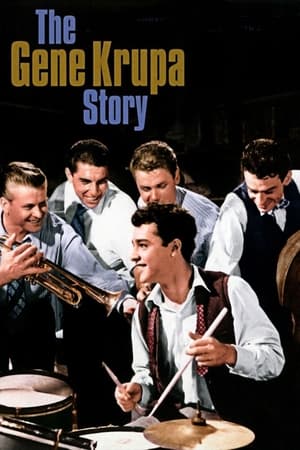
The story of legendary jazz drummer, Gene Krupa. Since his youth, all Gene ever wanted to do is play the drums and make music. This is something his parents would not approve of- they want him to be a priest. When Gene's father dies he promises to enter the priesthood. He soon realizes that he doesn't belong there and leaves to join his friend, Eddie's band. Ethel, Eddie's girlfriend, convinces Gene to go to New York and make it big. The 3 of them head to New York. Here Ethel and Gene soon fall in love and Gene makes a name for himself. Gene starts to live in the fast lane, with drugs, alcohol, women and parties. Ethel, unhappy with Gene's lifestyle, leaves him. Gene soon "hits rock bottom" where he has to face reality and choose where to take his life.
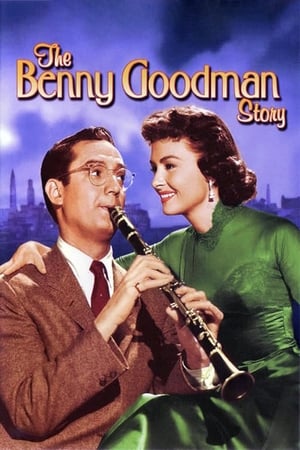
Young Benny Goodman is taught clarinet by a music professor. He is advised to play whichever kind of music he likes best, but to make a living, Benny begins by joining the Ben Pollack traveling band.
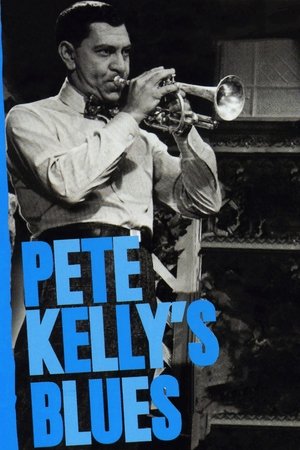
In 1927, a Kansas City, Missouri cornet player and his band perform nightly at a seedy speakeasy until a racketeer tries to extort them in exchange for protection.
A principal musician in Count Basie's orchestra for years, legendary jazz trumpeter Buck Clayton performs with two small groups in this pair of superb concerts filmed live in London and Brussels, Belgium, in the 1960s. Other musicians joining Clayton include Jimmy Witherspoon, Vic Dickenson, Earle Warren and Humphrey Lyttelton. Songs are "Stompin' at the Savoy," "Night Train," "Jeepers Creepers," "Swinging at the Copper Rail" and many more.
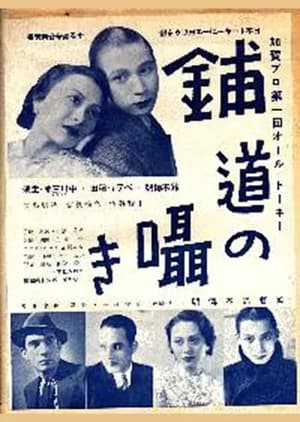
Inada plays Betty Yoshida, a singer and dancer from America who arrives in Japan to go on tour, only to be swindled by scheming managers. Penniless and cast to the streets, Betty is taken in by Oki (Nakagawa), a talented tap dancer who introduces her to a group of struggling musicians living and working together.
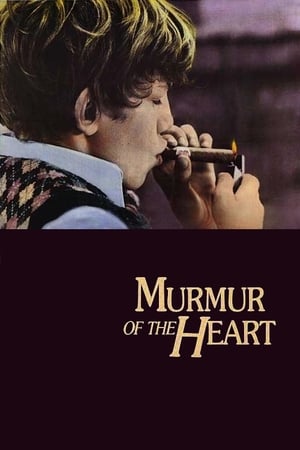
This loosely plotted coming-of-age tale follows the life of 15-year-old Laurent Chevalier as he stumbles his way over the burgeoning swell of adolescence in 1950s France. After having his first sexual experience with a prostitute and dodging the lips of a priest, Chevalier contracts a case of scarlet fever. When the fever leaves him with a heart murmur, Chevalier is placed in a sanatorium, along with his over-attentive and adulterous mother.
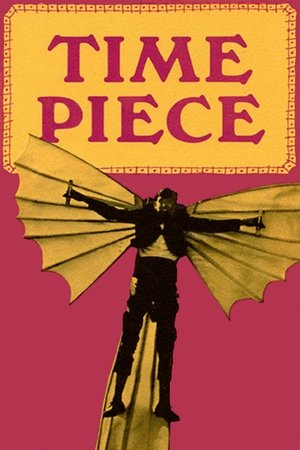
Dislocation in time, time signatures, time as a philosophical concept, and slavery to time are some of the themes touched upon in this 9-minute experimental film, which was written, directed, and produced by Jim Henson. Screened for the first time at the Museum of Modern Art in May of 1965, "Time Piece" enjoyed an eighteen-month run at one Manhattan movie theater and was nominated for an Academy Award for Outstanding Short Subject.
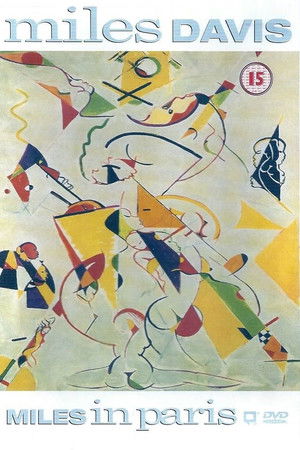
Recorded during the 10th Paris Jazz Festival - 3rd November, 1989 at Le Zenith, Paris, France, with Kenny Garrett, Kei Akagi, Joe "Foley" McCreary, Benny Rietveld, Ricky Wellman, and John Bigham. Also includes interviews with Miles.
This Emmy-nominated TV special highlights rare performance footage filmed between 1968 and 1969 at various US venues and locations, including the Westbury Music Fair, The Village Gate, and RCA Studios in New York City. Also featured are candid and personal interviews with Nina herself, revealing her unique views on music and life -- all expressed with her trademark intensity.
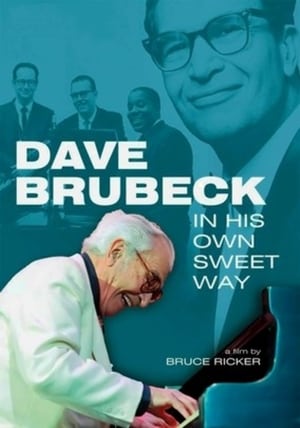
A chronological look at the life and career of jazz musician, composer, and performer Dave Brubeck (1920-2012 ), presented through contemporary interviews, archival footage of interviews and performances, and commentary by family, fellow musicians, and aficionados. Emphases include his mother's influence, his wife's invention of college tours, his skill as an accompanist, the great quartet (with Desmond, Morello, and Wright), his ability to find musical ideas everywhere, his orchestral compositions, his religious conversion, and his unflagging sweet nature.
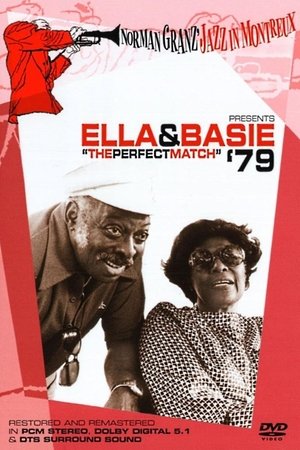
The two musical masters swing out.
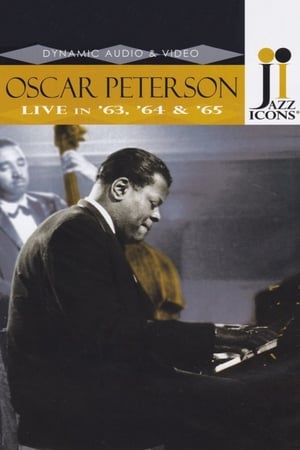
Oscar Peterson is accompanied by the stellar duo of bassist Ray Brown and drummer Ed Thigpen for each concert performance. This is the classic Oscar Peterson Trio, considered by many to be the best Oscar Peterson Band ever. Oscar and the trio collaborate with trumpeters Clark Terry (Finland'65) and Roy Eldridge (Sweden'63) and re-create some of the excitement and fun of the Jazz at the Philharmonic (JATP) tours. Among the many highlights in this collection are the Oscar and vocalist-trumpeter Clark Terry collaboration on the ever-popular Mumbles ,and for the first time on commercial video, an Oscar Peterson Trio rendition of Tonight from his award-winning West Side Story album.
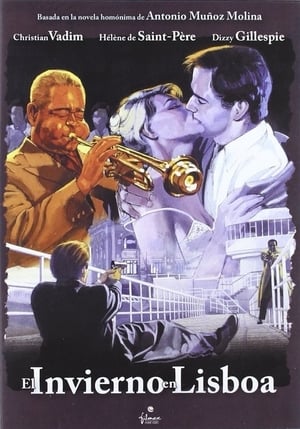
Jim is the drummer for the great black musician Billy Swann. With him, he plays in a club called San Sebastián, owned by his friend Floro, every summer.
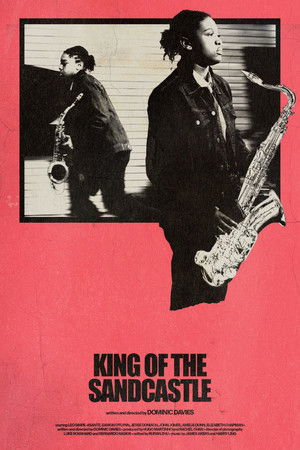
A control-obsessed saxophonist must embrace uncertainty when he learns that a career-defining audition will be assessed on his ability to improvise.
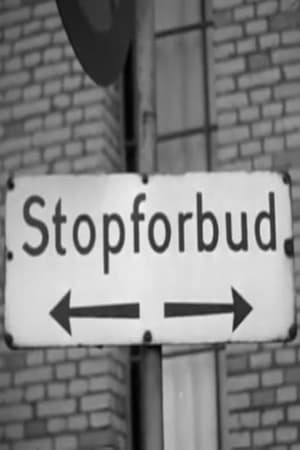
Stop for Bud is Jørgen Leth's first film and the first in his long collaboration with Ole John. […] they wanted to "blow up cinematic conventions and invent cinematic language from scratch". The jazz pianist Bud Powell moves around Copenhagen -- through King's Garden, along the quay at Kalkbrænderihavnen, across a waste dump. […] Bud is alone, accompanied only by his music. […] Image and sound are two different things -- that's Leth's and John's principle. Dexter Gordon, the narrator, tells stories about Powell's famous left hand. In an obituary for Powell, dated 3 August 1966, Leth wrote: "He quite willingly, or better still, unresistingly, mechanically, let himself be directed. The film attempts to depict his strange duality about his surroundings. His touch on the keys was like he was burning his fingers -- that's what it looked like, and that's how it sounded. But outside his playing, and often right in the middle of it, too, he was simply gone, not there."
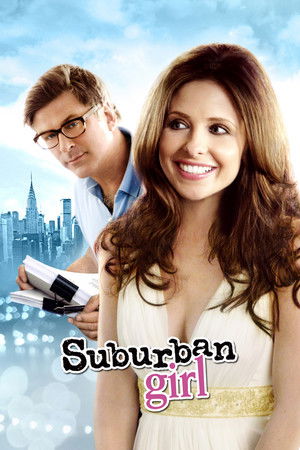
Publishing assistant Brett Eisenberg wants to be a big-time editor. However, she lacks self-confidence, a problem that isn't helped by her new, overbearing boss. Brett soon enters into a relationship with Archie, an older man who has plenty of his own issues, including alcoholism, diabetes and a difficult relationship with his daughter. Intent on helping Archie get past his problems, she turns to her dying father for advice.