He was the most prolific within the New Portuguese Cinema generation. He would try western spaghetti, esoteric allegory, supernatural, and science-fiction. Without state subsidies, he would quit filmmaking in the 1990s. Who remembers António de Macedo?
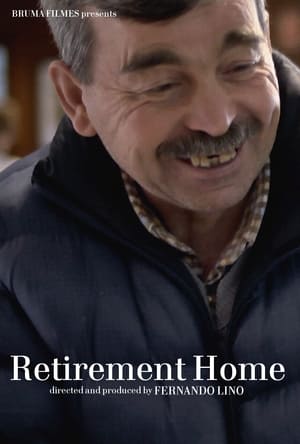
Regresso à casa de partida antes que a partida seja definitiva
Três Realizadoras Portuguesas
Francisco Esteves, an elevator technician, lives between routine and a quiet passion for art. Inspired by the music of The Doors, he reflects on the paths not taken and the dreams that still drive him, in a constant search for meaning and freedom.
River Lis runs polluted through Leiria. It's been 50 years since the first pig farm was installed in the region. Since then, people have lived with the consequences of countless crimes against the environment and a shocking lack of justice. The children that remember when the water was clean, now grandparents, share their story of resistance and fight against pollution.
Tongóbriga (El espíritu de un lugar)
Short film narrating the luxuries of Madeira.
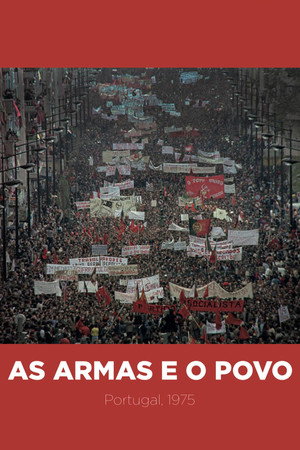
Documentary on the Portugese Carnation Revolution and the following processes of self-organisation in military, factories, argicultural cooperatives and municipalities.
A Aldeia mais Portuguesa de Portugal
An old hostel, located in the center of Porto, served for many years as a hostel for people with few possessions, prostitutes and people passing through who made that place a more or less prolonged residence.
A hundred letters written by Portuguese women during the Salazar dictatorship were found by chance in a second-hand bookshop. By confronting today the women who wrote these letters with the ghosts of the past, and revealing important archive material, Letters to a Dictatorship takes us on an in-depth journey through the obscurantism that dominated Portugal for more than 50 years.
A showcase of bullfighting in Portugal, explaining how the country's version of the sport differs from those in Spain and Latin America and helps define the national character. After showing the training techniques for the bulls and horses, a bullfight is presented.
“In a meeting between history and the present, this docufiction takes us on a unique journey through the Ria de Aveiro, through the curious eyes of a child who discovers, for the first time, the Vouga Class boats. Guided by an adult, a symbol of the generations that preserve this centuries-old tradition, the child enters a world of memories, knowledge and traditions that resist the test of time. Between workshops and shipyards, conversations with master builders and walks along the waters of the estuary, the story unfolds like a bridge between generations. This docufiction interweaves reality and fiction, testimonies and dramatization, showing how cultural heritage is transmitted, not only through words, but through lived experiences. More than telling the story of the Vougas, this film celebrates those who keep them alive, and those who will one day carry them forward.”
A behind-the-scenes look at "Viagens", one of the greatest portuguese records of the 1990s, in the year of its 20th anniversary.
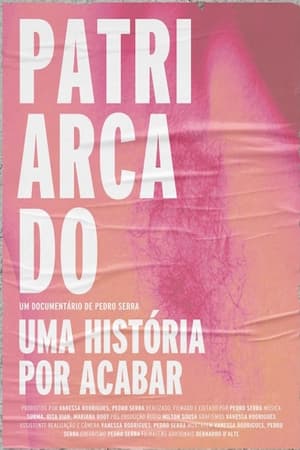
A documentary that brings together interviews with 20 activists who address the issue of intersectional feminism and patriarchy in Portugal.
Film directors with hand-held cameras went to the streets of Lisbon from April 25 to May 1, 1974, registering interviews and political events of the Portuguese "Carnation Revolution", as that period would be later known.
10 de julho
After the Carnation Revolution, Portugal became a democracy and opened itself to the world. One of its consequences was the spread of erotic and pornographic films. This documentary tells the story of how these films arrived at Theatro Gil Vicente, an emblematic cultural venue of Barcelos.
About the Portuguese author José Saramago, based on a long interview with the writer at his home on the island of Lanzarote, in which he analyzes his work and shares his reflection on some aspects of his personal life.
Baptismo de Terra