Two-time Olympian and World Champion, the legendary Randy Gardner, explores his true identity through figure skating and his one man show. With his skating partner of over fifty years, Tai Babilonia, the pair experienced the heights of worldwide glory and devastating personal tragedy. Now that the intense glare of the public spotlight softens, he is free to finally reveal his untold magical and meaningful journey... on and off the ice.
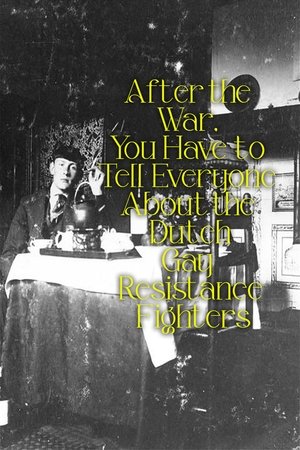
Many members of the Dutch Underground were gay and lesbian. This film pays homage to them and recounts their story.
Black Mold Exposure explores the bizarre illnesses associated with exposure to toxic mold and the film participants' difficult task of regaining their health and lives in an atmosphere of political and social intolerance and disbelief. Black Mold Exposure is a first-ever look into the lives of those claiming to be ill from mold and the controversial and volatile climate surrounding it.
Through testimonies and images, the crude reality of human rights in Argentina in democracy is portrayed and the role of the hegemonic means of communication to make causes and protests invisible ...
In Córdoba, far from the Argentine capital, the end of a military regime promises a spring that is all too brief. “La Delpi” is the only survivor of a group of friends who are transgender women and drag-queens, who began to die of aids in the late 80s. In a Catholic and conservative city, the Grupo Kalas made their weapons and trenches out of improvised dresses and lip-syncing. Today the images of unique and unknown footage are not only a farewell letter, but a manifesto to friendship.
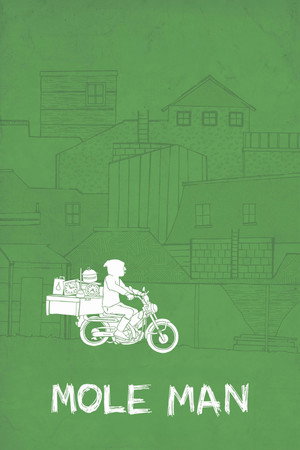
MOLE MAN follows RON, a 66-year-old autistic man who has spent the last five decades building a 50-room structure in his parents' backyard. Using no nails or mortar, Ron instead creates perfectly balanced structures from scavenged materials he finds in the woods outside his Western Pennsylvania home. When Ron's father passes away, leaving him living alone with his 90-year-old mother, Ron's siblings are left to figure out what's best for Ron - who has never been officially diagnosed with autism - when his mother can no longer care for him. In an effort to find the money to keep Ron in his home, his friends team up in search of a mythical mansion Ron insists lays abandoned in the forest. But will they be able to find it? And, more importantly, does it even exist? This is the story of an extraordinary life, a family, and the beauty of thinking differently.
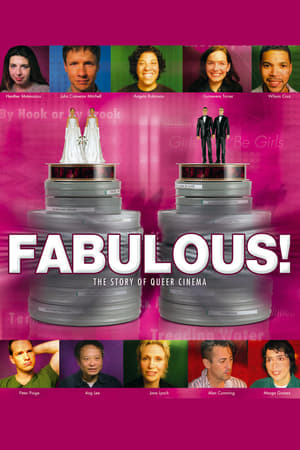
A chronological look at films by, for, or about gays and lesbians in the United States, from 1947 to 2005, Kenneth Anger's "Fireworks" to "Brokeback Mountain". Talking heads, anchored by critic and scholar B. Ruby Rich, are interspersed with an advancing timeline and with clips from two dozen films. The narrative groups the pictures around various firsts, movements, and triumphs: experimental films, indie films, sex on screen, outlaw culture and bad guys, lesbian lovers, films about AIDS and dying, emergence of romantic comedy, transgender films, films about diversity and various cultures, documentaries and then mainstream Hollywood drama. What might come next?
A genre-bending documentary using dance and physicality to explore themes of youthfulness, fear, regret and aging. The star of the show is New York. The perspectives of elderly citizens of NYC are interpreted physically by a younger generation. The words come from real-life interviews recorded with a diverse selection of aging New Yorkers.
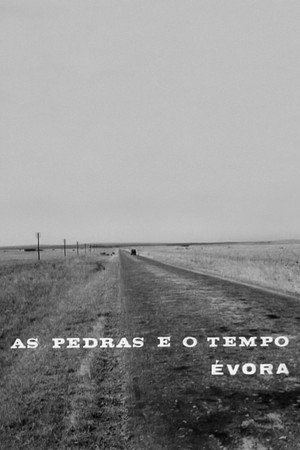
Documentary short film on the city of Évora, Portugal. Usually regarded as the first film of the Portuguese New Wave.
On 29 March 2014 same-sex marriage became legal in England and Wales. Take a front row seat at one of the first gay weddings which will be an extraordinary ceremony in more ways than one - it's a musical.Grooms Benjamin Till and Nathan Taylor have written and staged their entire wedding as a musical – with sung vows, sung readings, a singing registrar and show-stopping ensembles featuring the whole congregation of family, friends and special guests. Even the grooms’ mums sing a heartfelt duet.
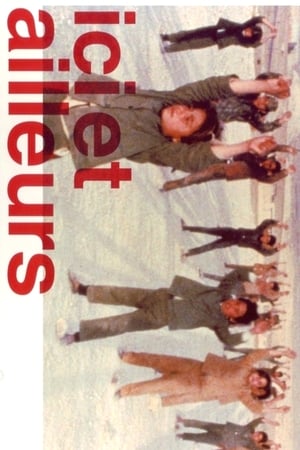
Here and Elsewhere takes its name from the contrasting footage it shows of the fedayeen and of a French family watching television at home. Originally shot by the Dziga Vertov Group as a film on Palestinian freedom fighters, Godard later reworked the material alongside Anne-Marie Miéville.
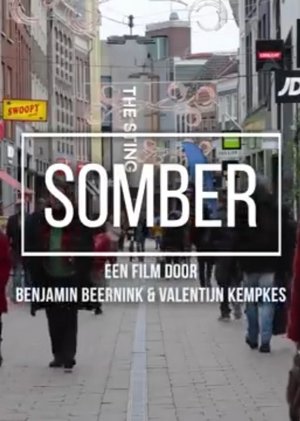
Somber tells the story of three depressed young people, all three in a different phase of the disease. What does depression do to a person? What does it actually mean? And above all, is there a way out?
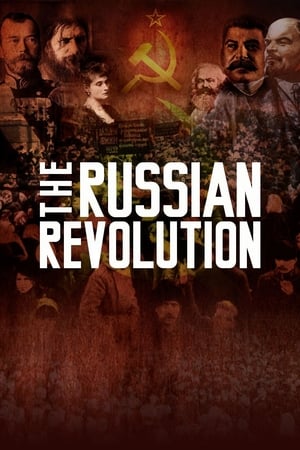
Starting in 1881 this film shows the personal battle between Lenin's Ulyanov family and the royal Romanovs that eventually led to the Russian revolution.
Vārdotājas (Wordsmiths) traces the recent rise of women's stand-up comedy in Latvia, but it is by no means just for laughs. Feelings of discomfort, shame, shock, are just some of the subjects tackled.
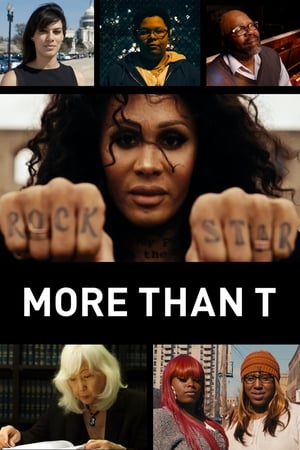
Seven transgender and gender nonconforming individuals share their unique experiences with Silas Howard.
A moving personal documentary about Danny, a friend of Kybartas who died of an AIDS-related illness in 1986. This powerful work explores the reason for Danny’s return home and his attempts to reconcile his relationship with his family members who had difficulty facing his homosexuality and his imminent death.
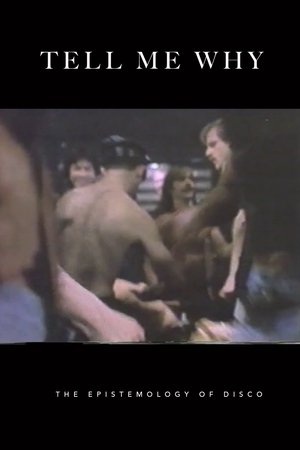
The history of gay liberation traced through the phenomenon of disco. Glitter balls, feather boas and Levi jeans become signifiers of a movement 20 years after the Stonewall riots.
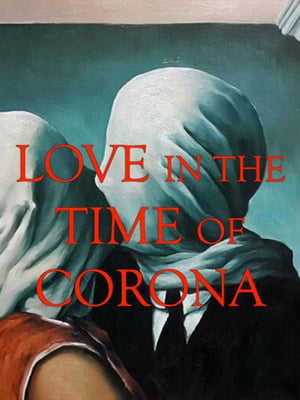
A video essay by Mark Rappaport, which spans René Magritte and Michelangelo to Bonnie & Clyde. Let’s mask up to rob a bank! But make sure that you are home before the curfew.
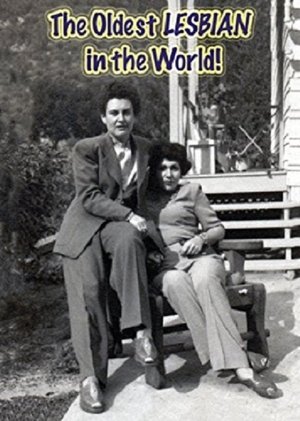
Nearing 100 years old, a national treasure, Bobby Staff whimsically exposes a rare and revealing insight into the romantic life of a butch lesbian born in 1913. Accompanied by her long time friend, Sweet Baby J'ai, Bobbie takes us on a trip down a very steamy memory lane, through photographs and vivid memories of many decades living her life as an out lesbian in New York City and Los Angeles.
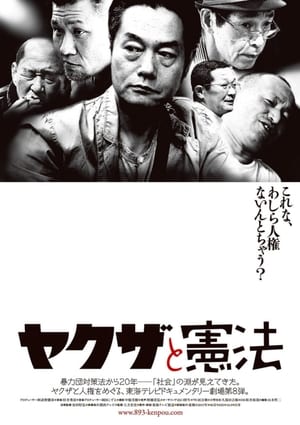
Since the enactment of the Anti-Boryokudan Act and Yakuza exclusion ordinances, the number of Yakuza members reduced to less than 60,000. In the past 3 years, about 20,000 members have left from Yakuza organizations. However, just numbers can’t tell you the reality. What are they thinking, how are they living now? The camera zooms in on the Yakuza world. Are there basic human rights for them?