Mother-of-two Judy Malinowski, then 31, was doused in gasoline and set on fire by her crazed boyfriend – and one of the first ever to testify from beyond the grave, at the trial for her own murder. A story that lives at the intersection of true crime and #MeToo, THE FIRE THAT TOOK HER goes deep inside a landmark case to ask a timely question: How much must women suffer in order to be believed?
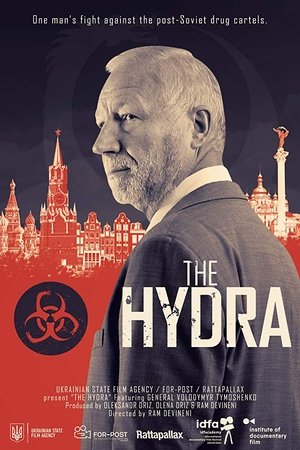
A fast-paced suspense thriller and feature documentary about the sudden rise of ecstasy in Europe to epidemic levels after the disintegration of the Soviet Union.
Anti-Congress propaganda film made by a District Officer in India.
It was the biggest escape in the history of the Berlin Wall: in one historic night of October 1964, 57 East-Berliners try their luck through a tunnel into West Berlin. Just before the last few reach the other side, the East German border guards notice the escape and open fire. Remarkably, all the refugees and their escape agents make it out of the tunnel unscathed, but one border guard is dead: 21-year-old officer Egon Schultz.
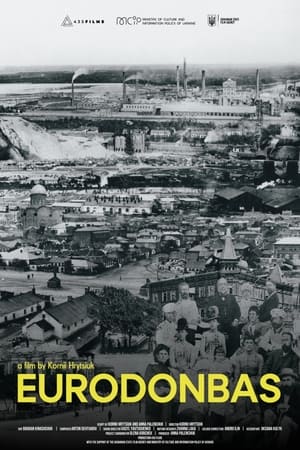
Throughout time, Eastern Ukraine (such as Donbas) has been referred to as a 'Russian world', but this is indeed not the case. The history of Donbas was re-written during the Soviet era. Although the Soviet Union edited out and withheld all references to the European background of this region from history books in schools and universities. There were, in fact, numerous French, Belgian, German, British, Polish, Swiss, Dutch, and even American settlements and more than 100 wide-scale enterprises in the region. Therefore, this film reveals the pro-European industrialization of Ukrainian Donbas at the turn of the 19th century. It aims to emphasize the European roots of Ukraine long before the official integration process of Ukraine into the EU in 2022.
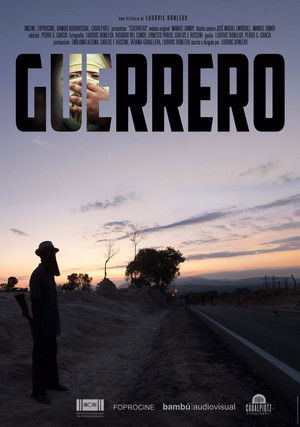
In the state of Guerrero, México, activists Coni, Juan and Mario rebel against impunity, regardless of the sacrifices and risks - even mortal - that their struggles involve.
A young woman reflects on her high school drug addiction on a weekend trip to her hometown in Pennsylvania where it took place.
Tommy Robinson goes on the offensive by documenting how his own “hit piece” on his character was being constructed by the taxpayer-funded BBC for their popular investigative news special “Panorama.” In the film he manages to capture footage of the blackmailing of his former employees to invent stories, along with an organization—known as “Hope not Hate”—on set with the BBC, intimidating ex-employees of Robinson during interviews. The host of “Panorama” at the time of filming is caught on camera casually using racist and homophobic slurs during a £220 champagne lunch with the same ex-employee they had planned to coach for a fake interview in which the BBC would possibly edit in which to make it appear as, “a gender, a sexual thing against Tommy Robinson,” according to the host. Within 24 hours of releasing the film, social media giant Facebook made a public statement of their own and removed Tommy Robinson’s accounts permanently.
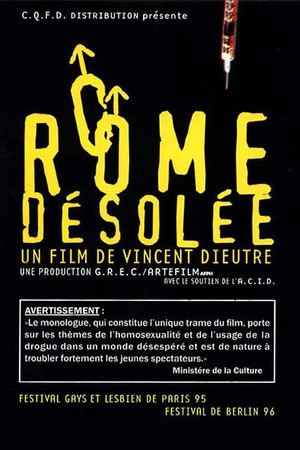
Chronicles of a male homosexual drug addict in 1980's in voice-over with long take scenes from Rome, television snippets of news of Gulf War and commercials.
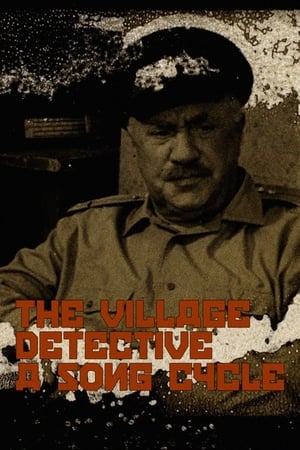
Atlantic Ocean, off the coast of Iceland, July 9, 2016. The surprising discovery of a canister —containing four reels of The Village Detective (Деревенский детектив), a 1969 Soviet film—, caught in the nets of an Icelandic trawler, is the first step in a fascinating journey through the artistic life of film and stage actor Mikhail Ivanovich Zharov (1899-1981), icon and star of an entire era of Russian cinema.
At the beginning of the 70s, Sahia Studio produced a number of social investigations commissioned by the Central Committee of the Romanian Communist Party, intended to expose the so-called "social parasitism". The decision was taken after the theses of July 1971, which provide that "one of the main objectives of political work, especially among the youth, is the firm fight against the tendencies of parasitism, of an easy life, without work, the cultivation of responsibility and the duty to work , in the service of the country, the people, the socialist society". The most famous films, made with the competition of the Ministry of the Interior and the Ministry of Justice, are Să treacă vara and Iarna unor pierde vară
Last bastion of freedom of expression or playground for extremists and criminals? Opinions are divided on the messaging service Telegram. Just like on its mysterious founder, tech billionaire Pavel Durov. Is this man an uncompromising advocate of radical freedom or an accomplice of criminals of all kinds? Author Aleksandr Urzhanov searches for answers.
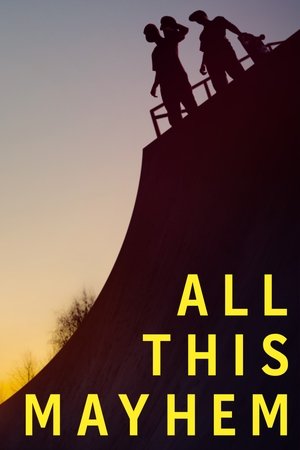
A searing account of what happens when raw talent and extreme personalities collide. In this unflinching, never-before-seen account of drugs and the dark side of professional skateboarding, brothers Tas and Ben Pappas' intense bond and charisma take them from the pinnacle of their sport into a spiraling world of self-destruction.
This film documents Hollywood's efforts to bolster support for the Allied forces in WWII by creating propaganda films.
An in-depth portrait of British composer, pianist and singer Elton John, pop star and myth of modern culture.
Maya is Ayaibex's daughter, an addict in recovery that feels a blame for damages that caused her daughter, Maya decides to remember her mother's childhood experiences in her world of addiction to seek the redemption of the weight that her mother has loaded for 20 years and get both to forgiveness.
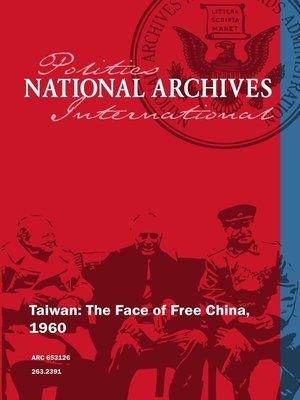
A documentary produced by the United States Central Intelligence Agency (CIA) that covers the history, land reform, industry, religion, educational system, and urban activities of Taiwan.
A man tries to get a group of young people trapped in drugs out through philosophy.
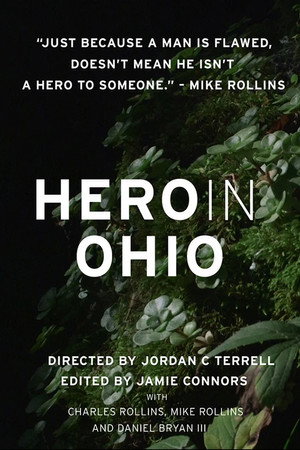
In the documentary, we follow twin brothers Mike and Chuck Rollins, former addicts who now work in addiction recovery. They know firsthand the struggles and vulnerabilities of addiction, as well as the challenges of reintegrating after treatment. For many addicts, returning to neighborhoods plagued by drugs and abandoned houses that serve as drug dens makes relapse almost inevitable. Through their nonprofit, Gemini Reliance, the Rollins brothers purchase dilapidated homes and transform them into safe, sober living spaces for those in recovery. Their efforts have proven effective, yet sobriety remains a constant battle. The story of HEROINOHIO begins as a profile of these two brothers but soon unfolds into a raw account of a fight against the powerful grip of addiction, revealing the relentless resilience required to reclaim one’s life.
In the 1980s and 1990s, an epidemic of crack cocaine addiction ravaged African American communities across the United States. Crack is extremely addictive, a trap that can lead to homelessness and an early death. Black addicts in Atlanta, Georgia tell us about their addiction, their past, and their struggles with police.