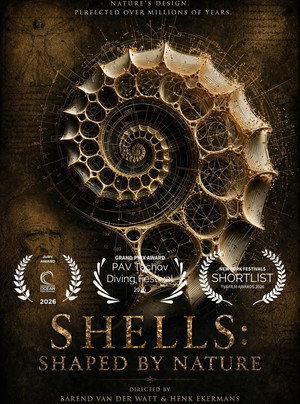
Since the dawn of time, Nature has sculpted the oceans with her delicate hand, weaving the tapestry of life in the shimmering depths and sunlit shallows. With infinite care, she conjured snails and mollusks to inhabit diverse marine realms around the African continent, each a reflection of her boundless creativity and wisdom. These delicate spirals, with their tender curves, ensnare our imagination, inspiring art, shaping cultures, adorning garments, and even serving as currency in ancient economies. "Shells: Shaped by Nature" is an artistic tribute to the enigmatic splendor of shells, celebrating these intricate marvels that grace Africa’s marine realms.
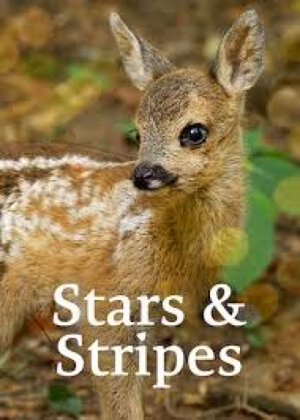
Why do goshawks, deer and wild boars have spots and stripes when they're younger? Observe firsthand how animals use body markings to survive.
Narrated by actor Tim Daly, the show looks at the dilemma of Black Bears living so close Los Angeles. Film features homeowners Brian and Rick who are dealing with Bears swimming in their pool; and features state Fish and Wildlife Officers.
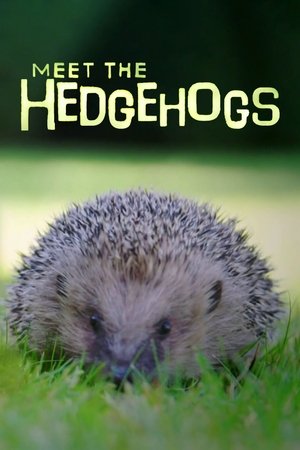
Steve Backshall visits a hedgehog rescue centre in Surrey founded by Brian May. He meets the dedicated staff and discovering the stories behind some of the animals being treated, helps to release a successfully treated hedgehog back into the wild, and offers advice on how to make a garden into a welcoming environment for the creatures.
Join us as we explore life on the highest mountain plateau on Earth. This beautiful and other worldly place is also one of the harshest on the planet. We follow the lives of some of the iconic creatures that call it home. From Tibetan wolves struggling to raise pups in the rugged peaks, and rare snub nosed monkeys facing family dramas on the forest slopes to chiru antelopes that travel hundreds of miles to give birth while facing death, and hardy pika who tough out the elements all year, whilst under constant attack. Discover how these extraordinary animals manage to not only survive, but also thrive on the roof of the world.
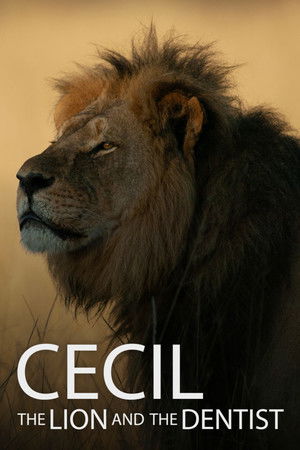
In 2015 a lion in Zimbabwe named Cecil was killed by Walter Palmer, an American dentist, provoking a global outcry. The story of Cecil’s death turns the gaze back on to us and our behaviour. The simplicity of the outrage is a stark contrast to the complexity of the reality.
In every leaf, the infinite unfolding. In every creature, your higher self looking back.
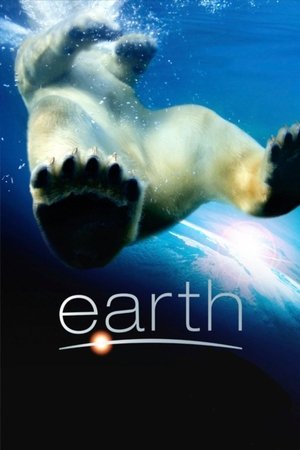
An epic story of adventure, starring some of the most magnificent and courageous creatures alive, awaits you in EARTH. Disneynature brings you a remarkable story of three animal families on a journey across our planet – polar bears, elephants and humpback whales.
The Tasmanian Tiger twists and turns depending on how it's seen. Sheep-killing beast or tragic victim of human induced extinction. Ancient painting on a rock or vivid ancestor spirit. Lost forever, or a timely reminder to respect the connection between human and animal, culture, nature and country. In stunning landscapes across Australia where Thylacines once roamed, people from wide-ranging traditions share their experiences: First Nations artists, rangers and custodians; biologists, bone hunters and archaeologists. Multiple insights combine to throw light on Australia's most wanted animal.
An introduction to the wildlife, particularly in swampy areas.
Running With The Beest
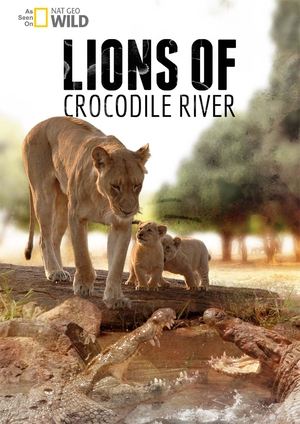
Lazy relatives. Jealous neighbors. Runaway kids. The everyday troubles of one family - except this family is a pride of lions. Shot over three years during the most extreme seasonal changes in Africa, the film follows Mfumu - the pride's leader - as he struggles to defend his turf, and his mate Chipazuwa as she tries to produce offspring. Among the threats: a river infested with crocodiles that have taken every litter of cubs -- and a rival male, bent on taking over the pride.
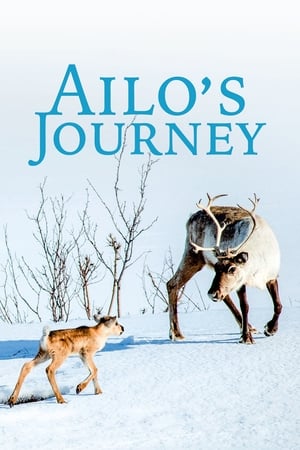
Narrated by Golden Globe winner, Donald Sutherland, this is the incredible story of Ailo, the little reindeer. This uplifting tale follows the journey of baby Ailo as he navigates his first year of life in the snowy landscapes of a picturesque Lapland. Frail and vulnerable, Ailo must learn to walk, run, leap and hide to ensure he survives the long, treacherous journey with the herd. Ailo’s Journey is an inspirational story, in which a bleak wilderness is warmed by a mother’s endless love as she watches over Ailo in his incredible adventures with other creatures of the Arctic.
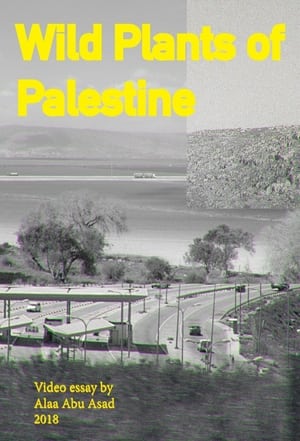
The film follows journeys of observational tours solicited by the Palestinian Museum and conducted by two professors from Birzeit University to collect photos of and information on the Palestinian Flora. The title is adapted from a collection of 123 images (circa 1900 to 1920) of wild flowers in Palestine found in the Matson Collection in the Library of Congress. Despite the tendency to trace the wild plants, the text in general aims at questioning the territorial extension of what is meant by the term “Palestinian”, while standing on insignificant topographical features of the (postcolonial) landscape in West Bank. Furthermore, it addresses photography as a practice and a tool of distributing and restricting information at once.
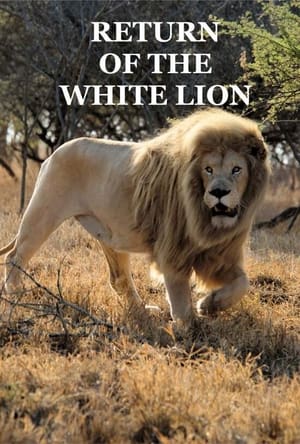
Tales of the existence of white lions have been passed through four centuries of African folklore. But today no white lions exist in the Timabavti range where they originated. That is until a team of conservationists brings one special lioness and her three cubs out of captivity and into the natural habit of their origins. Two years into the project, Linda has achieved much of what she set out to do but the hunting policy hasn't changed and the genetic marker hasn't yet been identified - meaning the white lions are still not a protected sub-species. Whilst this challenge still remains, Marah's legacy lives on as her daughter produces the white cubs, and the brothers are ready to breed with the tawny lionesses. Linda continues to fight for the protection of these magical lions and looks forward to the day when it will be safe for her lions - and all white lions - to roam freely in the Greater Timbavati Ecosystem.
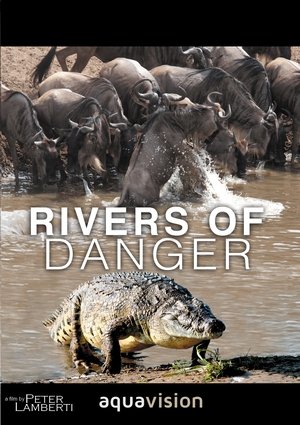
The rivers of Africa bring life and abundance to their inhabitants, but they can also be the arena for some of nature's greatest challenges and dramas. Harsh seasonal cycles dictate the course of life - and death - along the rivers. Only the fittest survive crossing the crocodile-infested Mara, the extreme drought of the Luangwa Valley or any of the many other perils harbored by rivers all over the continent. With cunning and opportunistic hunters of all sizes lurking in the waters or prowling the banks, "Rivers of Danger" is a predator's world.
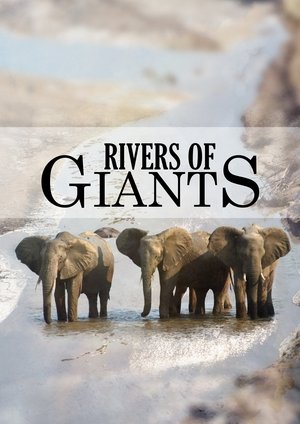
Africa is a land of giants. Its powerful rivers sculpt the earth and form impressive valleys and waterways that are home to many imposing and powerful inhabitants. These are the rivers where massive elephants and hippos live, feed and drink, and where ancient crocodiles hunt and breed. They share the rivers with porcupines, the martial eagle, and the leopard.
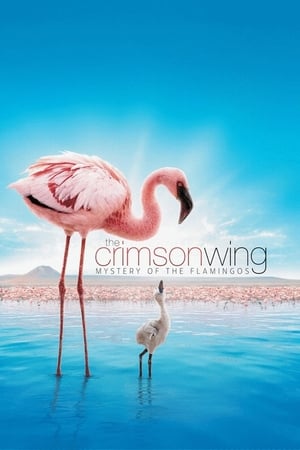
In the remote and forgotten wilderness of Lake Natron, in northern Tanzania, one of nature's last great mysteries unfolds: the birth, life and death of a million crimson-winged flamingos.
For 12,000 years wolves roamed Scotland. However, over three centuries ago, we exterminated them. This film reveals the rise and fall of the Scottish wolf and explores the question of whether they should be re-introduced. Wolves arrived as the last ice age ended, following the herds of deer and reindeer that crossed a now-lost land bridge from Europe. For thousands of years, wolves and humans shared the landscape as apex predators, with the wolf entering human art, myth and belief. However, farming put wolves and humans on a collision course, and, after centuries of persecution, wolves became extinct in Scotland. Since then, deer numbers have exploded, and many of Scotland’s woodlands have been stripped bare. Some argue for the wolf’s return. Could we, and should we, hear the howl of the wolf once more in the Highlands?
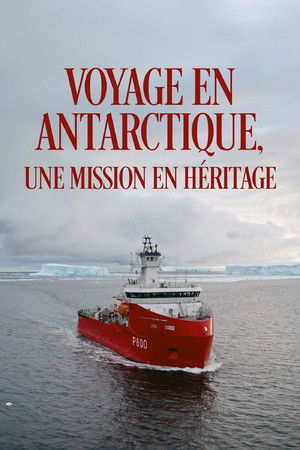
While emptying her grandparents' house, director Jeanne Lefevre discovers the journal kept by her grandfather during a scientific mission to Adélie Land, French Antarctic Territory, in 1960. Atomic engineer Bruno Parlier had never spoken of this trip to his family. With her archives in hand, Jeanne decides to follow in his footsteps, to Antarctica.