Follows the investigation into the assassination of President John F. Kennedy led by New Orleans district attorney Jim Garrison.
It’s 1974 and Sam Bicke has lost everything. His wife leaves him with his three kids, his boss fires him, his brother turns away from him, and the bank won’t give him any money to start anew. He tries to find someone to blame for his misfortunes and comes up with the President of the United States who he plans to murder.
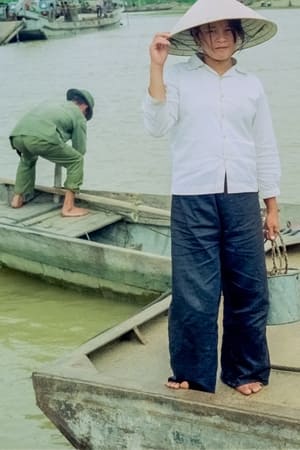
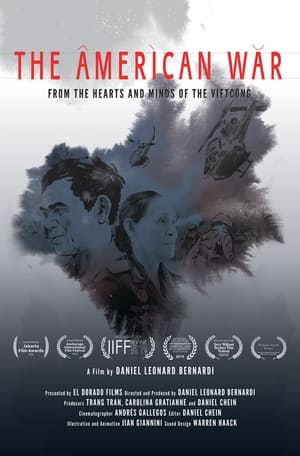
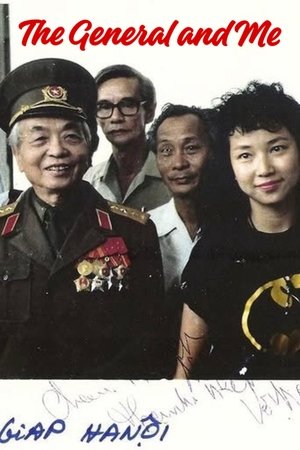
Over the period of 25 years the director met General Võ Nguyên Giáp, a legendary hero of Vietnam’s independence wars, a number of times. She was the first American who entered the home of the “Red Napoleon”. The fruit of this friendship is a film, personal and politically involved at the same time. Travelling across the country and talking to important figures as well as ordinary people, the director finds out more about her roots and offers the audience a unique perspective on Vietnam’s present and past.
The free, almost naive view from the perspective of a child puts the "68ers" in a new, illuminating light in the anniversary year 2008. The film is a provocative reckoning with the ideological upbringing that seemed so progressive and yet was suffocated by the children's desire to finally grow up. With an ironic eye and a feuilletonistic style, author Richard David Precht and Cologne documentary film director André Schäfer trace a childhood in the West German provinces - and place the major events of those years in completely different, smaller and very private contexts.
"From Mexico to Vietnam: A Chicano Story" is an inspiring documentary that chronicles the life of Jesus S. Duran, a Mexican immigrant who became a decorated U.S. Army soldier during the Vietnam War. Born in Juarez, Mexico, Duran moved to the United States as a child and enlisted in the Army in 1968. On April 10, 1969, while serving as an M-60 machine gunner with Company E, 2nd Battalion, 5th Cavalry, 1st Cavalry Division (Airmobile), he displayed extraordinary bravery by rescuing several wounded comrades during an intense enemy ambush in Tay Ninh, Vietnam. His valorous actions led to a posthumous Medal of Honor by President Barack Obama. Directed by Andrés Gallegos, the film delves into Duran's personal journey, his family's migration from Mexico, and the broader impact of the Vietnam War on the Chicano and Latino communities.
On 07 January 1972, the South Korean base in Nha-Trang, Vietnam, receives a radio transmission from a missing platoon presumed dead.
Même les anges ont le coeur brûlé
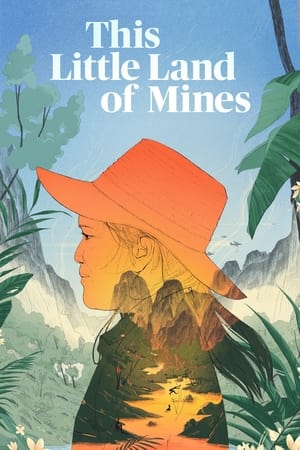
During the Vietnam War, the US bombed Laos more heavily than any other country had been bombed before. Today, the Lao people live among, and risk their lives to clear, over 80 million unexploded bombs on their doorsteps. With great beauty and empathy, this documentary reveals the unbelievable stories of the men and women at the forefront of this monumental task.
A German Documentary about the “village of friendship” that was created by American Veteran George Mizo to help the Vietnamese kids suffering from the Vietnam War.
The story of the first major battle of the American phase of the Vietnam War and the soldiers on both sides that fought it.
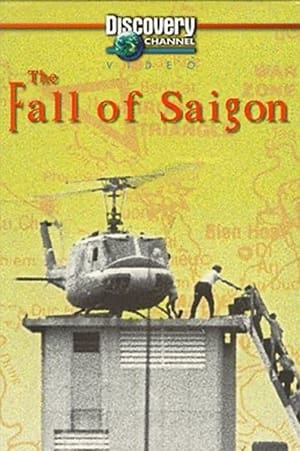
In April 1975 -- despite a ceasefire agreement -- the North Vietnamese communists took Saigon and the world by surprise, mounting an offensive that ousted the South Vietnamese government. This enlightening documentary recounts the last two years of America's military engagement in the country and the U.S. role in Saigon's fall. Interviews with former National Security Adviser Henry Kissinger and North Vietnamese officers provide context.
During the Vietnam War, a soldier finds himself the outsider of his own squad when they unnecessarily kidnap a female villager.
From bombers to jet fighters, the United States relied heavily on its powerful air force during the Vietnam War. Through amazing archival footage, this program explores the types of U.S. aircraft used in combat and the impact they had on the war. Because the Vietnam War was the most-filmed war in history, there's plenty of excellent footage allowing viewers to experience dangerous missions almost firsthand.
In Laos, 1954, eight days before the french defeat in the Indochina war, the 317th platoon – four french soldiers and 41 laotian combatants – has been ordered to leave its outpost and to retreat for the plains of Diên Biên Phu, where the french army is getting stucked. Led by the inexperienced and idealistic sous-lieutenant Torrens, fresh out of the military academy, and by adjutant Willsdorf, a WWII veteran of the Werhmacht, the group must cross 150 kilometers of jungle. But dripping rainwater, hostile nature, and the Viêt-minh ambushes expose them to constant danger.
In a small Vietnamese village torn apart by war, a young woman faces unimaginable horrors before deciding to escape to the city. There, she encounters a compassionate Marine who offers her hope and a chance at a new life, igniting the possibility of a future together.
Before becoming a film critic, then a maker mainly of sharply engaged documentaries, usually in tandem with her late husband Lino Del Fra, Cécilia Mangini was a photographer. Taking pictures was something she did all her life, alongside whatever else she was working on. In 1965 Mangini and Del Fra went to war-torn Vietnam to make a film they never finished. More than half a century later, she returned to these images, moving and still, some of which she found again by accident.
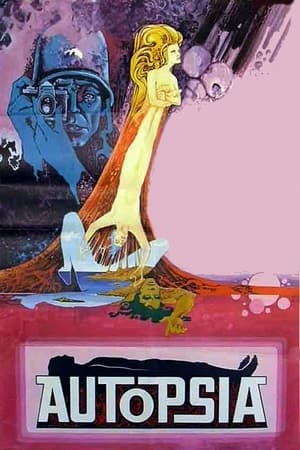
Mondo-style docudrama about a war correspondent who comes back home and has a spiritual crisis about his own mortality. Surreal fantasy sequences are mixed with graphic real autopsy footage.
While the war raged on, Henry Kissinger, national security advisor to President Nixon, and Lê Duc Tho, member of Vietnam's Politburo, held secret meetings in France.
Many times during his presidency, Lyndon B. Johnson said that ultimate victory in the Vietnam War depended upon the U.S. military winning the "hearts and minds" of the Vietnamese people. Filmmaker Peter Davis uses Johnson's phrase in an ironic context in this anti-war documentary, filmed and released while the Vietnam War was still under way, juxtaposing interviews with military figures like U.S. Army Chief of Staff William C. Westmoreland with shocking scenes of violence and brutality.
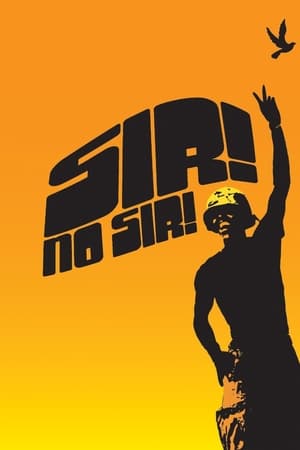
Sir! No Sir! is a documentary film about the anti-war movement within the ranks of the United States Military during the Vietnam War. It consists in part of interviews with Vietnam veterans explaining the reasons they protested the war or even defected. The film tells the story of how, from the very start of the war, there was resentment within the ranks over the difference between the conflict in Vietnam and the "good wars" that their fathers had fought. Over time, it became apparent that so many were opposed to the war that they could speak of a movement.