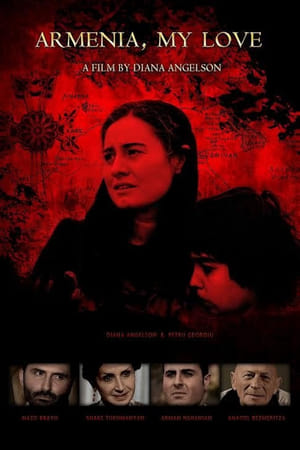
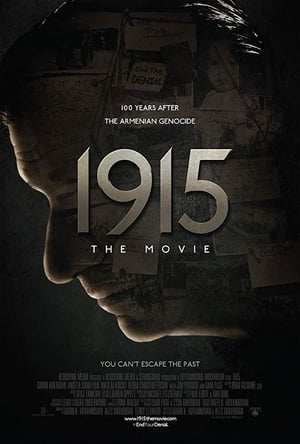
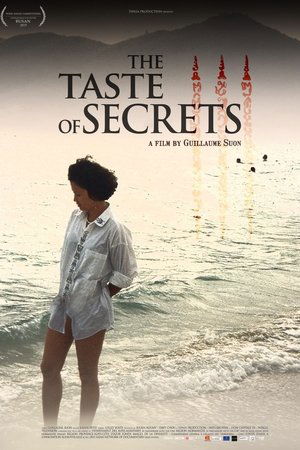
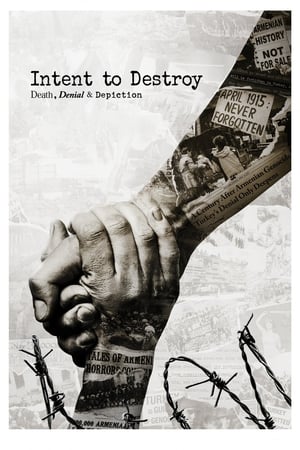
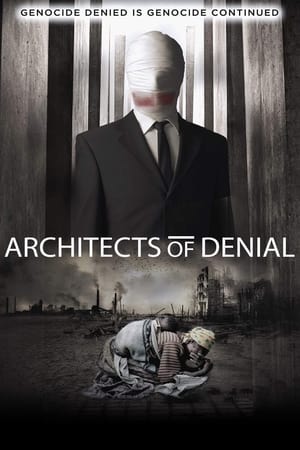
The destiny of a happy Armenian family will change forever in 1915, Ottoman Empire, (Armenian land), now Turkey and whose beautiful dreams will become memories in the eyes of the most famous Armenian American painter, who lives to paint the story of his shattered childhood.
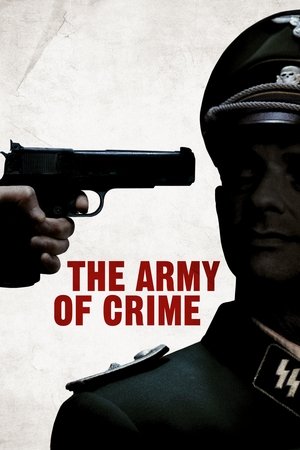
This gripping historical drama recounts the story of Armenian-born Missak Manouchian, a woodworker and political activist who led an immigrant laborer division of the Parisian Resistance on 30 operations against the Nazis in 1943. The Nazis branded the group an Army of Crime, an anti-immigrant propaganda stunt that backfired as the team's members became martyrs for the Resistance.
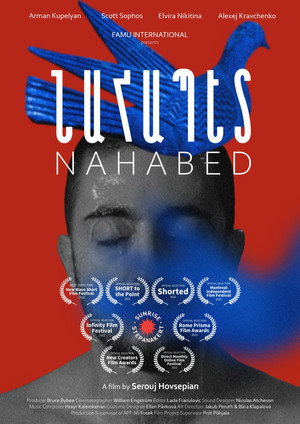
Exactly 100 years after the Armenian Genocide, a theatre director stages a play to bring the ghosts of the past back to life.
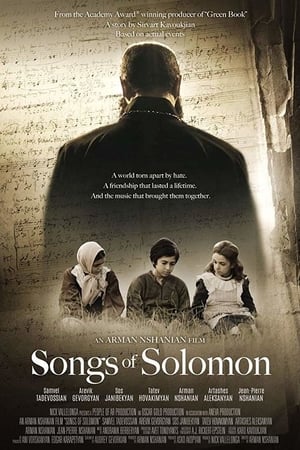
Inspired by true events, this is a film about a childhood friendship, torn apart by the horrific Hamidian massacres infiltrated by the Ottoman Empire under the rule of Sultan Abdul Hamid II (1894-1896).
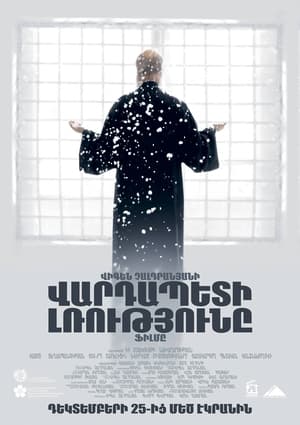
A film about the great Komitas, one of the victims of the Armenian Genocide, who wasn't killed, but went crazy and kept silence for 20 years
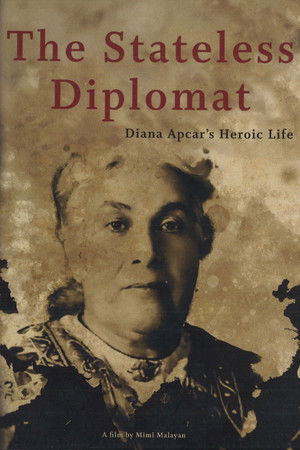
Diana Apcar, a 19th century Armenian writer living in Japan, becomes the de facto ambassador of a lost nation.
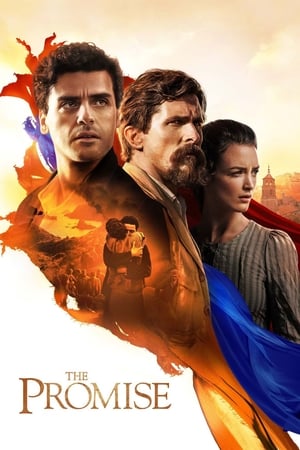
Set during the last days of the Ottoman Empire, a love triangle develops between Mikael, a brilliant medical student, the beautiful and sophisticated artist Ana, and Chris, a renowned American journalist based in Paris.
In the aftermath of a recent genocide, Haïg, a young survivor is chosen to father a new generation of his people and ensure the survival of his endangered Armenian race, while sacrificing his personal freedom.
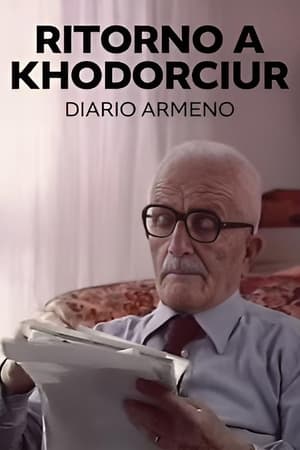
Raphael, Yervant Gianikian's father, survived the Armenian genocide in 1915 in Eastern Turkey. In April 1988, while living in Venice, he sat for his son's camera and read an excerpt from his memoirs, translated from Armenian into Italian.
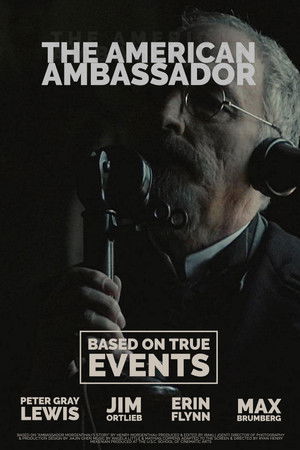
U.S. Ambassador Henry Morgenthau risks his job and his reputation by leaking memos to the New York Times and becoming the first whistleblower of the Armenian Genocide. (Based on "Ambassador Morgenthau's Story" by Henry Morgenthau)
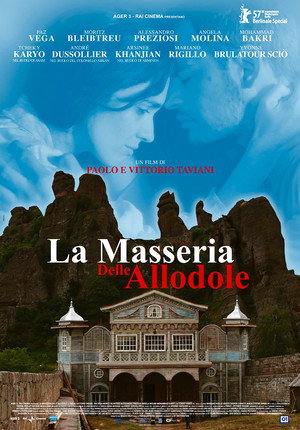
La masseria delle allodole
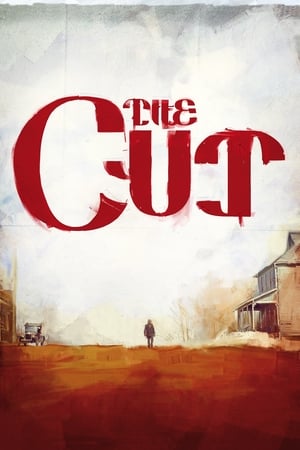
In 1915, a man survives the Armenian genocide in the Ottoman Empire, but loses his family, speech and faith. One night, he learns that his twin daughters may be alive, and goes on a quest to find them.
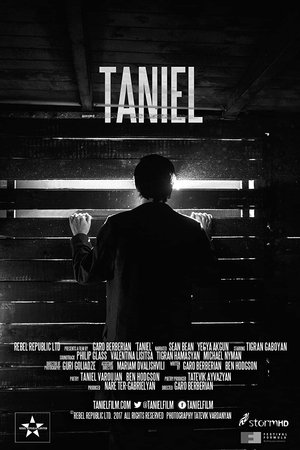
"Taniel" looks at the last months of poet Taniel Varoujan's life, who was murdered in the Armenian Genocide of 1915. The film's narrative is heard in poetry and seen through Film Noir images.
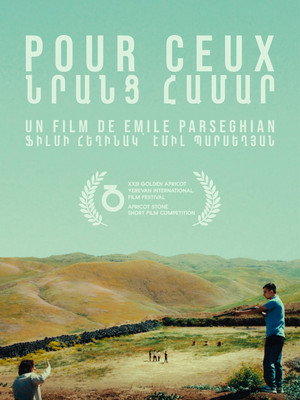
Armenia, Spring 2021. Léon, a Frenchman of Armenian descent, returns to his family to bury his cousin Hrant, who died six months earlier during the 44-day war.
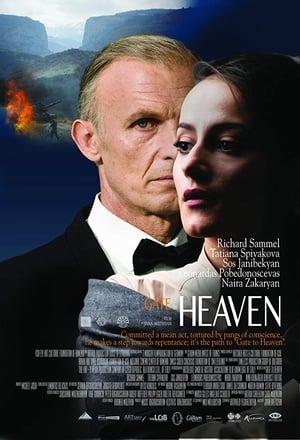
Robert Sternvall, a German journalist, returns to Artsakh in 2016 to cover the war which has been reignited after a 22-year ceasefire. In the result of his journalistic investigation, Robert meets Sophia, a young opera singer, who happens to be the daughter of missing photojournalist Edgar Martirosyan, whom Robert abandoned in captivity during the fall of the village of Talish in 1992. Robert and Sophia’s frequent rendezvouses ignite a passionate romance...
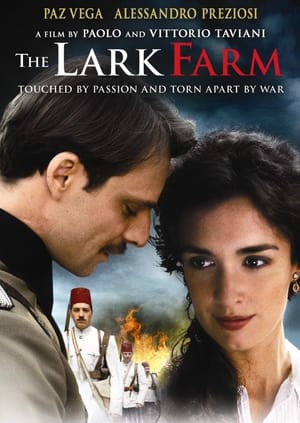
The Lark Farm is set in a small Turkish town in 1915. It deals with the genocide of Armenians, looking closely at the fortunes, or rather, misfortunes of one wealthy Armenian family.
2010 documentary film on the Armenian Genocide by the Young Turk government of the Ottoman Empire during World War I. It is based on eyewitness reports by European and American personnel stationed in the Near East at the time, Armenian survivors and other contemporary witnesses which are recited by modern German actors.
Though both the historical and modern-day persecution of Armenians and other Christians is relatively uncovered in the mainstream media and not on the radar of many average Americans, it is a subject that has gotten far more attention in recent years.
Can a government aligned with a pro-Turkish vector force the abandonment of Ararat, a symbol of the Armenian people? Could their efforts succeed over time in leading to the forgetfulness of national values such as the Armenian language, Christianity, the historical homeland, and the Genocide? These questions are raised in the documentary The Promised Mountain, dedicated to the 110th anniversary of the Armenian Genocide.
In 2015, we created this cell animation short to commemorate the Armenian Genocide Centenary. To the date, the Turkish government still denies the genocide took place, dodging their responsibility. 100 years will have passed this April 24th, and Armenians will keep on fighting for justice. This is a small tribute to the 1.500.000 victims.