Biopic about general Hazi Aslanov, who died fighting Germans in WW2.
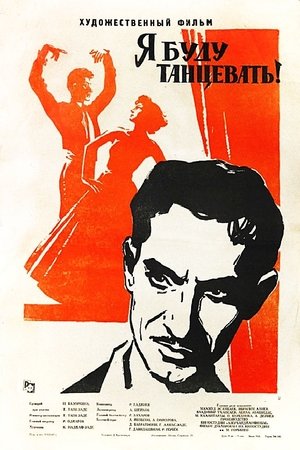
The film is about famous Chechen ballet and folk dancer Mahmud Essembayev's life.
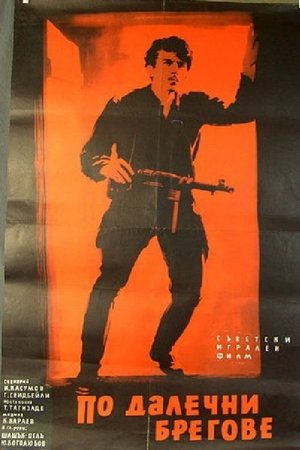
The film portrays the life of the legendary Azerbaijani guerrilla of the Second World War Mehdi Huseynzadeh, who fought the Nazi forces in the present-day Italy and Slovenia, hence the film's name On distant shores referring to the Adriatic Sea.
At the end of the Garabagh war, a young Azeri man, who has been witness to the martyrdom of many people and the dispatch of his friends and relatives to the war front, mounts a white horse and without informing his family sets out for the front, He joins the relief work group in spite of the objections of the commander of the forces, until...
The film is dedicated to the memory of the great Azerbaijani poet Muhammad Fuzuli by the relic-gazalakh, and the lyric poet Aliaga Vahid. The poet's life is presented in chronological order. The authors do not clearly indicate the names of the people who covered Vahid. They tried to create a generalized artistic image using some of the master poet's masterpieces from his difficult life.
The film is about events which has happened with the "Potyomkin" ship.
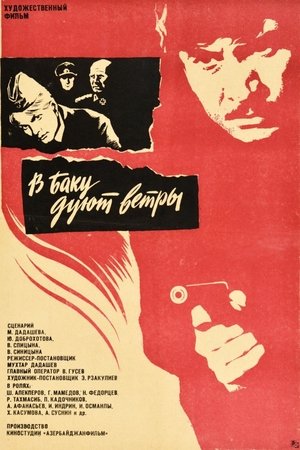
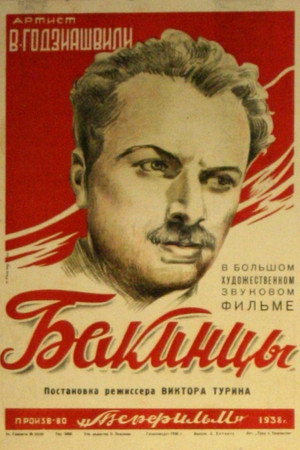
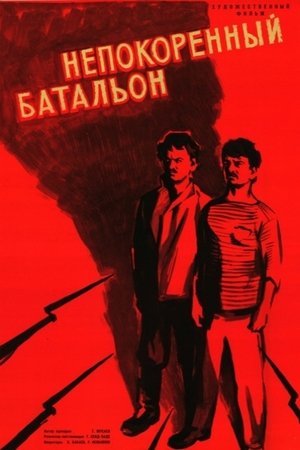
Jan Vacek, a revolutionary of Czech origin, organizes the retreat of communist troops in Baku after the Bolshevik Revolution, following the fall of the local commune...
The film is about the Soviet People's patriotism and friendship.
The film is dedicated to the life and creative work of the great Azerbaijani educator, playwright, and philosopher, Mirza Fatali Akhundov, affectionately known as Sabuhi, meaning “man of the morning.”
The film is about the first oil-well in the world in the world in the 1920th.
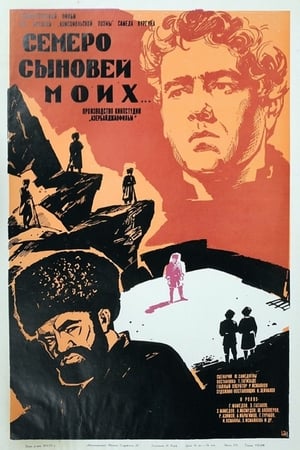
The novelette was written by I.Huseynov. In the film, the problem of war is viewed from the perspective of love. Almost all of the men of the village are at the battlefront. The women who stayed in the night and day to support their efforts. Children wake up in the middle of the night, crying for bread. All of the villagers feel anxious for the men to return. Mothers are waiting for their sons; wives, for their husbands and children, for their fathers. When Sayali's husband dies at the front, her husband's friend Jabrayil proposes to her. The people of the village are furious. Jabrayil's brothers leave home, convinced that their family has been disgraced. One brother goesw crazy; the other fall ill and dies. The only person who doesn't blame Jabrayil is the "agsaggal" (the wise old man) of the village - Isfandiyar Kishi. In this film, note single sound of weaponry is heard, not are any battle scenes depicted, yet we still witness the inherent tragedy of war.
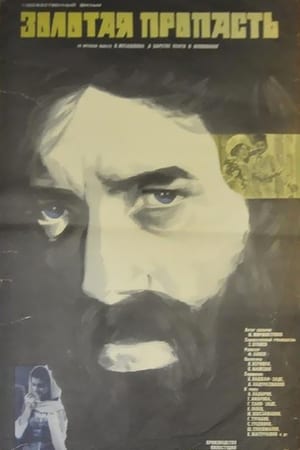
The oil industry is emerging in Baku. A poor young man named Jalil accidentally becomes the owner of an oilfield site. But unexpected wealth brings him one misfortune after another. His friends turn away from him, and the woman he loves leaves for another. A hero who dreamed of a home will never create a family.
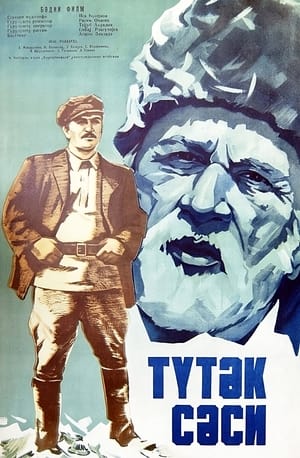
The film is about Gachag Nabi's heroism.
After the novel of the same name of B.Bayramov. The film is about life during war, about postwoman.
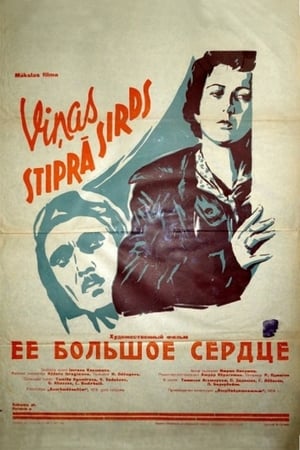
This is a story about World War II. The adultery of her husband didn't wreck her life because she could stand all difficulties with a little help of her faithfull friends.
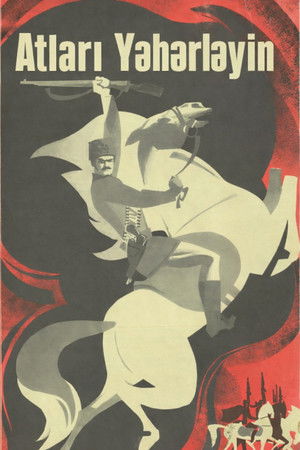
The film is about the rebellion in Ganja in 1919-1920 at the head of Gatir Mammad.
About a young engineer's struggle for new, scientifically proven methods of working in drilling mines. His main opponent is a drilling foreman who prefers to be guided by his "sixth sense" in his work. In the end, engineer Geydar wins a double victory: he proves the superiority of new drilling methods over traditional ones and wins the heart of the old foreman's daughter. The film is considered banned.
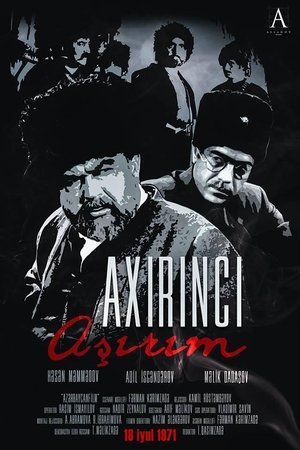
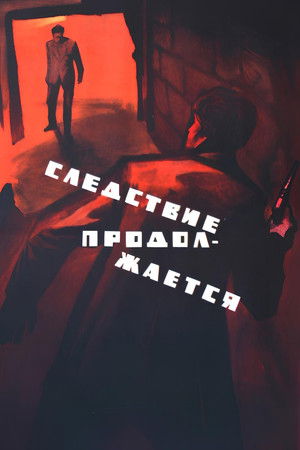
Baku, Year 1920. Secret agent of the Emergency Commission Engineer Mammad Rustamov is sent to Berlin with a special assignment. On the pretext of treating his son's illness, Mammad is endangering his life and people around him.
The film is about commissary Chingiz Ildirim.
The film chronicles the ordeals faced by Azerbaijan’s intellectuals - from the Red Terror to the present day - depicting how, amid shifting social and political upheavals, they endure physical and moral persecution. It also explores human betrayal and the ways people adapt their identities to survive changing circumstances.