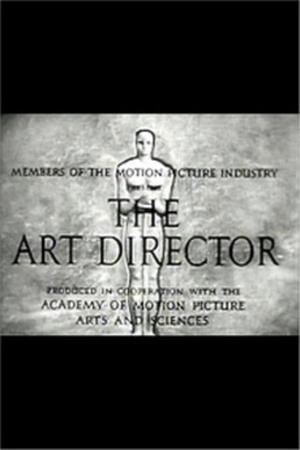
A film's art director is in charge of the set, from conception to construction to furnishing. This short film walks the viewer through art directors' responsibilities and the demands on their talents. They read a script carefully and design a set to capture the time and place, the social strata, and the mood. They must be scholars of the history of architecture, furnishings, and fashion. They choose the colors on a set in anticipation of the lighting and the mood. Their work also sets styles, from Art Deco in the 20's to 30s modernism. Then it's on to the next project. Preserved by the Academy Film Archive in 2012.
This film documents the coal miners' strike against the Brookside Mine of the Eastover Mining Company in Harlan County, Kentucky in June, 1973. Eastover's refusal to sign a contract (when the miners joined with the United Mine Workers of America) led to the strike, which lasted more than a year and included violent battles between gun-toting company thugs/scabs and the picketing miners and their supportive women-folk. Director Barbara Kopple puts the strike into perspective by giving us some background on the historical plight of the miners and some history of the UMWA. Preserved by the Academy Film Archive in partnership with New York Women in Film & Television in 2004.
A portrait of artist, actress, poet and occultist Marjorie Cameron, it shows images of her paintings and recitations of her poems. Preserved by the Academy Film Archive in 2006.
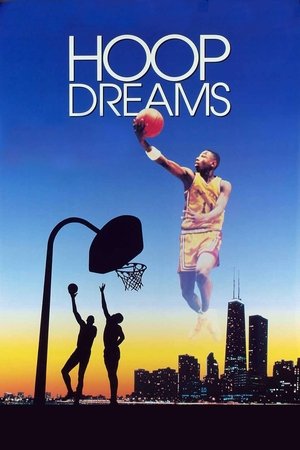
Every school day, African-American teenagers William Gates and Arthur Agee travel 90 minutes each way from inner-city Chicago to St. Joseph High School in Westchester, Illinois, a predominately white suburban school well-known for the excellence of its basketball program. Gates and Agee dream of NBA stardom, and with the support of their close-knit families, they battle the social and physical obstacles that stand in their way. This acclaimed documentary was shot over the course of five years.
A direct-cinema portrait of Indianapolis 500 driver Eddie Sachs, filmed before, during, and after the 1960 race as he competes from pole position. Using pioneering mobile camera and sound techniques, the film captures the psychological intensity of racing and the personal cost of high-speed competition.
NO NO NOOKY TV posits sexuality to be a social construct in a "sex-text" of satiric graphic representation of "dirty pictures." Made on an Amiga Computer and shot in 16mm film, NO NO NOOKY TV confronts the feminist controversy around sexuality with electronic language, pixels and interface. Even the monitor is eroticized in this film/video hybrid that points fun at romance, sexuality, and love in our post-industrial age. Preserved by the Academy Film Archive in 2017.
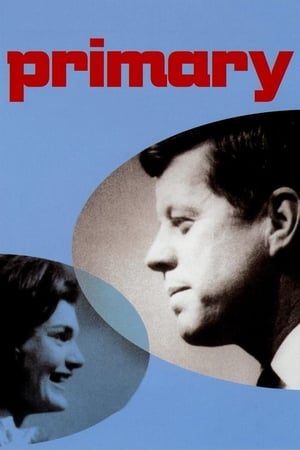
Primary is a documentary film about the primary elections between John F. Kennedy and Hubert Humphrey in 1960. Primary is the first documentary to use light equipment in order to follow their subjects in a more intimate filmmaking style. This unconventional way of filming created a new look for documentary films where the camera’s lens was right in the middle of what ever drama was occurring. Preserved by the Academy Film Archive in partnership with The Film Foundation in 1998.
Documentarian Jon Boorstin follows architect Frank Gehry and his sister, Doreen Gehry Nelson, as they attempt a new method of teaching elementary school children in Los Angeles. With funding from the National Endowment for the Arts, the siblings work together on a pilot program of “design-based learning” that would restructure the typical classroom curriculum, replacing rote math or civics lessons with an imaginary city designed and built entirely by the students themselves. Restored in 2018 by the Academy Film Archive.
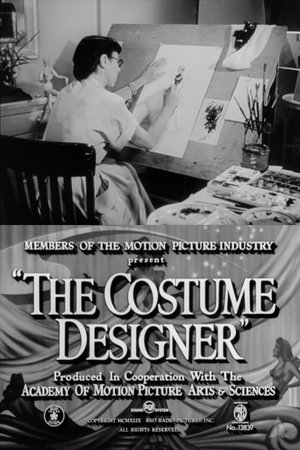
This short focuses on the job of the costume designer in the production of motion pictures. The costume designer must design clothing that is correct for the film historically and geographically, and must be appropriate for the mood of the individual scene. We see famed costume designer Edith Head at work on a production. The Costume Designer was part of The Industry Film Project, a twelve-part series produced by the film studios and the Academy. Each series episode was produced to inform the public on a specific facet of the motion picture industry. Preserved by the Academy Film Archive in 2012.
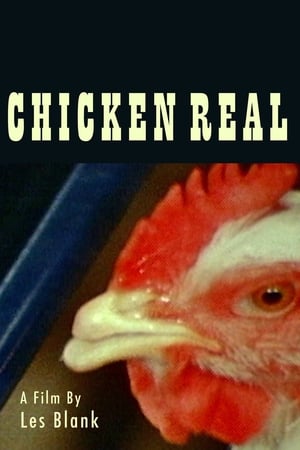
One of Les Blank's industrial films, which follows a Holly Farms "broiler" chicken from factory incubation to the county fair barbecue pit. A hilarious, disturbing and surreal look at a large-scale chicken farm producing 156 million chickens a year! Film includes lots of chicken songs and music recorded live in the Blue Ridge Mountains of North Carolina. Preserved by the Academy Film Archive in 2013.
A look inside the Will Vinton Studio, with specializes in stop-motion animations with clay. Preserved by the Academy Film Archive in 2013.
A sideshow barker uses magic and visual aids to alert the public that proper food management is both a resource and a weapon that could be to America's advantage if conserved properly in winning the then current World War. Preserved by the Academy Film Archive, Academy War Film Collection, in 2008.
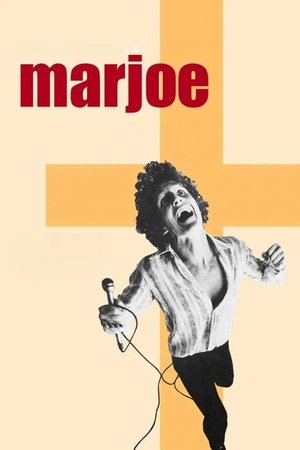
Part documentary, part expose, this film follows one-time child evangelist Marjoe Gortner on the "church tent" Revivalist circuit, commenting on the showmanship of Evangelism and "the religion business", prior to the start of "televangelism". Preserved by the Academy Film Archive in 2005.
Follows a crusading lawyer as he embarks on a campaign to save an African-American man, Paul Crump, from the electric chair. Preserved by the Academy Film Archive in partnership with The Film Foundation in 2007.
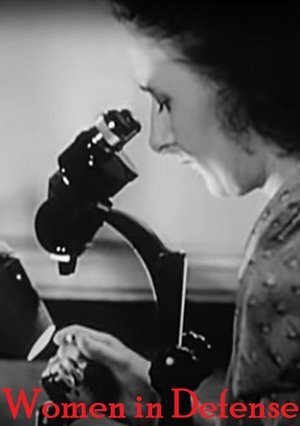
Documentary examining the steel industry in Youngstown, Ohio during World War II. Focuses on steel production, including the smelting process, slagging and the blast furnace. Workers reflect upon their lives and the importance of their jobs. Emphasizes the importance of teamwork in the mills and on the plant's labor relations committee to help win the war. Preserved by the Academy Film Archive in 2012.
The Amazon rain forest, 1979. The crew of Fitzcarraldo (1982), a film directed by German director Werner Herzog, soon finds itself with problems related to casting, tribal struggles and accidents, among many other setbacks; but nothing compared to dragging a huge steamboat up a mountain, while Herzog embraces the path of a certain madness to make his vision come true.
The Japanese attack on Midway in June 1942, filmed as it happened. Preserved by the Academy Film Archive, in partnership with Twentieth Century Fox Film Corporation, in 2006.
Robert Drew shows the sights and sounds from the funeral of President John F. Kennedy in November, 1963. Preserved by the Academy Film Archive in 2002.
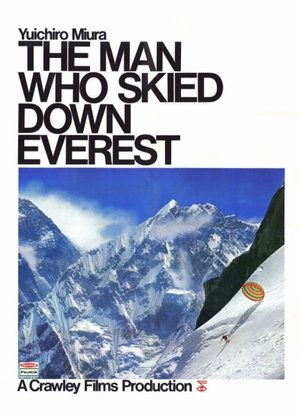
This Oscar-winning documentary tells the story behind Japanese daredevil Yuichiro Miura's 1970 effort to ski down the world's tallest mountain.
Documentary short preserved by the Academy Film Archive in 2012.