Follows Cousteau on a trip to Antarctica with 6 children, each chosen to represent one of the other continents in order to raise awareness about the global significance of Antarctica, the continent most crucial to world climate regulation.
Interview with a scientist from the Concordia research base, in the middle of an ice desert.
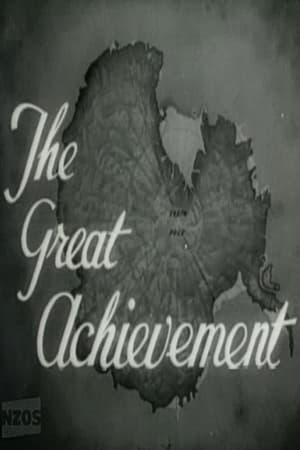
A documentary about New Zealanders in Antarctica: researching International Geophysical Year, and supporting the Trans-Antarctic Expedition by laying supply depots for Vivian Fuchs’ overland crossing.
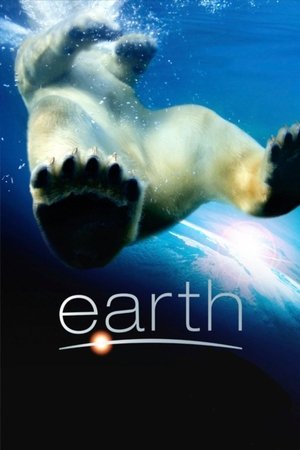
An epic story of adventure, starring some of the most magnificent and courageous creatures alive, awaits you in EARTH. Disneynature brings you a remarkable story of three animal families on a journey across our planet – polar bears, elephants and humpback whales.
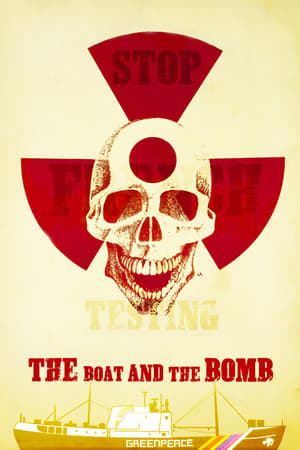
In Aukland Harbour, New Zealand, on July 10th 1985, French navy combat frogmen placed two mines against the hull of the Greenpeace flagship Rainbow Warrior, sinking the ship and killing photographer Fernando Pereira.
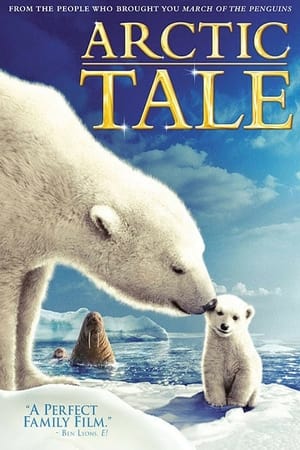
Arctic Tale is a 2007 documentary film from the National Geographic Society about the life cycle of a walrus and her calf, and a polar bear and her cubs, in a similar vein to the 2005 hit production March of the Penguins, also from National Geographic.
Documentary film on the plight of Western Australia's forests and their real value in drawing down and storing carbon.
De l'eau dans le gasoil
According to climate scientists, the year 2050 will be a tipping point in the history of our planet. As seawater slowly but surely warms up, the ice in Antarctica is melting before our very eyes.
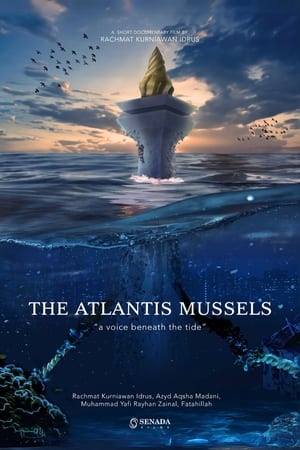
This film narrates the story of a community on the coast of the Special Capital Region of Jakarta, experiencing the direct impact of land subsidence and global climate change that jeopardize their area. In an effort to face this crisis, they come up with a unique solution by using green mussels shells for raising the ground to prevent the disaster from engulfing their homes.
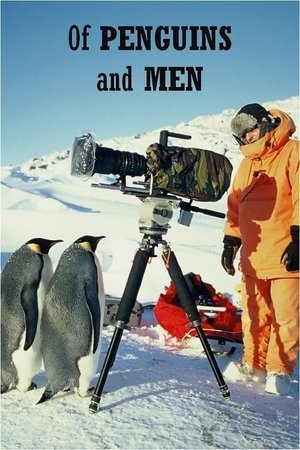
A behind-the-scenes look at the making of "March of the Penguins".
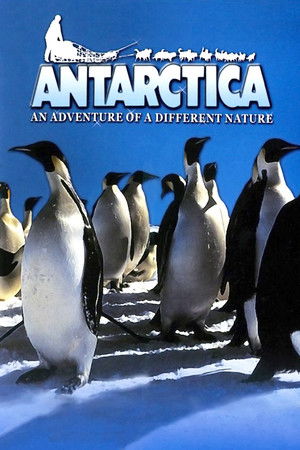
This large format film explores the last great wilderness on earth. It takes you to the coldest, driest, windiest continent, Antarctica. The film explores the life in Antarctica, both for the animals that live their and the scientist that work there.
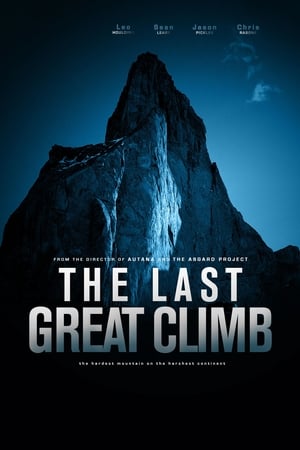
The 2013 film from Alastair Lee is an epic to end all mountain epics se t in the stunning mountains of Queen Maud Land, Antarctica. The feature documentary follows top adventure climber Leo Houlding with his tried and tested team of Jason Pickles and Sean ‘Stanley’ Leary as they attempt to make the first ascent of the NE ridge of 'the master piece of the range'; the majestic Ulvetanna Peak (2931m). One of the most technically demanding climbs in the world’s harshest environment. The film tells the story of a climber's life long dream reach one of the world's most remote and difficult summits, interweaved with the fascinating story of the mountain itself; which incredibly was only discovered in 1994. All set against the backdrop of the current age of mountaineering where few great lines remained unclimbed.
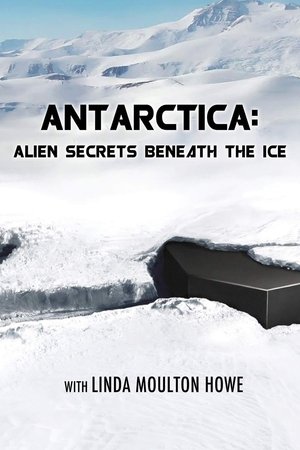
There is a huge secret hidden deep beneath Antarctic ice. Eyewitness Navy Seal Spartan 1 walked there through green, glowing halls carved with mysterious hieroglyphs. Marine Spartan 2 says these same glyphs are on the Moon and Mars. Both whistleblowers tell reporter Linda Moulton Howe that E. T. humanoids have terraformed Earth and our solar system for millions of years.
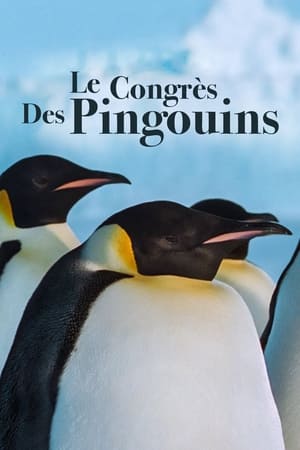
The real place where the penguin congress takes place is also the most fictional place on this planet where you can stand on your own two legs. Here, even the animals can talk. This land of dreams and nightmares is called Antarctica. In this desert of ice surrounded by a stormy sea, a few dozen human beings also live. Using sophisticated instruments, they observe the worrying changes affecting our world: the hole in the ozone layer, climate change, and so on.
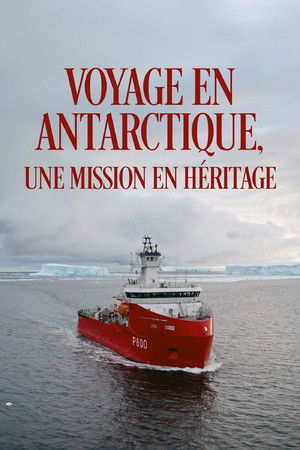
While emptying her grandparents' house, director Jeanne Lefevre discovers the journal kept by her grandfather during a scientific mission to Adélie Land, French Antarctic Territory, in 1960. Atomic engineer Bruno Parlier had never spoken of this trip to his family. With her archives in hand, Jeanne decides to follow in his footsteps, to Antarctica.
On April 27th, at 2pm, National Geographic is using a version of the Environmental Performance Index to take a "pulse" of how countries are performing in regards to their environmental stewardship of the planet. Please forward this video to those you love, our planet Earth needs you. We don't have a moment to waste. Let's love and protect our Mother Planet now
When she was younger, Fernanda Maciel was asked what her dream was. She replied that it was to travel the world and explore, but even she couldn’t have imagined this… Mount Vinson is Antarctica’s highest peak. At 4,892m, it takes most people between four and six days to complete the journey to and from the summit. Fulfilling her dream to run in the world’s most remote locations, Fernanda sets out to see how much quicker she can scale the coldest and most isolated of the seven summits.
Two expedition guides share their love for Antarctica with visitors, hoping to inspire understanding, connection and protection.
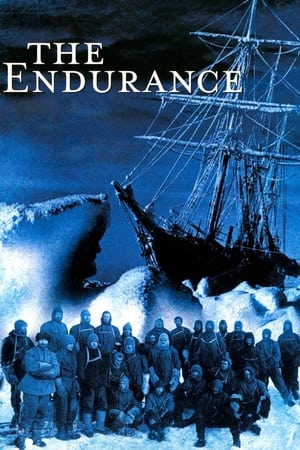
Documentary on the Shackleton Antartic expedition. A retelling of Sir Ernest Shackleton's ill-fated expedition to Antarctica in and the crew of his vessel 'The Endurance', which was trapped in the ice floes and frigid open ocean of the Antarctic in 1914. Shackleton decided, with many of his crew injured and weak from exposure and starvation, to take a team of his fittest men and attempt to find help. Setting out in appalling conditions with hopelessly inadequate equipment, they endured all weather and terrain and finally reached safety. Persuading a local team of his confidence that the abandoned team would still be alive, he set out again to find them. After almost 2 years trapped on the ice, all members of the crew were finally rescued.