Flo und sein Kumpel Hotte arbeiten in der mies gehenden Neuköllner Videothek Video König. Kein Wunder, denn Hotte glänzt mit null Filmwissen, und Flo muss mit damit fertig werden, von seiner Freundin verlassen worden zu sein. Die beiden Unglücksvögel lassen sich vom Kiez-Gauner Bernhardt abzocken, von Schlägern die Fresse polieren und Inkasso-Unternehmen drangsalieren. Ein Glück, dass für Flo wenigstens wieder die Liebe in Form von Nachbarin Ramona lacht, auch wenn diese möglicherweise eine Prostituierte ist.
Robot Johnny 5 moves to the city to help his friend Ben Jahrvi with his toy manufacturing enterprise, only to be manipulated by criminals who want to use him for their own nefarious purposes.
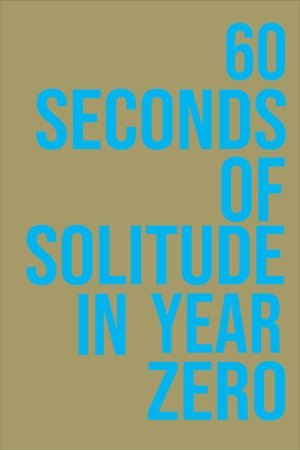
An anthology of one-minute films created by 51 international filmmakers on the theme of the death of cinema. Intended as an ode to 35mm, the film was screened one time only on a purpose-built 20x12 meter public cinema screen in the Port of Tallinn, Estonia, on 22 December 2011. A special projector was constructed for the event which allowed the actual filmstrip to be burnt at the same time as the film was shown.
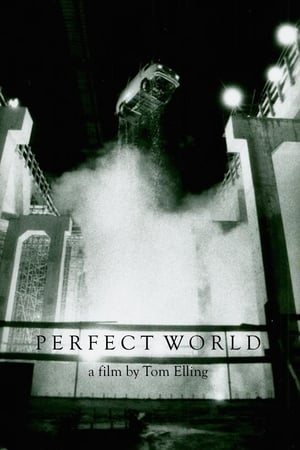
A take it or leave it auteur-experimental fiction exercise: two women are monitoring their dreams, dreams that may of course also be stark naked reality, at least to the dreamers, as they come and they go like bubbles, rising, floating, bursting. A man appears out of nowhere. Poet Peter Laugesen co-wrote the script with Tom Elling, who was Lars von Trier's director of photography on "The Element of Crime".
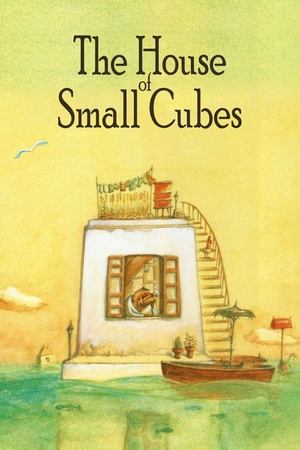
La Maison en Petits Cubes tells the story of a grandfather's memories as he adds more blocks to his house to stem the flooding waters.
Experimental film by Aldo Francia that consists in diverse situations through the 123 steps of the Santa Justina staircase in the Cerro Larraín of Valparaíso.
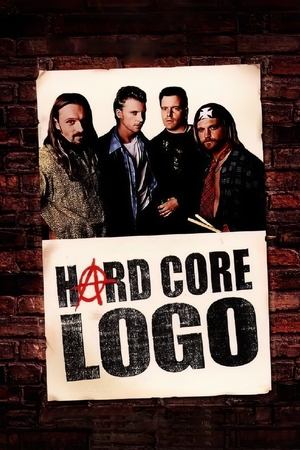
Bruce Macdonald follows punk bank Hard Core Logo on a harrowing last-gasp reunion tour throughout Western Canada. As magnetic lead-singer Joe Dick holds the whole magilla together through sheer force of will, all the tensions and pitfalls of life on the road come bubbling to the surface.
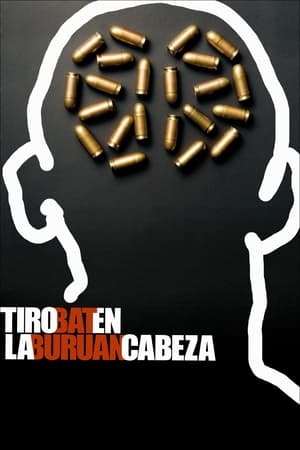
After his girlfriend commits suicide, a man becomes embroiled in gang warfare attempting to obtain a gun in hopes to kill himself.
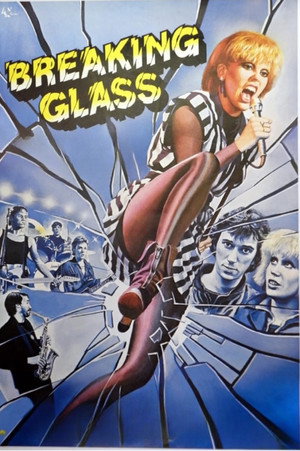
Breaking Glass is the story of punk singer Kate and her meteoric rise to stardom. Starting out in the rock pubs of London, Kate, assisted by her manager Danny, becomes a huge star overnight. Once at the top the pressure is immense as Kate's band are squeezed out and she is left to cope alone in the spotlight.
Each day after work, Carlos, a language school teacher, frequents the heady surroundings of his local cruising ground. One evening he encounters a teenage boy from his class named Toni, and the two engage in a brief sexual tryst. As the relationship between teacher and student begins to develop, some dark truths emerge about the young man and his mysterious group of friends.
A production company begins casting for its next feature, and an up-and-coming actress named Rose tries to manipulate her filmmaker boyfriend, Alex, into giving her a screen test. Alex's wife, Emma, knows about the affair and is considering divorce, while Rose's girlfriend secretly spies on her and attempts to sabotage the relationship. The four storylines in the film were each shot in one take and are shown simultaneously, each taking up a quarter of the screen.
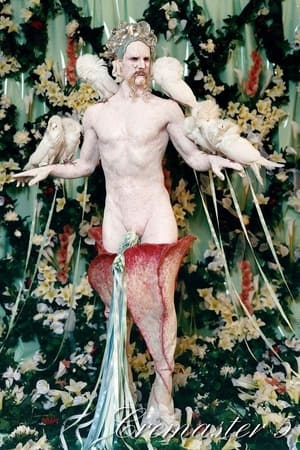
CREMASTER 5 is a five-act opera (sung in Hungarian) set in late-ninteenth century Budapest. The last film in the series, it represents the moment when the testicles are finally released and sexual differentiation is fully attained. The lamenting tone of the opera suggests that Barney invisions this as a moment of tragedy and loss. The primary character is the Queen of Chain (played by Ursula Andress). Barney, himself, plays three characters who appear in the mind of the Queen: her Diva, Magician, and Giant. The Magician is a stand-in for Harry Houdini, who was born in Budapest in 1874 and appears as a recurring character in the Cremaster cycle.
Bela
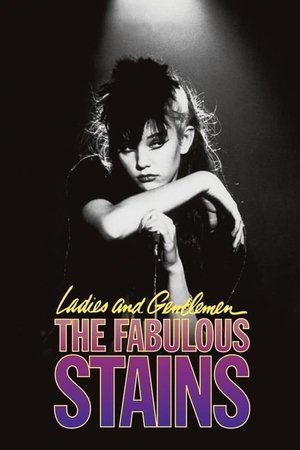
Corrine Burns retreats far into plans for her band, The Fabulous Stains, after her mother's death.
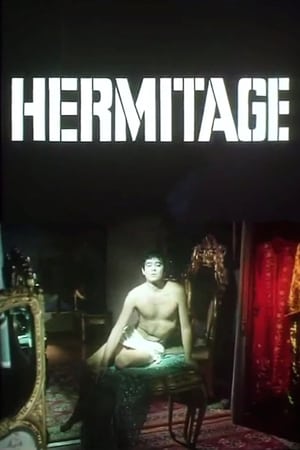
Hermitage, defined by Bene as "a rehearsal for lenses", beyond any literal rendition - its narrative trace comes from one of his anti-novels, Credito Italiano V.E.R.D.I - displays his immediate attitude to thinking a cinematic language completely based on actor's movements and actions, and more specifically, on his presence and his schemes. Camouflaged or naked, still or moving, his body seems to play and be played at the same time, shifted by objective and subjective tensions, both metaphorically and visually speaking.
A Hollywood actor grows tired of making the same corporate movies, so he moves to Argentina to find more experimental and meaningful work.
Ion is a seemingly normal guy whose life goes by without a hitch. A phone call; a meeting with a friend; small, unimportant everyday situations. One day he gets into a car with two other people. They cross the border between Spain and France. The next morning, their lives will change forever.
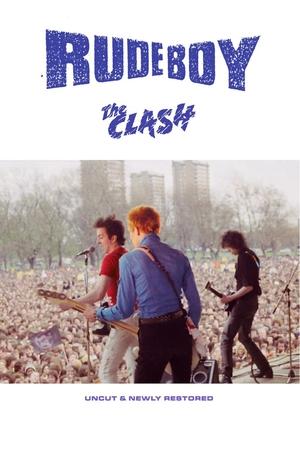
Rude Boy is a semi-documentary, part character study, part 'rockumentary', featuring a British punk band, The Clash. The script includes the story of a fictional fan juxtposed with actual public events of the day, including political demonstrations and Clash concerts.
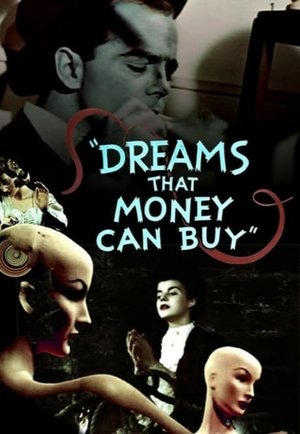
An attempt to bring the work of surrealist artists to a wider public. The plot is that of an average Joe who can conjure up dreams that will improve his customer's lives. This frame story serves as a link between several avant-garde sequences created by leading visual artists of their day, most of whom were emigres to the US during WWII.
A normal boy receives a blow to the head which sets him off to perform rebellious acts.