Irrécupérables ?
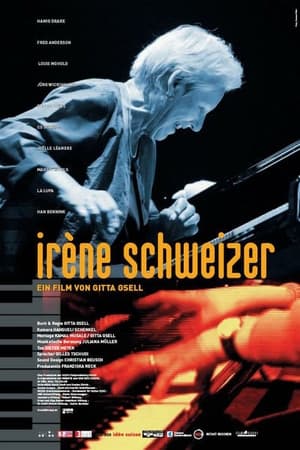
It's there, it's been Irène Schweizer's faithful companion for over 40 years, sharing her joys and sorrows, inspiring her and allowing her to live her dreams: her piano.
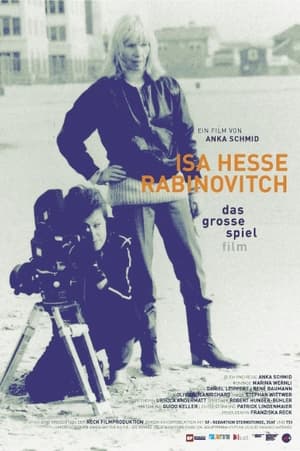
A true pioneer of Swiss cinema, Isa Hesse-Rabinovitch (1917-2003) followed an unusual path throughout her life. The daughter of Judeo-Russian immigrants, she grew up in Zurich. She married a son of Hermann Hesse, with whom she had three children. Influenced by the artistic work of her parents, she worked as an illustrator, then as a reporter and photographer, always mindful of her independence. At the age of fifty, she began making films. Her first experimental shorts immediately earned her invitations to various film festivals and a resounding response abroad.
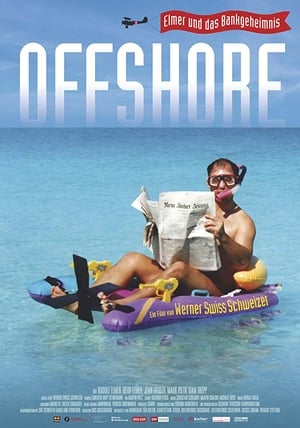
While managers of Swiss banks in the USA ruefully apologize for their tax evasions practices and customer data is disclosed to the American authorities, Rudolf Elmer, former auditor at bank Julius Bär, is indicted for violating the Swiss banking secrecy law on the Cayman Islands. Rudolf Elmer: from insider to critic.
Jean-Jacques Rousseau, tout dire
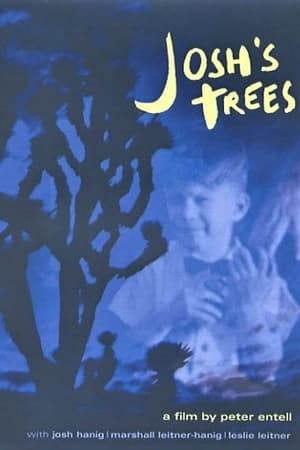
Josh's Trees
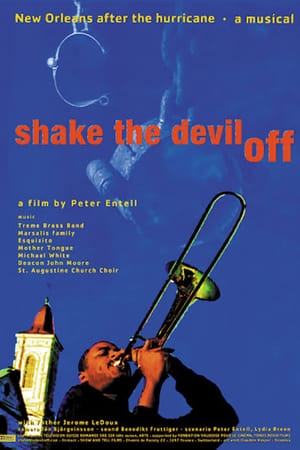
Shake the Devil Off
Si pensava di restare poco
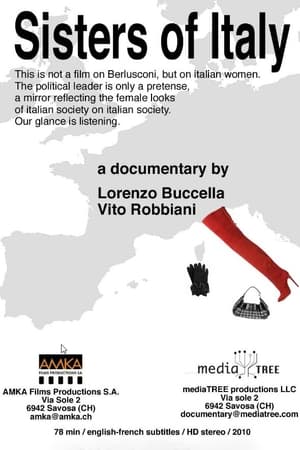
Sorelle d'Italia
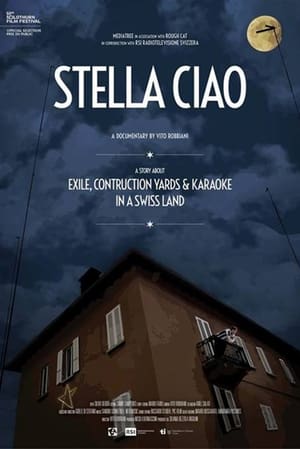
Stella ciao
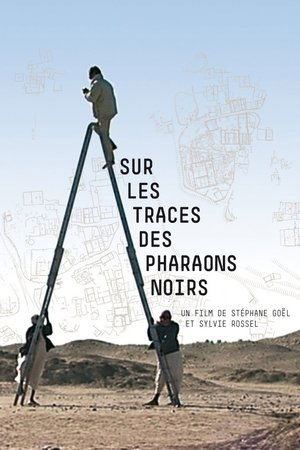
Sur les traces des pharaons noirs
Soeurs
A touching and delicate portrait of four remarkable Ethiopian women, struggling with the poverty and insecurity of urban life in Addis Ababa.
System Error
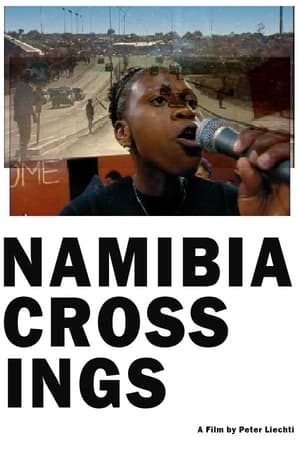
“Namibia Crossings” takes a trip through a country of archaic beauty and bizarre contradictions. The film creates polyphonies of soulful landscapes made up of each individual's highs and lows.
Bach rencontre Buxtehude
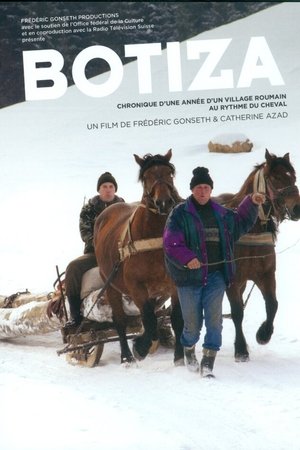
Botiza
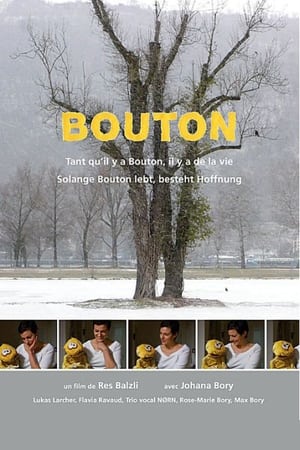
Bouton
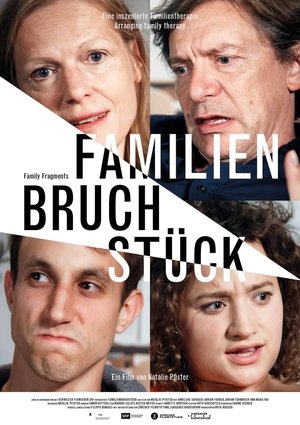
The film reconstructs the memories of a divorced family with empathy yet merciless precision. An intimate family story emerges during the investigation into the reasons for the separation. Hinging on the subtle and touching testimonies of the family members, the film delves into complex interrelationships. Actors bring the family's memories alive as if they were their own. The result is a chronicle of a family drama, which the real protagonists complement and comment on – a reflection on the mechanisms and dynamics shaping and directing their family life over the years.
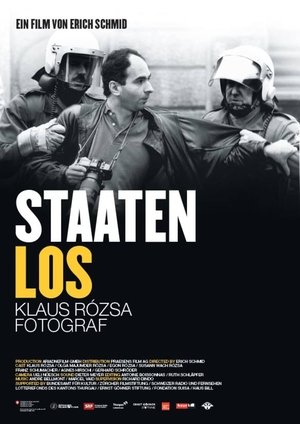
Klaus Rozsa, a well-known and politically active photographer, lived in Zurich for decades as a stateless individual. All of his applications for naturalisation were refused on political grounds. In 1956 he fled Hungary, growing up in Switzerland with a Jewish father who had survived Auschwitz and Dachau. Due to the extreme proximity of such a fate, the camera led him repeatedly to places where injustice was done. It was this particular quality of his camerawork that proved fateful for him.