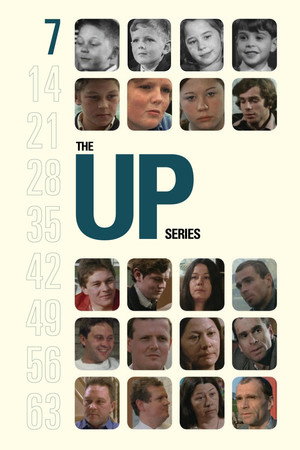
49 Up is the seventh film in a series of landmark documentaries that began 42 years ago when UK-based Granada's World in Action team, inspired by the Jesuit maxim "Give me the child until he is seven and I will give you the man," interviewed a diverse group of seven-year-old children from all over England, asking them about their lives and their dreams for the future. Michael Apted, a researcher for the original film, has returned to interview the "children" every seven years since, at ages 14, 21, 28, 35, 42 and now again at age 49.In this latest chapter, more life-changing decisions are revealed, more shocking announcements made and more of the original group take part than ever before, speaking out on a variety of subjects including love, marriage, career, class and prejudice.
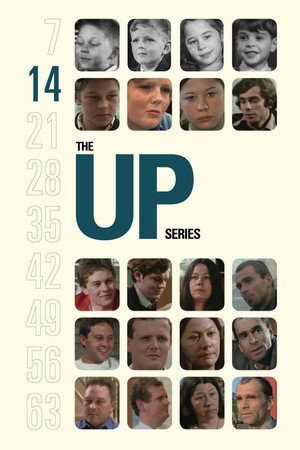
After another 7 year wait, director Michael Apted revisits the same group of British-born children from Seven Up! and 7 Plus Seven. The subjects are interviewed as to the changes that have occurred in their lives during the last seven years.

Just two years away from turning 30, participants in Michael Apted's documentary series are facing serious questions of identity and purpose, wondering whether they've found their place in the world.
Director Michael Apted revisits the same group of British-born adults after a 7 year wait. The subjects are interviewed as to the changes that have occurred in their lives during the last seven years.
A group of British children aged 7 from widely ranging backgrounds are interviewed about a range of subjects. The filmmakers plan to re-interview them at 7 year intervals to track how their lives and attitudes change as they age.
After a 7 year wait, director Michael Apted revisits the same group of British-born children from Seven Up! The subjects are interviewed as to the changes that have occurred in their lives during the last seven years.
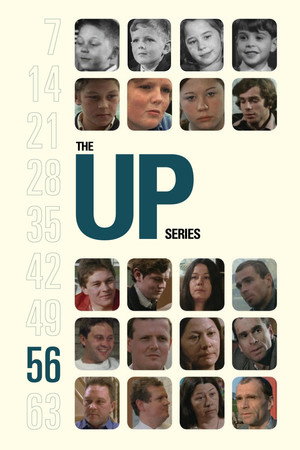
When a cross-section of seven-year-olds were interviewed for 7 Up in 1964 it was immediately evident that their social backgrounds influenced their attitudes towards life. While the upper class children were confident and self-assured, those from middle and working class backgrounds were resigned to a challenging life of hard work. This premise was put to the test every seven years when the same group were interviewed about the progression of their lives. 49 years in the making, the changes that occurred to the original 14 make for fascinating television and are in many ways the stories of all our lives. From success and disappointment, marriage and childbirth, to poverty and illness, nearly every facet of life has been captured on film. Now, at the age of 56, the group are once more brought together and, with the benefit of hindsight, assess whether their lives have been ruled by circumstance or self-determination.
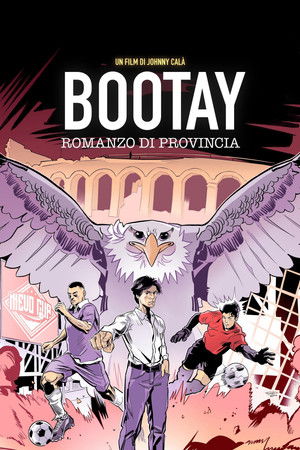
Bootay - Romanzo di provincia
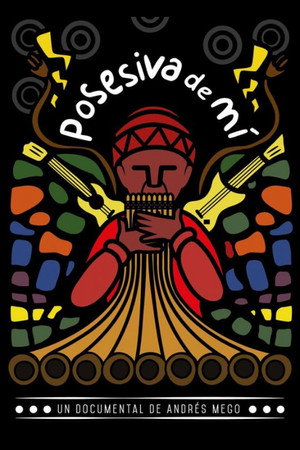
The story of a Peruvian group that wanted to "write the facts of the future universal history," and had to face their own limitations as well as the ones imposed by the times they lived in, the 80's, a decade troubled by the political crisis and violence. The political passion, the alienation, and the search for recognition are some of the ingredients in this musical story.
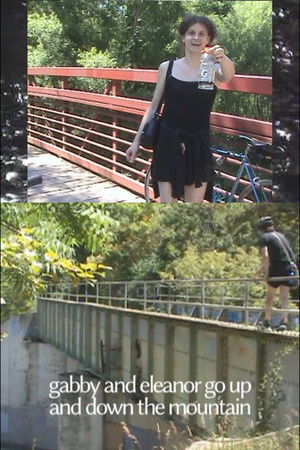
2 girls have a bicycle adventure in beautiful Hamilton
Some of the generation’s most iconic creators reflect on how the cohort once synonymous with slacking came to leave such an indelible impression on the culture.
Mit fremden Augen gesehen
Saint-Étienne : ville secrète
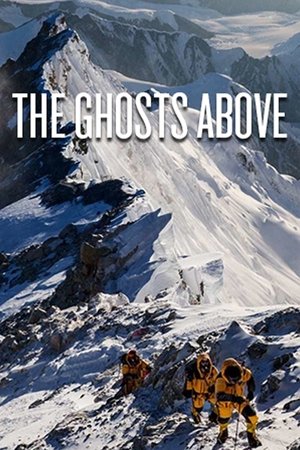
Photographer and filmmaker Renan Ozturk joins an expedition to solve the Mount Everest mystery of who reached the summit first. The film follows the intense expedition and the team's conflicting emotions as they push up Everest searching for the long lost body of Andrew "Sandy" Irvine, who disappeared along with climbing partner George Mallory in their 1924 attempt to reach the summit.
Upcoming National Geographic documentary.
In the Wulu village of the indigenous Bunun people deep in the mountains of southeastern Taiwan, a visiting Han Chinese director poses a question: "Even this unique culture will disappear sooner or later, don't you think?" The village used to be isolated by the mountains, but since a new road opened to traffic and exposed them to the outside world, the villagers have become concerned about passing on the Bunun language, music and weaving in order to protect their traditional culture.
America has yet to heal from the trauma of its darkest era, and Winfred Rembert is living proof of that. Rembert, who lived on a plantation, joined the civil rights movement as a teen and was put to work on a chain gang, is a rare survivor of a lynching attempt. Decades later, he still carries the scars. “That lynching is on my back, and it’s dragging me down, even today,” he says. As he etches the history, bloodsoaked and cruel, into leatherwork, fellow artist Dr. Shirley Jackson Whitaker organizes a different kind of ceremony to search for healing. “It’s not just black history,” she says. “This is American history.”
Documentary about the history of the bateyes, informal settlements surrounding the mills to house workers. Throughout the film, Sara Gómez recovers the political and cultural relevance of black migrants.
Das Pfefferminz-Experiment
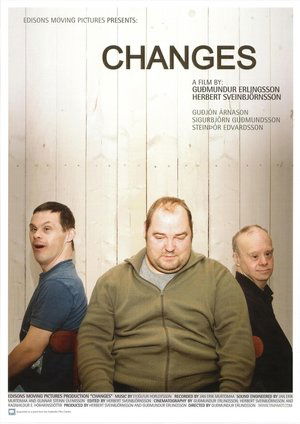
Tímamót, or Changes in English. An upbeat, heartwarming story about Gudjon, Sigurbjorn and Steinthor who lived together for decades along with several other inhabitants in the Tjaldanes Institution, in a peaceful valley close to Reykjavik. When a decision is made to close down the institution, their life takes an unexpected turn and they discover a new side to life and to themselves.