"Race d’Ep!" (which literally translates to "Breed of Faggots") was made by the “father of queer theory,” Guy Hocquenghem, in collaboration with radical queer filmmaker and provocateur Lionel Soukaz. The film traces the history of modern homosexuality through the twentieth century, from early sexology and the nudes of Baron von Gloeden to gay liberation and cruising on the streets of Paris. Influenced by the groundbreaking work of Michel Foucault on the history of sexuality and reflecting the revolutionary queer activism of its day, "Race d’Ep!" is a shockingly frank, sex-filled experimental documentary about gay culture emerging from the shadows.
According to a study published last year, 22% of 18-30 year olds consider themselves non-binary, neither totally male nor totally female, and prefer to see gender as a specter. Meeting with Marie Cau, the first transgender mayor elected in France, became a symbol for many. Lilie, 8, and Lilo, 15, have decided to free themselves from the eyes of others and start a transition. We have followed them in their daily lives to understand their journey, the questions they ask themselves, and the difficulties they encounter. Océan, director and actor, filmed all the stages of his transition from "Woman to Man". He will give us his perspective on this revolution of the genre. And the artists Bilal Hassani and Kiddy Smile will explain to us this new way of understanding their identity, by playing with the codes of the masculine and the feminine.
Katie Couric travels across the U.S. to talk with scientists, psychologists, activists, authors and families about the complex issue of gender.
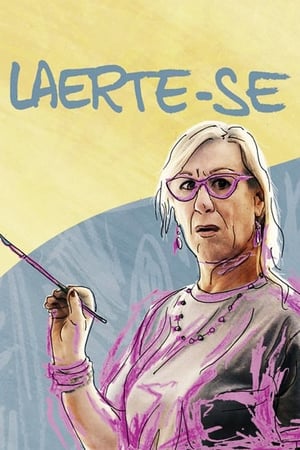
Deep Brazil. Between drifting through a city in the interior of Mato Grosso on the banks of the BR-163, we follow moments of the routine of Ana Rúbia, who is preparing for the launch of the book “School Memories of Travestis”.
In both amateur and professional sports, being gay remains taboo. Few dare to come out of the closet for fear of being stigmatized, and for many, the pressure to perform is compounded by a further strain: whether or not to affirm their sexual identity. Standing on the Line takes a fresh and often moving look at some of our gay athletes, who share their experiences with the camera. They’ve set out to overcome prejudice in the hopes of changing things for the athletes of tomorrow.
The film follows the story of Jamie, a struggling butch lesbian actress who gets cast as a man in a film. The main plot is a romantic comedy between Jamie's male alter-ego, "Male Jamie," and Jill, a heterosexual woman on set. The film's subplots include Jamie's bisexual roommate Lola and her cat actor Howard, Lola's abrasive butch German girlfriend Andi, and Jamie's gay Asian friend David.
Contrary to the public stereotype of a youthful homosexual community, gay men and women do grow old. Silent Pioneers presents an upbeat focus on the lives of these people today, showing them living full and diverse lives and sharing concerns on ageing, health and housing, with other senior citizens. It also considers how support networks within the gay and lesbian community have enriched and strengthened their individual lives.
As a result of the Holocaust and later, AIDS, the male homosexual community has sustained bitter losses and, according to Praunheim, lesbian women have now placed themselves at the head of the so-called queer movement. The female protagonists in the film represent two different generations; they also incorporate the past and present status of homosexuals in society.
Personal diary-style documentary of German Gay rights activist Von Praunheim's sojourn in the US.
Documentary on the growth of Toronto's gay community including positive developments as well as the infamous "Operation Soap" where the Toronto Police raided gay bath houses, and the subsequent protests.
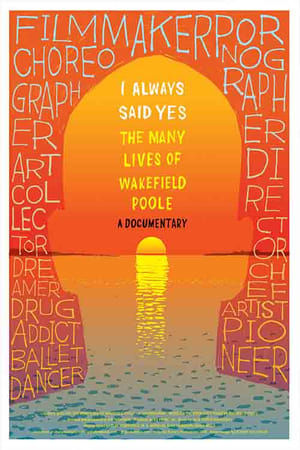
William Hart McNichols is a world renowned artist, heralded by Time magazine as "among the most famous creators of Christian iconic images in the world". As a young Catholic priest from 1983-1990 he was immersed in a life-altering journey working as a chaplain at St. Vincent's AIDS hospice in New York city. It was during this time that he became an early pioneer for LGBT rights within the Catholic church. "The Boy Who Found Gold" is a cinematic journey into the art and spirit of William Hart McNichols. The film follows his colorful life as he crosses paths with presidents, popes, martyrs, and parishioners, finding an insightful lesson with each encounter. McNichols' message as a priest, artist and man speaks to the most powerful element of the human spirit: Mercy.
Set against the backdrop of the repeal of the "Don't Ask, Don't Tell" policy, the film chronicles the journey of Lt. Col. Linda Campbell, an Air Force veteran who grappled with hiding her true self during her service tenure. While the national policy shift towards LGBTQ+ rights marks a progressive era, Linda's personal story serves as a powerful testament to the individual battles fought in the shadows of such policies. Subjected to suspicion, prejudice, and threats from her comrades due to her perceived homosexuality, Linda's resilience remain undeterred. Her unwavering love and commitment to her partner, Nancy Lynchild, culminate in a poignant milestone: their eternal rest together in Willamette National Cemetery. Intertwined with this narrative is the account of Linda's brother, Bob Campbell, who delves into their family's conservative roots, Linda's tumultuous coming out, and the eventual familial reconciliation that showcases the transformative power of love and understanding.
A contrast between two kinds of attitudes to gay liberation in Adelaide.
“I Beg You To Like Me”, serves as a testimony of individuals who felt oppressed about their body image for not meeting the standard beauty criteria, and demonstrates how a reckless language based on others’ physical appearance could turn violent. It aims to achieve much more than simply stating the obvious, which is that we are not obligated to submit to the ideal beauty standards dictated by the media, consumerism and the beauty industry. The intimate stories about one’s own body image as told by women, men, disabled people and LGBT individuals make it apparent that any one of us could end up being a victim and a perpetrator at the same time. What if, this iconic body image is nothing but an unobtainable fallacy? “Is it not yet the time to openly discuss the conventional perception of beauty, and step up onto the catwalk in our actual likeness?
Stories of 12 gay and lesbian survivors of Nazism and the Holocaust.
Originally broadcast on ABC's True Stories in 1993, Feed Them to the Cannibals tells the story of Sydney's Gay and Lesbian Mardi Gras. It was the first time cameras were allowed at Sleaze Ball and the Mardi Gras Party.
After her gender identity was denied in her homeland, Lee Li, a transgender asylum seeker, was forced to leave her country, family, and language to embark on a journey toward belonging, freedom, and self-empowerment.
A documentary that brings to light the extraordinary story of the Sacred Band of Thebes – an elite military unit composed of 150 pairs of male lovers that became one of the most formidable forces of the ancient world. It delves into the history of this little-known chapter of classical antiquity through forensic archaeology, rare archival material, ancient art, and animation. It explores how the Sacred Band rose to prominence, met its tragic end, and continues to resonate in modern discussions of identity, heroism, and love.
Meet the men, including the man claiming to have the World's biggest penis, who reveal there is a bittersweet side to nature's gift, and who lift the veil on a taboo subject and to show the reality of what it's like to have what all men dream of.
Since they were children, every summer they used to participate together in the traditional carnivals of their hometown. This magical celebration, transform men of the community into dionysiac figures with makeup, coloured costumes, glitter and feathers. Alcohol, friendship and parties out of control become the limelight. Boundaries get blurred with the heat of the sun at the edge of the imposing Paraná River.