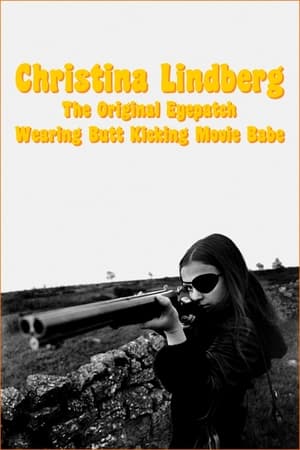
A look at the life and work of Christina Lindberg, the most famous Swedish model of the 1970s and star of exploitation cinema.
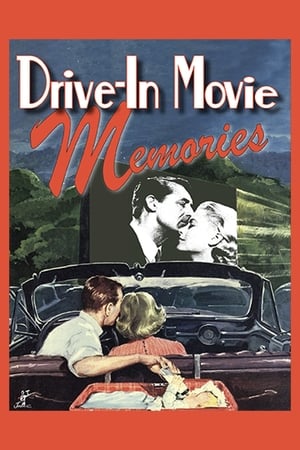
A nostalgic, informative history of drive-in movie theaters, featuring extensive archival photographs and interviews with Leonard Maltin, John Bloom, Samuel Z. Arkoff, Barry Corbin and many others... Drive-In Movie Memories is a film celebration of America's greatest icon of youth, freedom and the automobile. What began as an auto parts owner's business venture to make some easy money accidentally became a magical place where romance, fun and a sense of community flourished. This film chronicles the drive-in's birth and development, its phenomenal popularity with audiences of all ages, its tragic decline, and its inevitable comeback as a classic form of Americana.
Jump into the world of Film Noir and look at how the technology and economic factors gave birth to a genre that still deeply influences the way filmmakers work today. Take a look at 4 Film Noirs spanning the beginning and end of the classic film noir era: "The Stranger on the Third Floor", "Double Indemnity", "The Big Combo" and "Touch of Evil".
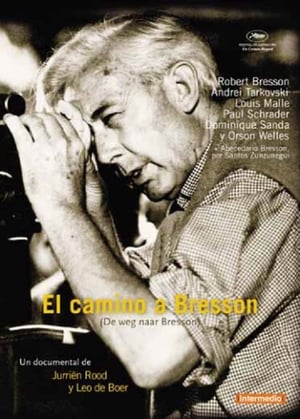
A Dutch documentary about legendary French filmmaker Robert Bresson.
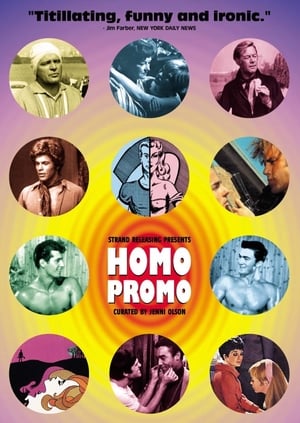
Here are theatrical trailers for 27 mainstream and art-house films, presented chronologically from "Tea and Sympathy" to "Outrageous!" This spectacular showcase of vintage movie trailers offers a crash course in lesbian, gay, bi and transgender (LGBT) movie history and a colorful look at nearly every major mainstream queer-themed film produced between 1953 and 1977! Archivist Jenni Olson is one of the world’s leading experts on LGBT film history — curated from her private collection of rare original 35mm coming attractions trailers, Homo Promo has entertained audiences at LGBT film festivals around the world offering a campy cavalcade of coming attractions. Please note: The condition of these original 35mm archival prints varies — enjoy the wear and tear and rest assured that they have now all been donated to the Outfest/UCLA Legacy Project for LGBT Film Preservation where they are now being properly cared for.
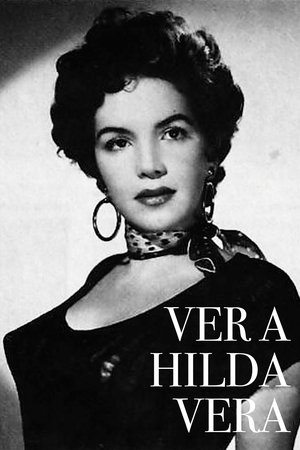
A living room, two video cameras, an armchair, two televisions and a mirror: domestic daily life in which colleagues, family and friends come together to decipher the life, personality and artistic trajectory of one of the most important actresses of Venezuelan Cinema: Hilda Vera
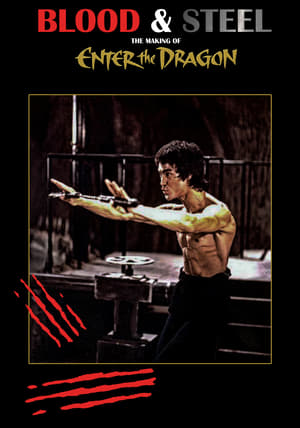
Documentary on the making of Bruce Lee's Enter the Dragon (1973).
A BFI collection of 7 short films from the USA, England and Italy scored for Piano, Guitar and String Quartet.
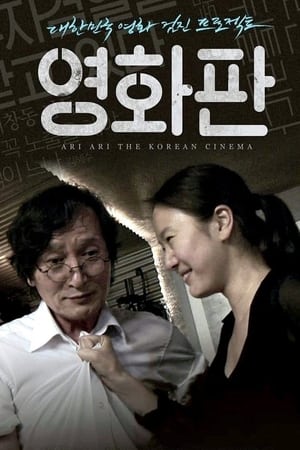
Director Chung Ji-Young criticizes the thought that older directors have difficulties in making certain movies. Actress Yoon Jin-Seo agonizes over her identity as an actress. In 2009, before the movie "Unbowed" was made, they met and planned a documentary about Korean movies, including the processes a Korean movie goes through and difficulites. "Ari Ari the Korean Cinema" is a documentary with interviews of Korean directors, actors and actresses.
With a movie camera mounted in the passenger seat of his car, Andy Anderson drove around filming his local neighbourhood of Fort Worth, Texas. The procession of sunny lawns and quiet houses has a day-dreamy innocence, however on the soundtrack, a narrator recites from the police records of over 600 crimes committed in the area. Domestic violence, petty theft, drug related assault; the list of vicious and hapless actions unfolds randomly, "a woman said her husband punched her in the face when he asked her for ten dollars and she didn't have the money. theft; two lawnmowers.." In a powerful counterpoint of sound and image Drive By Shooting creates a two hour-long surveillance film that misses all the action, yet evokes a sense of vulnerability on the streets and violence behind closed doors.
A retrospective interview with director Werner Herzog.
An insight into 5 queer film festivals accompanied with the discussion about the importance of queer film festivals, queer film and people's experience with both.
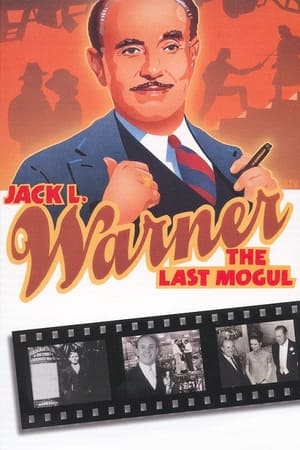
An insider's account of Jack Warner, a founding father of the American film industry. This feature length documentary provides the rags to riches story of the man whose studio - Warner Bros - created many of Hollywood's most classic films. Includes extensive interviews with family members and friends, film clips, rare home movies and unique location footage.
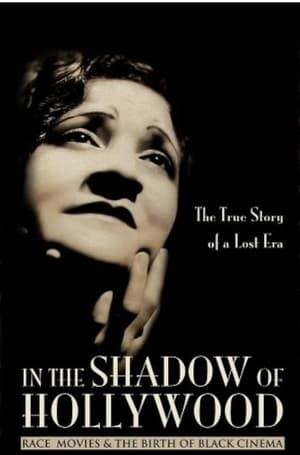
This documentary captures the sounds and images of a nearly forgotten era in film history when African American filmmakers and studios created “race movies” exclusively for black audiences. The best of these films attempted to counter the demeaning stereotypes of black Americans prevalent in the popular culture of the day. About 500 films were produced, yet only about 100 still exist. Filmmaking pioneers like Oscar Micheaux, the Noble brothers, and Spencer Williams, Jr. left a lasting influence on black filmmakers, and inspired generations of audiences who finally saw their own lives reflected on the silver screen.
... because it's Halloween.
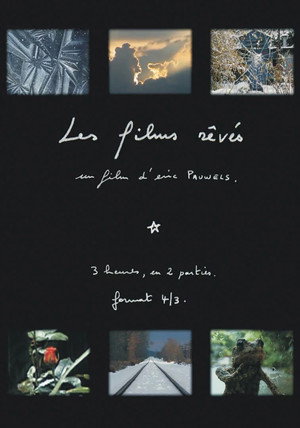
Belgian filmmaker Eric Pauwels' meditation on dream, travel and film.
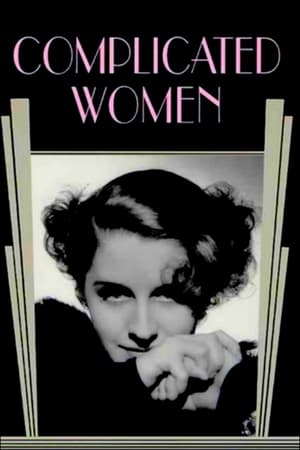
Looks at the stereotype-breaking films of the period from 1929, when movies entered the sound era, until 1934 when the Hays Code virtually neutered film content. No longer portrayed as virgins or vamps, the liberated female of the pre-code films had dimensions. Good girls had lovers and babies and held down jobs, while the bad girls were cast in a sympathetic light. And they did it all without apology.
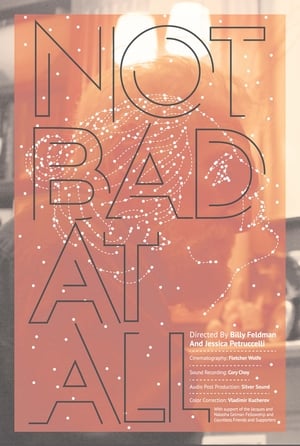
Every weekend for six years, Jessica takes a bus from NYC, where she lives and works as a set decorator, to Boston, her hometown, where she cares for her dad, Aloysius, who is 87 and has advanced Alzheimer's disease.
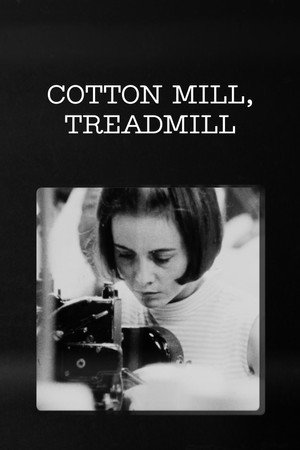
Director Denys Arcand made an inquiry on textile industry in Quebec, meeting employers and workers of that industry.
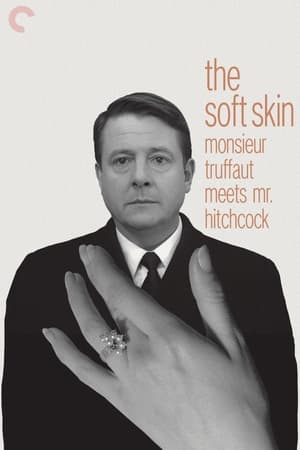
When Francois Truffaut approached Alfred Hitchcock in 1962 with the idea of having a long conversation with him about his work and publishing this in book form, he didn't imagine that more than four years would pass before Le Cinéma selon Hitchcock finally appeared in 1966. Not only in France but all over the world, Truffaut's Hitchcock interview developed over the years into a standard bible of film literature. In 1983, three years after Hitchcock's death, Truffaut decided to expand his by now legendary book to include a concluding chapter and have it published as the "Edition définitive". This film describes the genesis of the "Hitchbook" and throws light on the strange friendship between two completely different men. The centrepieces are the extracts from the original sound recordings of the interview with the voices of Alfred Hitchcock, Francois Truffaut, and Helen Scott – recordings which have never been heard in public before.