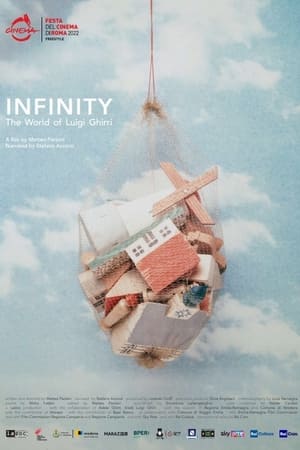
In this poetic portrayal of Luigi Ghirri (1943–1992), a master of contemporary photography, the director gives voice and, in particular the image, to the protagonist. The photographer takes the audience on a tour of the outskirts of daily life as seen from the corner of his eye, the area in between what is artificial and authentic or grand and small – the meso-scale.
A documentary on Teruo Ishii, the Japanese "King of Cult".
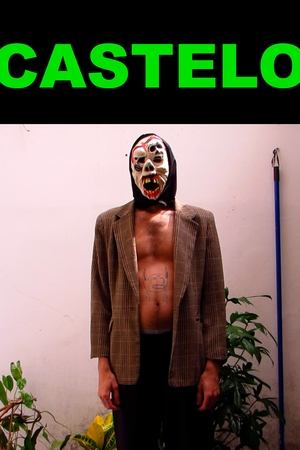
In this documentary the poet Nelson Castelo is filmed in the intimacy of his home and reflects a little about himself.
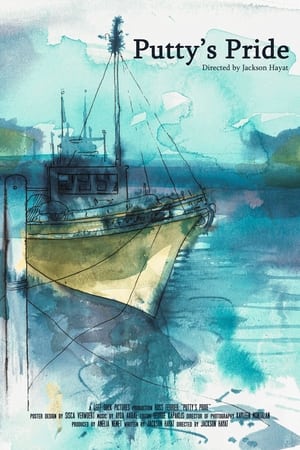
Confronted by retirement, a fourth generation fisherman grapples with the selling of the boat he built with his father.
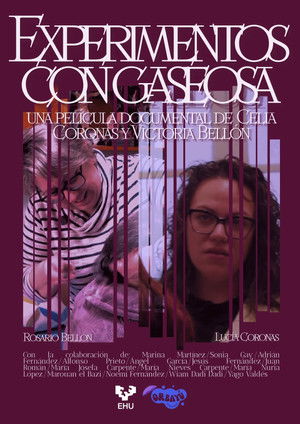
Experimentos con gaseosa
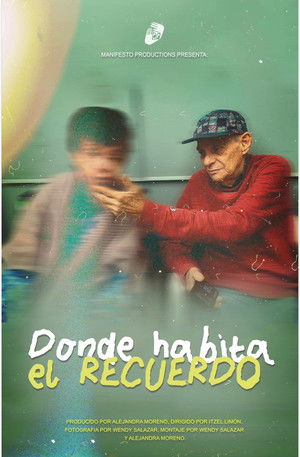
Donde Habita el Recuerdo
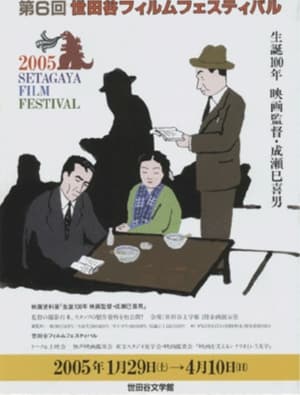
Because his style was similar to that of Yasujiro Ozu, who was already active at Shochiku, he moved to PCL (currently Toho) in 1933, where he appeared in the talkie works "My Wife, Like a Rose" and "Tsuruhachi Tsurujiro." It got attention. There were times when he was unable to make as many films as he wanted due to wartime film regulations and post-war Toho disputes, but in 1951 he revived his career with Meshi. Since then, he has released masterpieces one after another, including "Okaasan," "Lightning," "The Couple," "Wife," "Anii Mouto," "Sounds of the Mountain," and "Bangiku." The pinnacle of his work, "Floating Clouds," is Kenji Mizoguchi's "Wife." Even director Ozu was impressed, calling it a masterpiece of Japanese cinema, on par with "The Sisters of Gion." He depicted ordinary people in everyday life with an everyday realism that was not influenced by lyricism, and he consistently sought out women as his subjects.
Assassinated Lebanese intellectual Mahdi Amel — often dubbed “the Arab Gramsci” — famously said: “He who resists is never defeated.” What use is his thought to us today, and what is our responsibility as image makers to Gaza?
A glimpse into the existential angst of an idyllic summer.
An epic documentary of rise and fall of Ustasha regime in Croatia.
Pearl Gluck travels to Hungary to retrieve a turn-of-the-century family heirloom: a couch upon which esteemed rabbis once slept. En route for the ancestral divan, Pearl encounters a colorful cast of characters who provide guidance and inspiration.
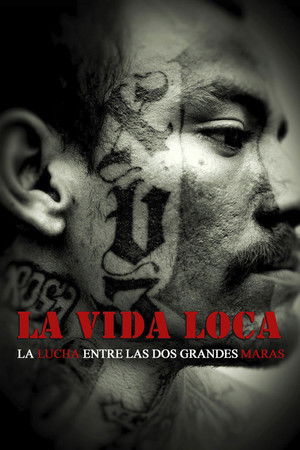
A documentary about the rival gangs Mara 18 and Mara Salvatrucha, originating in Los Angeles but terrorizing El Salvador. It explores their origins as possible founding myths of organized crime in a globalized world.
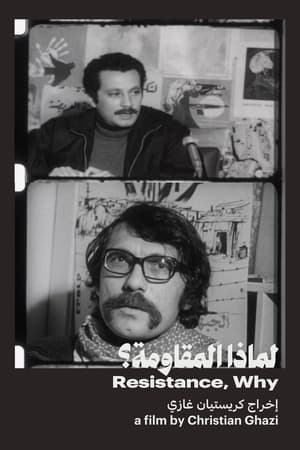
In 1970, Christian Ghazi and Noureddine Chatti met with a number of Arab political figures, especially Palestinians residing in Lebanon, resulting in this piece of armed (alternative or third) cinema that captures a crucial cross-section of the Palestinian resistance in Lebanon in 1970. The film features footage of Ghassan Kanafani, Sadiq Jalal El-Azm, Nabil Shaath and other personalities who share their vision of the Palestinian revolution, tracing its history back to the early 20th century. These testimonies describe the numerous strikes and popular protests that took place in Palestine under the Ottoman occupation, followed by the British colonization and the settlement of the Jewish state in 1948. They enumerate the objectives of the struggle, emphasising the necessity for a free and democratic Palestine, defended through armed or non-armed struggle by all its citizens, men and women of various affiliations.
Les voyages de L'Atalante
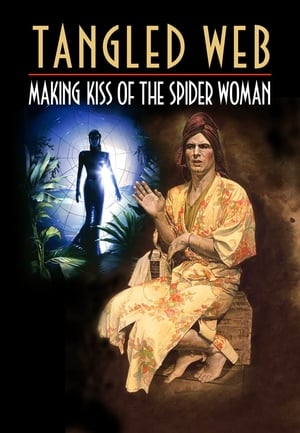
Rare documents and details of the film's story. From its initial option to its critical reception and legacy. Director David Weisman, who also produced "Kiss of the Spider Woman", comes off as rightful creative force behind the production, as it was his true passion. Very detailed comments from all the participants, from the author of the book to the lawyer for the production company, the actors, director, writers, producer, and crew members.
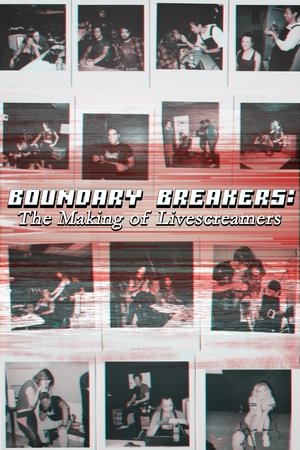
Follow the cast and crew of Livescreamers across their five day shoot, and go deep behind the scenes of how the innovative horror film was brought to life.
Through an intimate conversation, Steph Jane, age 28, shares the struggles and lessons her second diagnosis of stage-4 cancer has taught her. From being genuinely present and savouring simple moments to thoughts of the future and what really matters, Steph reveals beauty and wisdom which transcend appearance and years.
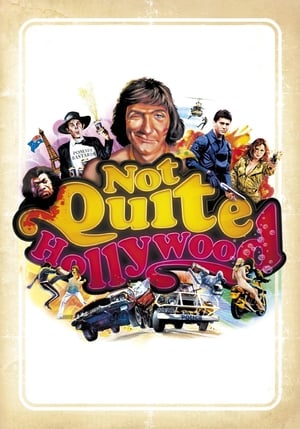
As Australian cinema broke through to international audiences in the 1970s through respected art house films like Peter Weir's "Picnic At Hanging Rock," a new underground of low-budget exploitation filmmakers were turning out considerably less highbrow fare. Documentary filmmaker Mark Hartley explores this unbridled era of sex and violence, complete with clips from some of the scene's most outrageous flicks and interviews with the renegade filmmakers themselves.
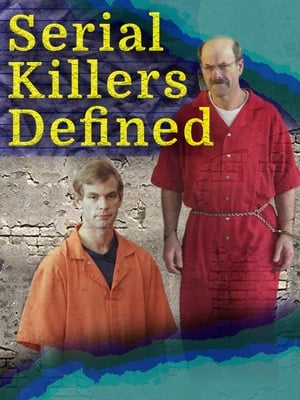
Take a chilling tour through the twisted minds of some of the most violent serial killers including Jeffrey Dahmer and the BTK killer. What defines a serial killer? What makes them tick? These questions and more are answered in this horrific account of true events.
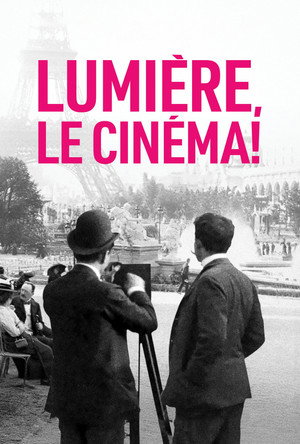
In one of those wonderful coincidences of history, lumière, the French word for “light,” was also the last name of brothers Auguste and Louis, whose brilliant invention, the cinematograph, helped to inaugurate the most beloved art form of the last 130 years. Institute Lumière director Thierry Frémaux uses Lumière, Le Cinema! to guide the viewer through over a hundred shorts—some famous, some forgotten, some never before seen—directed by Lumière and company. In the process, Frémaux illuminates how the brothers employed the camera as a creative instrument as they (and their operators) mastered framing, staging, and subject selection for quotidian and exotic microdocumentaries as well as the first ever fictional motion pictures. The result is not only a glorious re(telling) of the genesis of cinema but a profound meditation on the beautiful world captured—and the mysterious world imagined—by the Lumières.