Oldemors reise
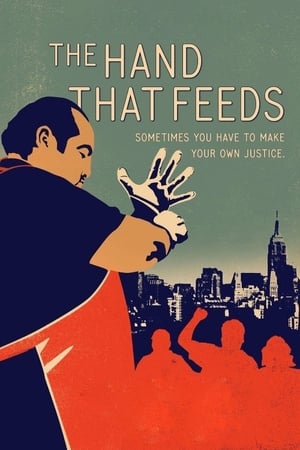
Behind the scenes of a popular deli on New York's Upper East Side, undocumented immigrant workers face sublegal wages, dangerous machinery, and abusive managers. Mild-mannered sandwich maker Mahoma López has never been interested in politics, but in Jan. 2012, he convinces a small group of his co-workers to fight back. Risking deportation and the loss of livelihood, the workers team up with a diverse crew of innovative young organizers and take the unusual step of forming an independent union, launching themselves on a journey that will test the limits of their resolve. In one rollercoaster year, they must overcome a shocking betrayal and a two month lockout. Lawyers will battle in backroom negotiations, Occupy Wall Street protesters will take over the restaurant, and a picket line will divide the neighborhood. If they can win a contract, it will set a historic precedent for low-wage workers across the country. But whatever happens, Mahoma and his compañeros won't be exploited again.
A young immigrant arrives in Canada from France, and brings his Citroën 2CV with him. The iconic post-war car stands out on the streets of Vancouver, and before long he meets up with a group of like-minded car buffs.
This short film traces the journey of the first Ukrainian settlers in Canada. Seeking freedom and opportunity, they came here and became instrumental in helping to open the Canadian West. Though they had little in the way of money or machinery, they had courage and faith in the future and were willing to put in the hard work. Every member of the family helped in the struggle, and in time, their efforts paid off.
In a small commercial harbour in the south of France, two Moroccan sailors are watching over ferries that were abandoned by ship-owners. Young Syrians make a stopover to load their cattle, African traders prepare a convoy of second-hand vehicles. Men, machines, and animals transit through this space open onto the sea.
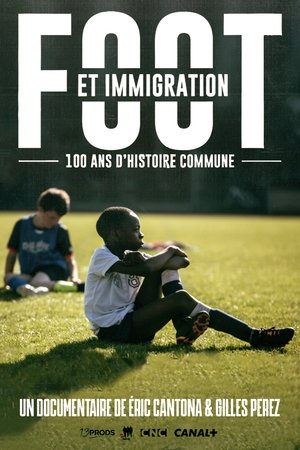
Football is both the place, the crystallization of sporting passion and the witness of identity imaginations. It is also an interesting and relevant area for discussing the migration issue. From the 1930s to the present day, football, notably with the composition of the French team, has reflected the plurality of the French population. Raymond Kopa, Michel Platini, Zinedine Zidane, Basile Boli... these four footballers alone illustrate the four major waves of immigration that France has experienced.
Through the personal memory of the view of the director who in first person re-lives, after fifty years, the journey of his family towards Argentina, where he was born, on the inside of the last emmigration groups of people from Piedmont in 1948. This journey of memory and emotions gradually becomes an outline for the analysis of the situation of the emmigrants from Piedmont and of their presence from after the war until today in Argentina from the time of Peron until the economical crises through the blood thirsty and dark period of the military dictatorship.
This documentary focuses on immigrant teens between the ages of 12 and 17 who share the story of their migration and their adaption to life in Canada through theatre. Young but wise, these children describe their experiences with emotion and authenticity.
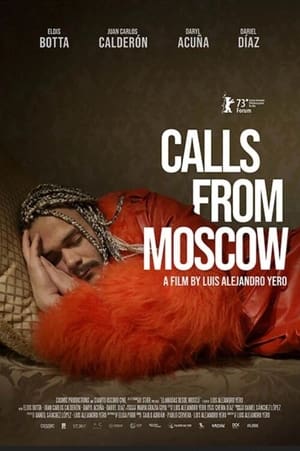
A prefabricated estate in Moscow is meant as a transit stop for four queer Cuban exiles – until Russia’s attack on Ukraine radically shifts their outlook. Moving telephone calls back home provide the structure of Luís Alejandro Yero’s debut work.
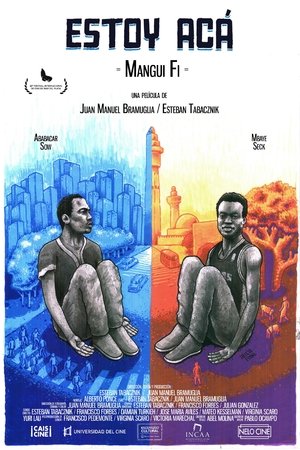
For Ababacar and Mbaye - two Senegalese immigrants who met and established a great friendship in Buenos Aires - the challenge goes beyond adapting to the customs and living conditions in Argentina, or dealing with the indifference and racism they suffer on a daily basis: both came to an instance of their lives in which they must define a course, and in turn accept that their identities and needs have become more complex. The decision to leave their country was driven by the urgent objective of financially supporting their families, but the stay in Buenos Aires crossed them with new people, new ways of seeing things, and even an economic situation different from that which they found at home. Their different ways of seeing things allow them to see in each other a different version of themselves.
An immigrant lost in Santiago's subway discovers that the city he inhabits conceals a buried secret: Santiago was founded over a cusco, an administrative center of the Tahuantinsuyo Empire. Through his wandering across the city and the testimony of pre-Columbian history researchers, the film reconstructs the Inca presence in the Mapocho Valley and proposes a decolonial reading of Chilean urban territory.
Artistic director of the National Theater Eric de Vroedt writes and directs a performance about his own mother Winnie, who passed away in 2020. This piece, titled The Century of My Mother, is a family story about the migration from the Dutch East Indies to the Netherlands. It is De Vroedt's way of examining the relationship with his mother and not having to say goodbye to her yet: 'I can let her live on stage, but when the curtain falls, when the play is completely finished, then she is really dead'.
90's era home videos of a Mexican father starting a new life in the United States
HOMME-RELAIS spotlights Juan Manuel, a doctor turned community leader who, amid migration grief and integration challenges, guides immigrant men through a life-changing program: forging resilience, belonging, solidarity, and hope.
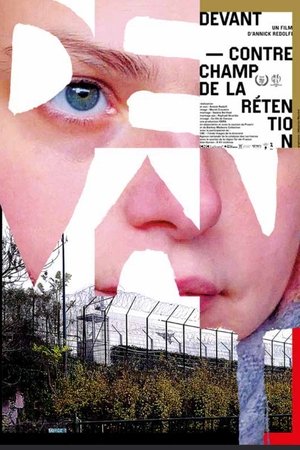
Pauline, Norah, Kristina and others wait for hours, sitting under a hut deep in the Bois de Vincennes. In front of the administrative detention center (CRA) in Paris, they have all come to see their loved ones locked up. Lives on hold, awaiting deportation or release. On this stage, these women tell their stories, talk to each other, share their experience, their revolt and their dreams with new visitors. They are the mirror of migrant detention, its reverse view.
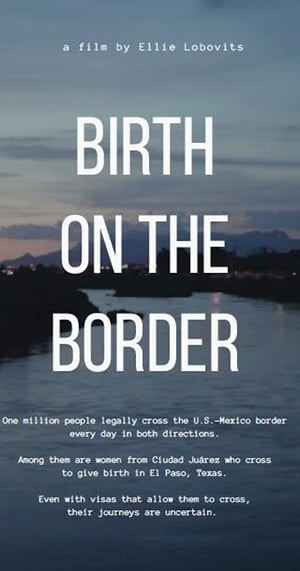
One million people legally cross the U.S.-Mexico border every day in both directions. Among them are women from Ciudad Juárez who cross to give birth in El Paso, Texas. Even with visas that allow them to cross, their journeys are uncertain. Gaby and Luisa, two women from Ciudad Juárez, cross legally into El Paso, Texas, in order to give birth. Two Chicana midwives in El Paso, Lina and Sandra, support the women who cross. After living through the extreme violence that engulfed Ciudad Juárez from 2008-2012 and with the looming threat of obstetrical violence in Mexican hospitals, Gaby and Luisa choose to cross, seeking a safer future for their children and the opportunity for natural childbirth with midwives. They risk losing their visas, getting turned back, and harassment at the hands of U.S. Border Patrol. Against the backdrop of oppressive U.S. border policy, these women's stories of risk and resilience reveal the complexities of life on the U.S.-Mexico border.
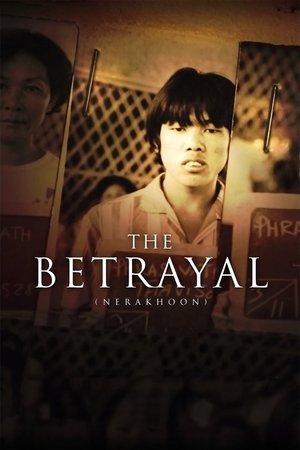
Co-directed by acclaimed cinematographer Ellen Kuras and subject Thavisouk Phrasavath, this haunting documentary chronicles a refugee family’s epic journey from Laos in the aftermath of the secret war waged by the United States there to New York, where they find themselves fighting a different kind of war on the streets of Brooklyn. Filmed over the course of 23 years, THE BETRAYAL is a visually and emotionally stunning look at the complex ways in which the political shapes the personal.
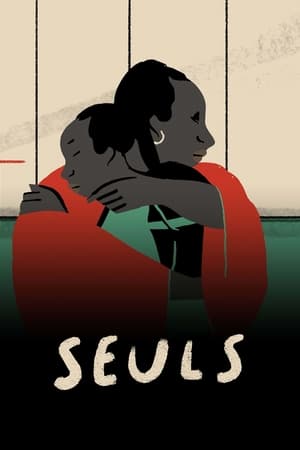
Fearing for their lives, Afshin, Alain and Patricia fled their country, without their parents, when they were only children. They had to start all over here in Canada in the hope of a better life. Combining real shooting and animated cinema, "Alone" bears the imprint of hope: how does a child manage to rebuild himself in a new country, when he has left everything behind?
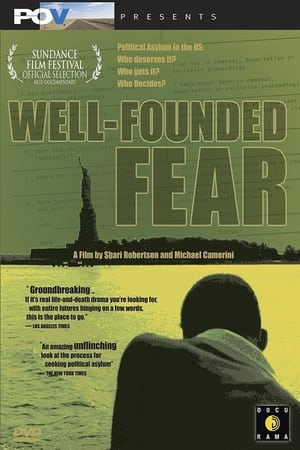
Examines how the Immigration and Naturalization Service decides who will be granted asylum in the United States. The applicant must have a "well-founded fear" of persecution in his or her home country. Despite true and terrifying stories of torture and mistreatment, it's often up to how well the translator presents the case and how sensitive are the ears of the asylum officer to decide a person's fate.
War of Cents