Unable or unwilling to conform to the rigid atmosphere of Washington and Lee College as a freshman, Ed bailed out after a brief stint there to attend—and graduate from—Miami of Ohio. After graduate work at UK, he left for the Left Coast, and it suited him just fine. The first stop was a writing instructorship at Oregon State, then enrollment into the Stanford Writing Program, a move shared by Jim, Wendell, and Gurney. There he cultivated, among other things, relationships with Larry McMurtry, Robert Stone, and—most importantly—Ken Kesey. Ed didn’t just experience the 1960s; he wallowed in them. Also, a bonus interview from 1996 program, Signature Live.
A live concert experience and exclusive look into life on the road with The Jonas Brothers during their Happiness Begins concert tour.
Explore the vision behind the iconic American jazz record label. Since 1939, Blue Note artists have been encouraged to push creative boundaries in search of uncompromising expressions. Through current recording sessions, rare archive and conversations with iconic Blue Note artists, the film reveals an intimate perspective of a legacy that continues to be vital in today’s political climate.
Hubert von Goisern - Brenna tuat's schon lang
The first major uprising against police brutality, harassment, and societal oppression was not at Stonewall in 1969, but at Compton's Cafeteria in San Francisco three years earlier. Those who stood up were trans women and gay men. Now, nearly 40 years on, Susan Stryker and Victor Silverman tell the story of this oft-overlooked event in the history of American civil rights.
Mike Porcel is the lost member of the Cuban Nueva Trova musical movement. His lack of “revolutionary spirit” condemned him to the scorn of his peers and made him a pariah for a decade, until he managed to go into exile. Without resentment, but without forgetting, the film reconstructs his story and revives a forgotten brilliance.
William Hart McNichols is a world renowned artist, heralded by Time magazine as "among the most famous creators of Christian iconic images in the world". As a young Catholic priest from 1983-1990 he was immersed in a life-altering journey working as a chaplain at St. Vincent's AIDS hospice in New York city. It was during this time that he became an early pioneer for LGBT rights within the Catholic church. "The Boy Who Found Gold" is a cinematic journey into the art and spirit of William Hart McNichols. The film follows his colorful life as he crosses paths with presidents, popes, martyrs, and parishioners, finding an insightful lesson with each encounter. McNichols' message as a priest, artist and man speaks to the most powerful element of the human spirit: Mercy.
À l'aube de soi
SETLIST: 1 Burn The Witch -- 2 Daydreaming -- 3 Ful Stop -- 4 2 + 2 = 5 -- 5 Myxomatosis -- 6 My Iron Lung -- 7 Climbing Up The Walls -- 8 No Surprises -- 9 Pyramid Song --10 Bloom --11 Identikit --12 The Numbers --13 The Gloaming --14 Weird Fishes Arpeggi --15 Everything in Its Right Place and Ideoteque --16 There There --17 Let Down --18 Present Tense --19 Paranoid Android --20 Nude --21 Bodysnatchers --22 Street Spirit (Fade Out) --23 Karma Police
This is Poe and Král's first effort, shot on small-gauge stock, before their more well-known endeavor The Blank Generation (1976) came to be. A "DIY" portrait of the New York music scene, the film is a patchwork of footage of numerous rock acts performing live, at venues like Madison Square Garden, Radio City Music Hall, the dive bars of Greenwich Village and, of course, CBGB.
Driving through New York City in his Sexmobile, Dr. Harrison Rogers of the Bureau of Sexological Investigation, searches out luminary figures in the world of sex.
A portrait of Swedish troubadour Cornelis Vreeswijk.
McGruff the Crime Dog teaches children that medicines can be poisonous if they are taken by the wrong people or in the wrong amounts. He teaches also how to deal with people who try to make children take illegal drugs.
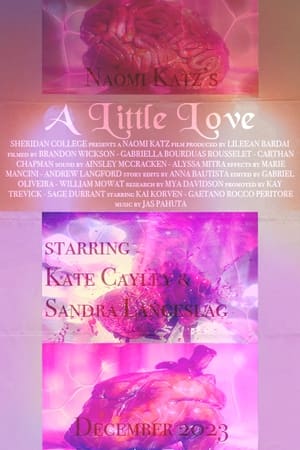
Documentarian Steve Bollman joins together scientific discovery, real-life stories and faith to investigate love.
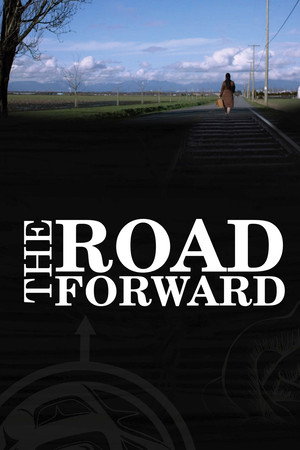
The Road Forward is an electrifying musical documentary that connects a pivotal moment in Canada’s civil rights history—the beginnings of Indian Nationalism in the 1930s—with the powerful momentum of First Nations activism today. Interviews and musical sequences describe how a tiny movement, the Native Brotherhood and Sisterhood, grew to become a successful voice for change across the country. Visually stunning, The Road Forward seamlessly connects past and present through superbly produced story-songs with soaring vocals, blues, rock, and traditional beats.
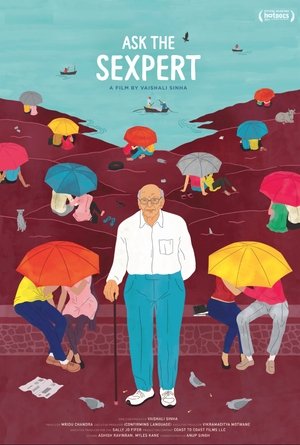
A sex columnist gains popularity even while a ban on comprehensive sex education in schools is adopted by approximately a third of India’s states.
Toronto filmmaker Charles Officer profiles the young people of Villaways Park, a housing project on brink of historic change.
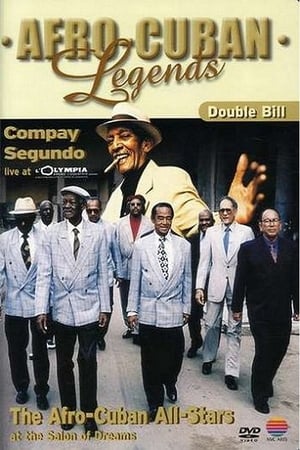
This documentary, shot entirely on location in Havana, includes many band members' insights into this revival, and features performance footage of an All-Stars' concert at the city's Salon of Dreams.
An independent rockumentary that comprises first-hand testimonials about the history of Sentimiento Muerto, the most influential band in Venezuela, as well as the projects that came after its dissolution: Dermis Tatú and PAN.
Afrocantos