In one continuous shot, SHTTL shows the lives, loves, and inner conflicts within a Yiddish speaking shtetl on the border between Ukraine and Poland - one day before the Nazi invasion of the Soviet Union.
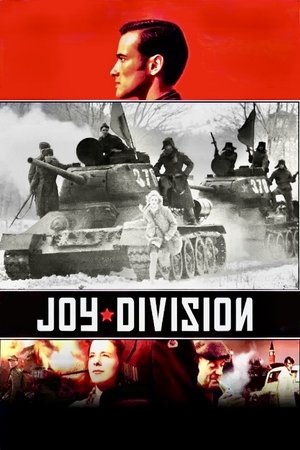
It’s the spring of 1945 in a small resort town on the Baltic. Günter is 16 and firmly believes that the Germans will win the war. During the hunt for a forced labourer who is on the run, Günter catches him and watches as he is shot to death. He proudly accepts the award of an Iron Cross before being shipped to the nearby front as part of the last contingent of troops. He is quickly captured by Soviet soldiers, but manages to escape and return home. When the town is occupied by the Red Army, Günter is arrested for the murder of the forced labourer. The film was banned in 1968 before it was completed, and a large portion of the negative was later destroyed.
After Nazi Germany invades Poland in September 1939, Russia attacks Finland two months later. Finnish reservists leave home and go to war. Brothers Martti and Paavo Hakala, farmers from the municipality of Kauhava in the province of Pohjanmaa/Ostrobothnia, serve in a Finnish platoon.
In 1939, Hitler is at the height of his power and is steering Europe into a monstrous tragedy. The young Georg Elser recognizes the danger posed by the fascist system and decides to put an end to the Führer. To do so, he builds a bomb himself, which is supposed to explode during one of Hitler's events. Everything seems to be going well until Hitler ends his appearance earlier than planned...
An orphan in 18th century London lashes out against the harrowing child labor market.
This short-form documentary focuses on the true story of Alfons Heck, who as an impressionable 10-year-old boy became a high-ranking member of the Hitler youth movement during World War II. The story is told in his own words. This film originally aired as part of the "America Undercover" series on HBO.
Jim Gordon commands a unit of the famed Flying Tigers, the American Volunteer Group which fought the Japanese in China before America's entry into World War II. Gordon must send his outnumbered band of fighter pilots out against overwhelming odds while juggling the disparate personalities and problems of his fellow flyers.
American correspondent Mike Malone uncovers a Nazi plot for an uprising of the Arab tribes in Lybia. Pursued by Sheik David and his men, Mike takes refuge in the suite of Nancy Brooks, who is in the British Intelligence. He asks her to hide a gun and escapes through a window. Reporting the affair to British Consul Herbert Forbes, the latter tries to discourage him from further investigation, as the British are aware of the plot and are planning on staging a coup. He goes with Mike to Nancy's apartment, and she denies having ever seen him before. Sheik Ibrahim, next in command of the Arab tribe to Sheik David, is plotting with Nazi agent Yussof Streyer to kill David who is friendly with the British. Mike and Nancy have gone to David's camp, escape from Ibrahim's henchmen, and get back to El Moktar before the Arabs attack the garrison.
Nehoda při holení
Bikers, Nazis, Mafiosi, and the FBI all clash in this wild and wooly exploitation picture from director Al Adamson. Mark Adams (John Gabriel) is an FBI agent who has been assigned to infiltrate an organized crime ring that has obtained a set of printing plates that will allow them to produce nearly perfect counterfeit 20-dollar bills. The plates were made in Germany during World War II, and were discovered by a radical right-wing group hoping to restore the Nazi Party to power. The American gangsters are in cahoots with a group of wealthy American neo-Nazis sympathetic to the new German cause, led by fugitive war criminal Count von Delberg (Kent Taylor); the count has in turn recruited a vicious motorcycle gang, the Bloody Devils, to do his dirty work.
A movie based on real wartime diaries tells the story of the Swedish speaking Finns' infantry regiment 61. The story follows the regiment during the Continuation War from 1942 to 1944 and from Syväri to the Karelian Isthmus where they faced some of the most grueling battles against the Soviet Union.
The true story of photographer Elizabeth "Lee" Miller, a fashion model who became an acclaimed war correspondent for Vogue magazine during World War II.
The story of German architect Albert Speer, who became one of Hitler's closest allies.
This gripping historical drama recounts the story of Armenian-born Missak Manouchian, a woodworker and political activist who led an immigrant laborer division of the Parisian Resistance on 30 operations against the Nazis in 1943. The Nazis branded the group an Army of Crime, an anti-immigrant propaganda stunt that backfired as the team's members became martyrs for the Resistance.
A group of WW2 orphans, now young people in their late teens, find out that one of them is a child of a war criminal. They are determined to discover his identity, even though this person could be any of them.
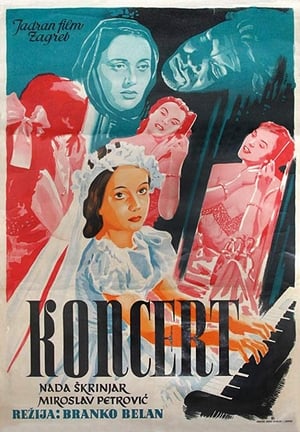
Celebrating the end of World War II and liberation of their city, a group of students is set on holding a cultural evening. They invite Ema, a reclusive piano teacher from the same building, to play for them. Ema declines, but starts reminscing back on her own life and the historical events that have seemingly overshadowed it.
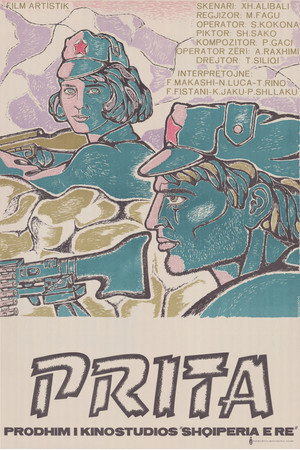
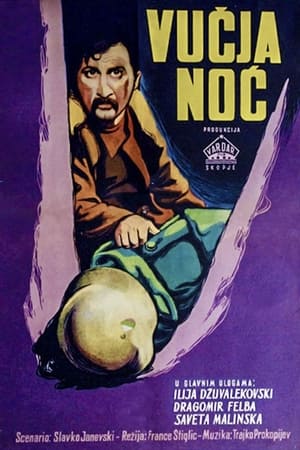
A group of Macedonian partisans are hiding away in the mountains from Bulgarian fascist authorities that occupy Macedonia.
After WWII had ended, it was realized by the American Allies that there were children whom Hitler trained to be soldiers between the ages of 9-17. They were the "Hitler Youth". As the adult German soldiers were taken as prisoners of war, so were the children. These boys were taken to France and reeducated by being taught democracy and treated better than the adult POWs. This story recounted by a former "baby cage" prisoner at the age of 92.
Konečne bude mier!
Gustave Folcher, a French farmer, wrote in his 1939 diary that the summer had been long and hot. He was not alone. Many other anonymous French men and women wrote of the beauty and warmth of those summer months and how threats of war were far from their minds. Through home movies, diaries and letters, One Last Summer describes the final weeks of peace in France and the mix of blindness, denial and prophetic clear-sightedness of those facing the war that was about to unfold.