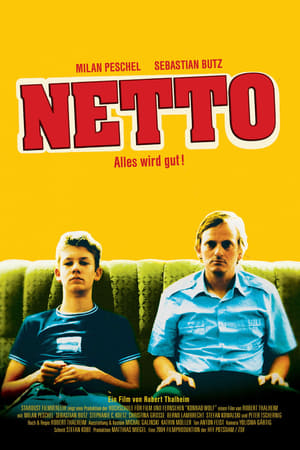
Master painter Hans Moll and his wife, the television announcer Ms. Wellinek and her husband, and the German-Russian Jew Yevgenia have many things to live on: food, drink, an apartment. What they do not have is work. They all discover the yearning for a chance to start all over again and bring themselves back to life.
Unemployed Antonio is elated when he finally finds work hanging posters around war-torn Rome. However on his first day, his bicycle—essential to his work—gets stolen. His job is doomed unless he can find the thief. With the help of his son, Antonio combs the city, becoming desperate for justice.
A nurse from Ukraine searches for a better life in the West, while an unemployed security guard from Austria heads East for the same reason. Both are looking for work, a new beginning, an existence, struggling to believe in themselves, to find a meaning in life...
Impoverished priest Harihar Ray, dreaming of a better life for himself and his family, leaves his rural Bengal village in search of work. Alone, his wife, Sarbojaya, looks after her rebellious daughter, Durga, and her young son, Apu, as well as Harihar's elderly aunt Indir. The children enjoy the small pleasures of their difficult life, while their parents suffer the daily indignities heaped upon them.
The Berlin construction workers Micha, Silvio and Norbert are out of work. The way out spells - Norway. Because German craftsmen are in demand. The three, with 17 other desperate people, are bawling Norwegian and preparing themselves for "it's always just salmon" and fearing the darkness. Too bad that their wives have other plans.
Catherine and Mack and their close friends Chris and Madge graduate from a West Coast college and fly to New York City to find work.
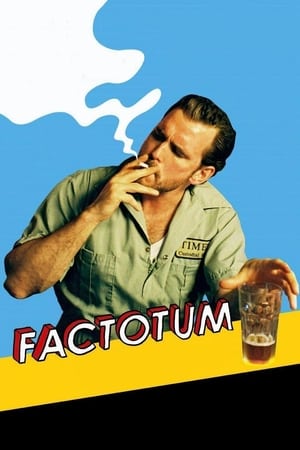
When a man is diagnosed with terminal cancer, he takes custody of his misanthropic teenage son, for whom quality time means getting high, engaging in small-time prostitution, and avoiding his father.
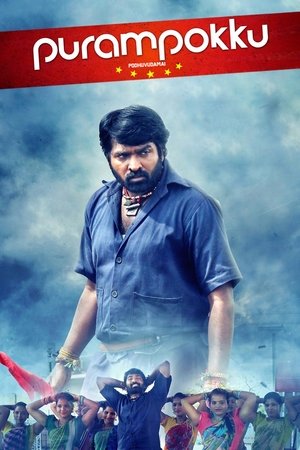
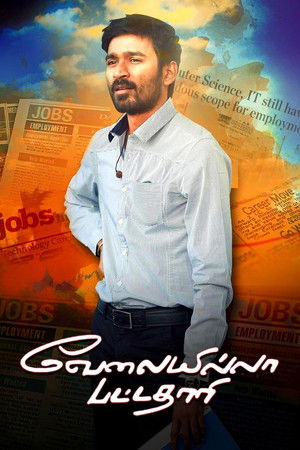
Raghuvaran, who is unemployed for years, gets his dream job but a powerful rival is keen to put him down. Can he take on his adversary?
Young, impulsive Rosetta lives a hard and stressful life as she struggles to support herself and her alcoholic mother. Refusing all charity, she is desperate to maintain a dignified job.
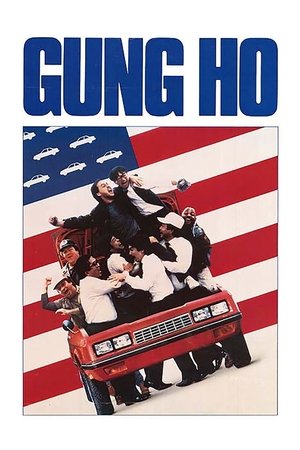
An advertising man is slowly sliding downhill. When he is fired from his job in Detroit, he signs up for unemployment. One day they find him a job: teaching thinking skills to Army recruits. He arrives on base to find that there is no structure set up for the class.
In a working-class quarter of Dublin, 'Bimbo' Reeves gets laid off from his job and, with his redundancy payout, buys a van and sells fish and chips with his buddy, Larry. Due to Ireland's surprising success at the 1990 FIFA World Cup, their business starts off well, but the relationship between the two friends soon becomes strained as Bimbo behaves more like a typical boss.
It is a supernatural melodrama of a woman's misfortune and suffering interwoven with the legend of the Pasig. The legend itself is inspired by the immortal kundiman of the director's brother, Nicanor Abelardo.
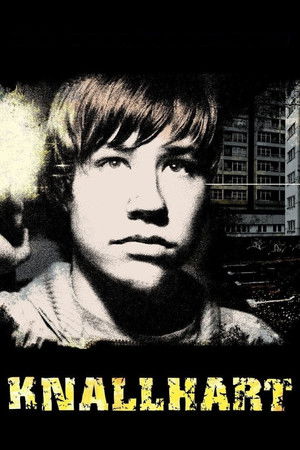
From the youth directed novel of the same name by Greogor Tressnow comes a film by Detlev Buck that is a realistic portrait of life in the section of Berlin called Neukölln. It’s about power and weakness, delinquents and victims, and the difficulties a 15-year-old faces in a poor and criminal environment.
In a violent relationship, it takes a mother’s strength to save herself and her children from the man she loved. Once Were Warriors is a violent love story set against a contemporary urban backdrop.
An intimate study of two women friends who come to each other because of troubles with everyday life and with men and thus try to enjoy a life based on their ideas.
A revolutionary is sentenced to death for his anti-national activities. And so begins a battle of wits between the prison officer and his comrades, who try to rescues him with the help of the reluctant hangman who has been selected to deliver the punishment.
Workers in a high-powered New York business office are stranded on the 50th floor when the power fails during the East Coast blackout of 1965.
Set in Genoa, the film concerns the financial struggles and emotional strain that occur after Michele loses his job. He and his wife Elsa are forced to give up their affluent lifestyle and cope with the tensions of moving into a smaller home, finding new work, and making sacrifices.
Kuhle Wampe takes place in early-1930s Berlin. The film begins with a montage of newspaper headlines describing steadily-rising unemployment figures. This is followed by scenes of a young man looking for work in the city and the family discussing the unpaid back rent. The young man, brother of the protagonist Anni, removes his wristwatch and throws himself from a window out of despair. Shortly thereafter his family is evicted from their apartment. Now homeless, the family moves into a garden colony of sorts with the name “Kuhle Wampe.”
Marseille. The director of a company offers a promotion to Francois (Michel Creton) if he accepts to help him fire all the staff from his office. If he refuses, he will himself be fired. Francois opts for the latter. He registers as unemployed and discovers what he has lacked so far in his life: a certain freedom. His habits are changing as well as his attitude towards the others changes ... Luce (Claude Jade), his wife, and Marquerite (Courtois Queen), her stepmother, are surprised: why he is not himself anymore?