Immersion in a world of contemporary design in search of more virtuous practices. In Helsinki, German designer Julia Lohmann uses seaweed to create dyed garments; in Amsterdam, Marjan van Aubel creates objects powered by organic photovoltaic cells; in London, the Superflux duo develops futuristic installations to alleviate potential food shortages.
Animación en la sala de espera
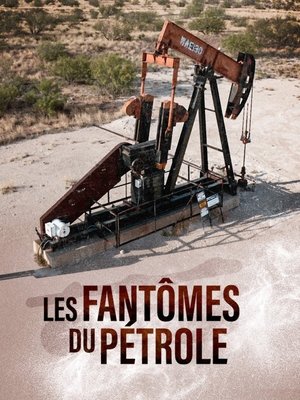
Les Fantômes du Pétrole
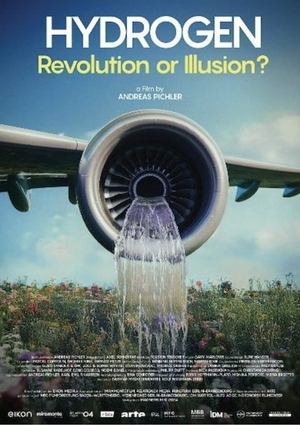
Steel giant Thyssen Krupp in Germany and cargo ship operator Maersk in Denmark are investing huge sums of money with public support to convert their huge and dirty energy consumption to ‘green’. Hydrogen plays a central role in this. At the same time, countries in Africa such as Morocco and Namibia are gearing up to become giga-suppliers of the new energy source. But does it all make sense? Why not just produce green steel in Africa? And what's the story behind the blue hydrogen that is supposed to come from Norway via pipeline? The film follows pioneers on breathtaking projects and shows that the energy transition is more complicated than expected and holds many surprises in store.
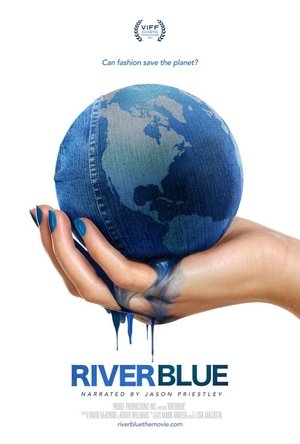
RiverBlue chronicles an unprecedented around-the-world river adventure, led by renowned paddler and conservationist, Mark Angelo, who ends up uncovering and documenting the dark side of the global fashion industry.
From the 60's, the neighborhood of Pedra de Guaratiba, in Rio de Janeiro, was invaded by a varied artistic community.
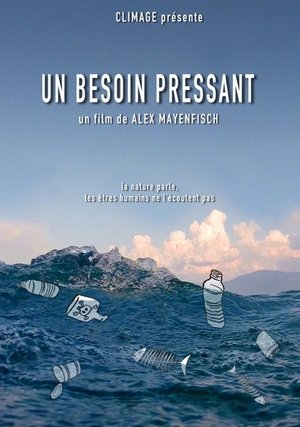
Un Besoin Pressant
In the first half of the 19th century, the French ornithologist Jean-Jacques Audubon travelled to America to depict birdlife along the Mississippi River. Audubon was also a gifted painter. His life’s work in the form of the classic book ‘Birds of America’ is an invaluable documentation of both extinct species and an entire world of imagination. During the same period, early industrialisation and the expulsion of indigenous peoples was in full swing. The gorgeous film traces Audubon’s path around the South today. The displaced people’s descendants welcome us and retell history, while the deserted vistas of heavy industry stretch across the horizon. The magnificent, broad images in Jacques Loeuille’s atmospheric, modern adventure reminds us at the same time how little - and yet how much - is left of the nature that Audubon travelled around in. His paintings of the colourful birdlife of the South still belong to the most beautiful things you can imagine.
David Attenborough and scientist Johan Rockström examine Earth's biodiversity collapse and how this crisis can still be averted.
Des vaccins et des hommes
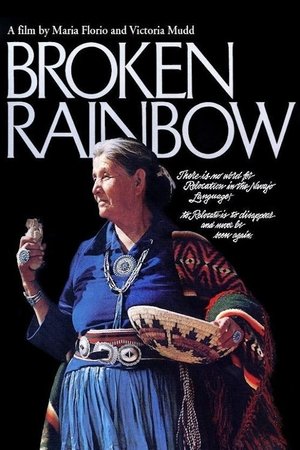
Documents the cultural and ecological impacts of coal stripmining, uranium mining, and oil shale development in Utah, Colorado, New Mexico, and Arizona – homeland of the Hopi and Navajo.
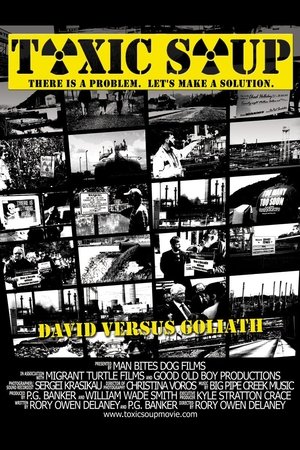
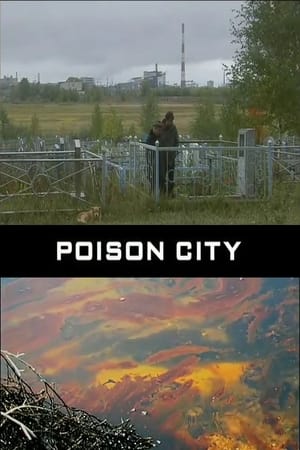
Dzerzhinsk, a Russian city 240 miles east of Moscow, is considered the most chemically polluted town on Earth. Factories producing industrial chemicals (and in Soviet times, chemical weapons) employ a quarter of the 300,000 residents in a city where life expectancy has fallen to 42-47 years, the death rate is 2.6 times higher than the birth rate, and the men are close to impotence. Reporter Tim Samuels recorded a series of in-depth interviews with the inhabitants of Dzerzhinsk for the Correspondent strand, revealing what life is like for the beleaguered populace.
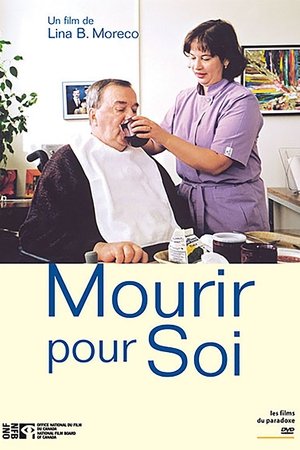
Mourir pour soi
A powerful film that reveals the human side of the industrial pollution crisis in the Limoilou neighborhood. The air itself becomes a silent killer, quietly invading the lives of its residents.
A 1970 projection of what may come when pollution over powers nature.
Documentary chronicling the government relocation of 10,000 Navajo Indians in Arizona.
This critically acclaimed Vietnamese documentary portrays the claustrophobic struggles against COVID-19, led by a group of doctors and nurses, in an effort to save the lives of COVID infected pregnant women. Produced by national news channel VTV, "Ranh Giới", meaning "borderline", refers to the line between life and death.
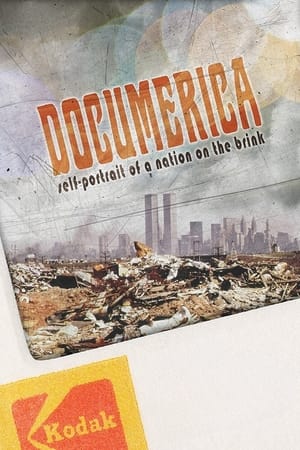
In the seventies, during the Richard Nixon administration, Documerica, a large-scale photographic project, led by the US Environmental Protection Agency, sought to document the country's environmental situation. The tens of thousands of photos, taken by hundreds of photographers, constitute a unique archive, showing a landscape ravaged by pollution and environmental degradation.
Marion is an artist with FSH, an incurable muscular myopathy. She guides us on the path she has taken to no longer identify with her illness.
After decades of growth and ostentation, when every excess was allowed, the fashion industry is currently at a turning point, caught up in the political issues that are reshaping our times: climate change and sustainable development, cultural representation and appropriation, equality, gender issues... Brands and creators are now subject to increasingly sharp public scrutiny. How is the fashion industry facing these challenges and responding to this new paradigm? Based as it is on the concept of planned obsolescence, can fashion survive?