Produced by the Fox Movietone News arm of Fox Film Corporation and based on the book by Lawrence Stallings, this expanded newsreel, using stock-and-archive footage, tells the story of World War I from inception to conclusion. Alternating with scenes of trench warfare and intimate glimpses of European royalty at home, and scenes of conflict at sea combined with sequences of films from the secret archives of many of the involved nations.
My Flesh and Blood is a 2003 documentary film by Jonathan Karsh chronicling a year in the life of the Tom family. The Tom family is notable as the mother, Susan, adopted eleven children, most of whom had serious disabilities or diseases. The film itself is notable for handling the sensitive subject matter in an unsentimental way that is more uplifting than one might expect.
Making Dust is an essay film, a portrait of the demolition of Ireland's second largest Catholic Church, the Church of the Annunciation in Finglas West, Dublin. Understanding this moment as a 'rupture', the film maps an essay by architectural historian Ellen Rowley on to documentation of the building's dismantling. Featuring oral interviews recorded at the site of the demolition and in a nearby hairdressers, the film invites viewers to pause and reflect on this ending alongside the community of the building. The film is informed by Ultimology, and invites its audience to think about the life cycles of buildings and materials, how we mourn, what is sacred, how we gather, what we value and issues of sustainability in architecture.
Dertien Dagen
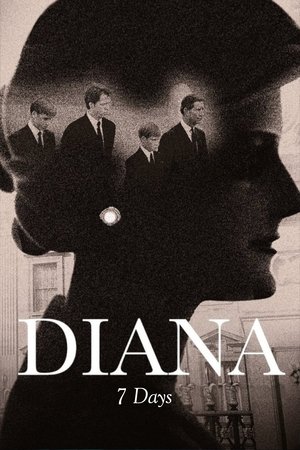
In August 1997, the tragic death of Diana, Princess of Wales, stunned her family and catapulted the British public into one of the most extraordinary weeks in modern history. What was it about Diana that resulted in such an outpouring of grief? And what does that week reveal about Britain's relationship with the monarchy, then and now?
As the muse of Hal Hartley’s indie classics and as writer/director of the critically acclaimed Waitress, Adrienne Shelly was a shining star in the indie film firmament. A devoted young mother, her life was right on track until her husband found her dead. Filmmaker Andy Ostroy has been fighting to discover the truth about his wife’s death ever since.
Since 2007, dozens of young people have been found hanged in Bridgend, a town in southern Wales. Many of them knew one another-they were friends, neighbors, and family. The striking similarities between their deaths have confounded authorities and struck fear into the hearts of parents. Headlines splashed across the UK earned Bridgend its infamous nickname: ""Death Town."
An ode to stillness, in the form of an experimental documentary miniature, inspired by Vitosha mountain and Sofia
Herbert Fingarette once argued that there was no reason to fear death. At 97, his own mortality began to haunt him, and he had to rethink everything.
A collection of death scenes, ranging from TV-material to home-made super-8 movies. The common factor is death by some means.
In 1952, Amédée took his own life by jumping into the Seine. No one knows the reason for this tragic act. His story comes to us in bits and pieces.
Rob Grant and Mike Kovac receive a disturbing fan video inspired by their previous horror movie Mon Ami, motivating them to investigate the responsibility of filmmakers in portraying violence in movies. In their pursuit of the truth they are unwittingly introduced to the real world of violent criminals and their victims.
Kibera is the largest slum area in Nairobi, and the largest urban slum in Africa. This documentary depicts three important problems; violence, drugs (miraa) and albinos killing.The 2009 Kenya Population and Housing Census reports Kibera's population as 170,070, contrary to previous estimates of one or two million people .Most of Kibera slum residents live in extreme poverty, earning less than $1.00 per day. Unemployment rates are high. Persons living with HIV in the slum are many, as are AIDS cases. Cases of assault and rape are common. There are few schools, and most people cannot afford education for their children. Clean water is scarce. Diseases caused by poor hygiene are prevalent.
The Death of 'Superman Lives': What Happened? feature film documents the process of development of the ill fated "Superman Lives" movie, that was to be directed by Tim Burton and star Nicolas Cage as the man of steel himself, Superman. The project went through years of development before the plug was pulled, and this documentary interviews the major filmmakers: Kevin Smith, Tim Burton, Jon Peters, Dan Gilroy, Colleen Atwood, Lorenzo di Bonaventura and many many more.
A big hearted community celebrates life by fronting up to death. Set against the stunning backdrop of the industrial seaside town of Port Kembla, a feisty and resilient community group have determined to take back the responsibility that most of us leave to someone else — to care for their own dead. Scattered throughout are stories that cut to the core revealing why this small band have decided to take on a practice that for most is taboo. As their plans for community-based funerals gather momentum one of their own is diagnosed with a life-threatening illness. Tender is at once a heartbreakingly beautiful and beautifully funny glimpse of an extraordinary community taking on one of the most essential challenges of human life … its end.
The story of Hitler’s final hours told by people who were there. This special features exclusive forgotten interviews, believed lost for 65 years, with members of Hitler’s inner circle who were trapped with him in his bunker as the Russians fought to take Berlin. These unique interviews from figures such as the leader of the Hitler Youth Artur Axmann and Hitler’s secretary Traudl Junge, have never before been seen outside Germany. Using rarely seen archive footage and dramatic reconstruction, this special tells the story of Adolf Hitler’s final days in his Berlin bunker.
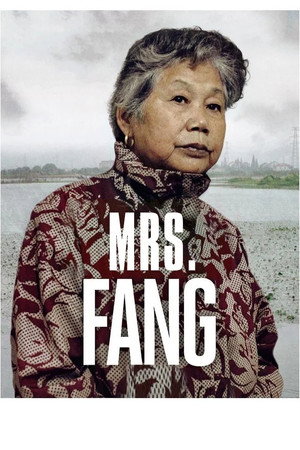
In a quiet village in southern China, Fang Xiuying is sixty-seven years old. Having suffered from Alzheimer's for several years, with advanced symptoms and ineffective treatment, she was sent back home. Now, bedridden, she is surrounded by her relatives and neighbors, as they witness and accompany her through her last days.
In an intense action-filled 85 minutes, you will learn to defend yourself against the mounting threat of “knife culture” offenders.
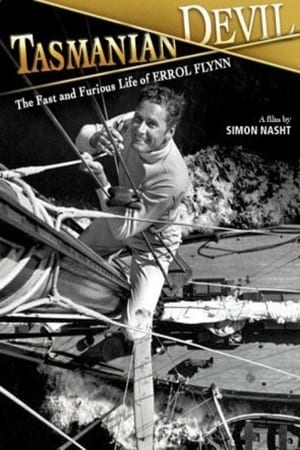
The story of Tasmanian-born actor Errol Flynn whose short & flamboyant life, full of scandals, adventures, loves and excess was largely played out in front of the camera - either making movies or filling the newsreels and gossip magazines. Tragically he was dead from the effects of drugs and alcohol by the time he was only 50 & the myths live on. But there is another side of Flynn that is less well known - his ambitions to be a serious writer and newspaper correspondent, his documentary films and his interest in the Spanish Civil War and Castro's Cuba
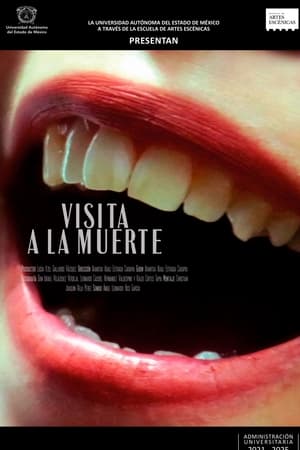
Brief scenes of death related material: mortuaries, accidents and police work are filmed by TV crews and home video cameras. Some of it is most likely fake, some not as much.