Súkeníctvo kedysi a dnes
Departing from peripheral details of some paintings of the Bilbao Fine Arts Museum, a female narrator unravels several stories related to the economic, social and psychological conditions of past and current artists.
Radostná práce
In the heyday of the jute industry, millions of people in Bengal made their living doing this laborious work, which has hardly changed since the industrial revolution. The 100-year-old machinery has been endlessly repaired. State aid kept this sustainable alternative to plastic going, but its future looks bleak.
Three women share their experience of navigating the app-world in the metro city. The sharings reveal gendered battles as platform workers and the tiresome reality of gig-workers' identities against the absent bosses, masked behind their apps. Filmed in the streets of New Delhi, the protagonists share about their door-to-door gigs, the surveillance at their workplaces and the absence of accountability in the urban landscape.
Government ordered Industrial short documentary on the production of linen.
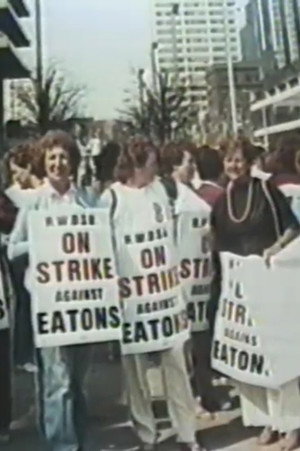
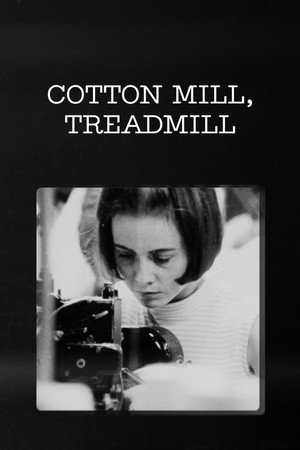
A documentary about how a motley band of – mostly female- retail workers took on a retail giant – Canada’s Timothy Eaton Company. In the tradition of socialist and feminist filmmaking of the day, we immersed ourselves in these women’s lives as they fought for a first contract, hanging out with strikers on the picket line, at union meetings and in their homes.
Film from Andrew Morgan. The True Cost is a documentary film exploring the impact of fashion on people and the planet.
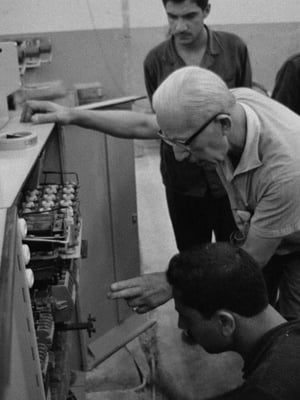
Director Junge was commissioned by the GDR in the country for the first time in the summer of 1970; his film In Syria auf Montage accompanies German engineers who train workers in the Homs textile factory. Shortly after filming ended, Hafez al-Assad put himself under the dictator. Twenty years later emerged ... the father stayed in the war over a youth club with Syrian orphans in Bad Saarow, whose fathers had died in the Lebanon war and accompanied them to Syria, where they were housed in separate, elite "schools of martyr children". Multi-faceted documents that oscillate between peaceful and tense, hopeful and unsettled.
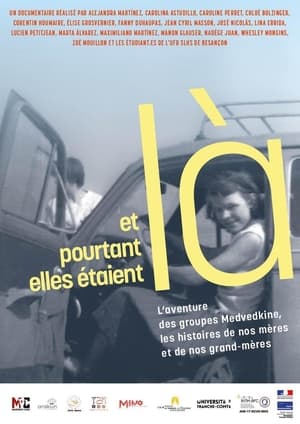
Dominique, Suzanne, and Annette: three women who participated in the adventure of the Medvedkine groups (Besançon, Sochaux, 1967-1974). In those same years, the lives of our grandmothers and mothers experienced decisive changes: they worked outside the home and revolutionized customs. A group of Besançon students are investigating those events and questioning their own family memory.
Riveted: The History of Jeans reveals the fascinating and surprising story of this iconic American garment. At any given moment, half the people on the planet are wearing them. They have become a staple of clothing the world over, worn by everyone from presidents and supermodels to farmers and artists. More than just an item of apparel, America’s tangled past is woven into the indigo blue fabric. From its roots in slavery to its connection to the Wild West, youth culture, the civil rights movement, rock and roll, hippies, high fashion and hip-hop, jeans are the canvas on which the history of American ideology and politics is writ large.
A latest documentary by Gen Iwama (“The Past is Always New, and the Futureis Always Nostalgic: Photographer Daido Moriyama"), shot in Gamagori, the town of Cotton. The camera follows the declining 'textile industry' in Japan and people who try to find a way to revive the industry there.
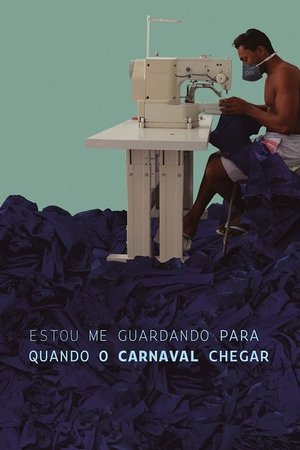
A documentary film about the Brazilian town of Toritama, the self-proclaimed capital of jeans. The workers of the city’s self-managed small businesses only get one real break from their self-exploiting lives in the textile business: the annual Carnival.
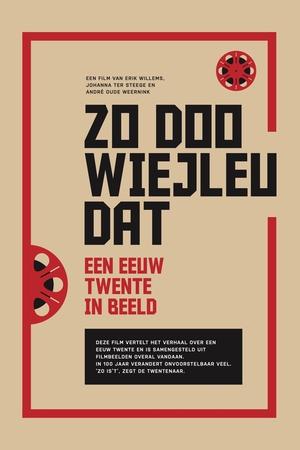
A century of change in pictures (1915-2015). What makes Twente Twente? What changes have taken place in the last century? Twente op Film is a project by filmmaker Erik Willems, actress (and co-producer) Johanna ter Steege and producer André Oude Weernink. They used film archive images to make a film about what has changed in Twente in a century. In city planning, in industry, in every day life, in the countryside and in the city.
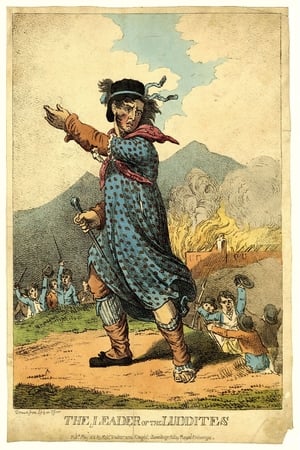
In 1812 there were violent disturbances in Yorkshire when new machines were introduced into the wool industry. This film is an interpretation of those events made in the style of a documentary.
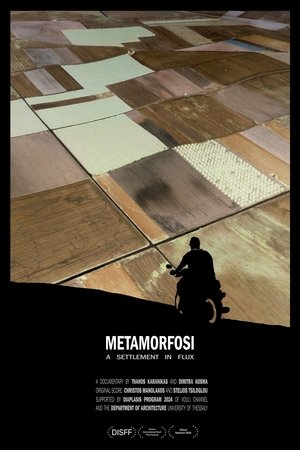
Machines relentlessly working under the scorching sun. Pumps, reels, and unbearable horizons behind corrugated metal sheets that spark at the touch. Eleven months after the devestated floods of 2023, the rural greek settlement of Metamorfosi, awaits the end of a suffocating August and its inevitable transformation.
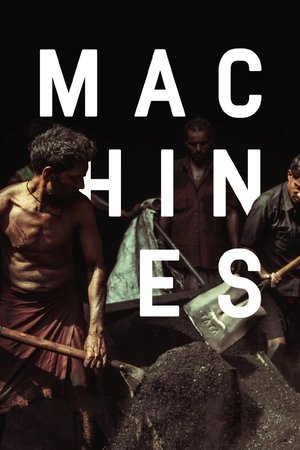
This portrayal of the rhythm of life and work in a gigantic textile factory in Gujarat, India, moves through the corridors and bowels of the enormously disorienting structure—taking the viewer on a journey of dehumanizing physical labor and intense hardship.
Director Denys Arcand made an inquiry on textile industry in Quebec, meeting employers and workers of that industry.
The film is a reportage showing the help of workers from the GDR in the industrial reconstruction of Syria. We witness the friendly relationship between workers from both countries, who are jointly involved in the construction of the cotton spinning mill in Homs. In impressive pictures the exoticism of the environment and the mentality of the Syrian hosts is shown. At the same time it becomes clear that the workers from the GDR become 'ambassadors of the GDR' through their collegial behaviour and good work.
What has shaped the appearance of Brno and the lives of its inhabitants over the last two centuries? What do architectural monuments and cultural and social traditions refer to?