Emir Kusturica views himself as a rock musician and believes that he became a world-famous filmmaker by pure chance, as he shoots his movies only in between concert tours with the “No Smoking Orchestra” band. At these little pinpoints of time he gets “Palms d’Or” at Cannes, “Golden Lions” in Venice, builds his own villages, a power plant and a piste and regrets not becoming a professional football player. Kusturica’s own living is very much similar to his movies, where shoes are polished with cats, death is treated like a story from tabloid press, and life is a miracle...
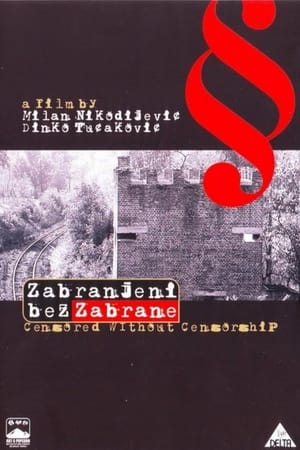
Through the conversation with Yugoslav film authors and excerpts from their films, this documentary film tells a story of a film phenomenon and censorship, and its focus is, in fact, a painful epoch of Yugoslav film called “a Black Wave”, which was the most important and artistically strongest period of Yugoslav film industry, created in the sixties and buried in the early seventies by means of ideological and political decisions. The film tells a great “thriller” story of the ideological madness which characterised the totalitarian psychology having left multiple consequences felt up to our very days. It stresses similarities between totalitarian regimes defending their taboos on the example of the persecution of the most important Yugoslav film authors. Those film authors have, however, made world careers and inspired many later authors. The film is the beginning of a debt pay-off to the most significant Yugoslav film authors.
This documentary was inspired by the artistic life of Serbian actress Sonja Savić. Being a wonder child, a star of Yugoslavian cinematography, a sex symbol, and urban legend of the eighties generation, a fighter against establishment, Sonja Savić had always attracted attention. Simply put, she always looked, spoke and thought differently from others, she was entirely autonomous, an authentic phenomenon of Serbian culture. In the documentary SONJA, friends and colleagues of Sonja Savić testify on many aspects of her life and work, and a special emphasis is put on Sonja’s libertarian, rebellious, Don Quixote type of nature.
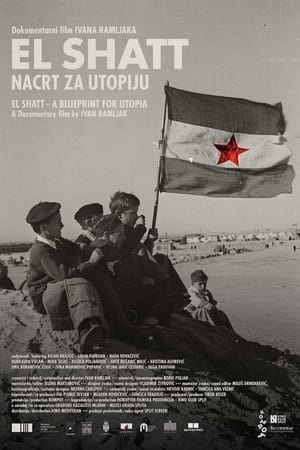
Hundreds of frozen and starved people floating on boats in the middle of the Mediterranean Sea fleeing from the war... Familiar scenes that we are used to seeing in recent times. But the year is 1944, and the refugees are travelling from Europe to Africa. After Italian capitulation,and before the arrival of German army, 28 000 Dalmatian Croats left their home villages and towns to live for two years under the tents in the middle of Egyptian desert, in a kind of a communist model village that was formed to show the Allies how the new Yugoslavia will look like when the war ends. This is a story about them.
A documentary-narrative film which looks at real events and personal phenomena of artist Zarko Lausevic. "Laush" above all tells a story of an evil time we've all been through, represents both sides and is made with empathy and respect towards everyone involved in the tragic incident. Through recreations, narration, memories of colleagues and quotes from the book "A Year Passes, a Day Will Never Pass" which the artist wrote during the hardest stage of his life, the weight of his fate is presented. The aim of this project is to portray the life of brilliant actor, who in the midst of great fame, disappeared from the scene through the cruelty of dubious times.
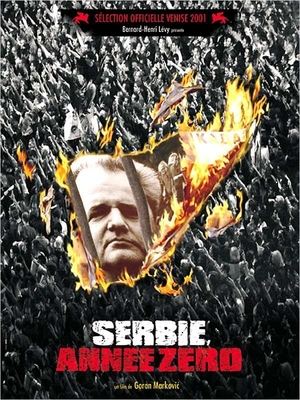
Documentary that follows events after the fall of Slobodan Milosevic, while looking back on the previous fifteen years, tracing his rise to power. Personal testimony alternates with analysis of a disintegrating society.
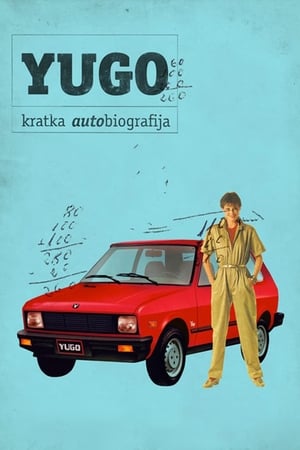
A half-hour fictional documentary film that, through the fates of different people, tries to illuminate the phenomenon of the YUGO car, a cute outsider of small capacities but big ambitions, in the period between 1980 and 2008, when it was manufactured. The film combines statements from authentic workers that were involved in the production of Yugo, archives, along with the reconstruction of different fragments from the Yugo's history which portray him both as a family and a thug's car, as a part of the great American Dream, or as a symbol of betrayed expectations. This film is a small 'commemorative' review of the history of an automobile that for a long time symbolized, in a jocular and veritable way, sometimes even by accident, the times in which he was manufactured.
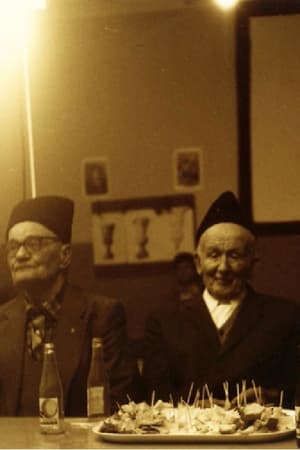
The protagonists of this docudrama are old farmers who migrated to Banat after the First World War, in 1922. The film is focused on a couple of important events in their impressive lives, which are woven into lively scenes and stories full of wise instances. Their statements become spontaneous recounts of the lives of people in this region.
Shot in various villages throughout Yugoslavia, this is a disturbing document of a time when people were stabbing each other with knives without any real reason. Murderers, people who witness these murders and the families of victims all talk about the senseless violence and the human condition.
Akademija Republika shows a group of people gathered around the club from 1981 until 1995 and how it changed and influenced the cultural and night life around them.
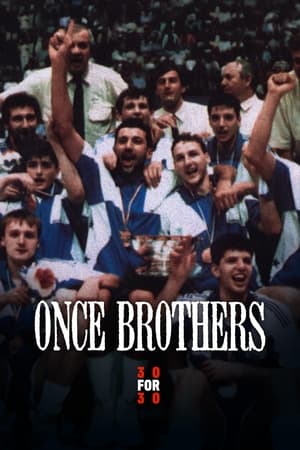
Drazen Petrovic and Vlade Divac were two friends who grew up together sharing the common bond of basketball. Together, they lifted the Yugoslavian National team to unimaginable heights. After conquering Europe, they both went to USA where they became the first two foreign players to attain NBA stardom. But with the fall of the Soviet Union on Christmas Day 1991, Yugoslavia split up. A war broke out between Petrovic's Croatia and Divac's Serbia. Long buried ethnic tensions surfaced. And these two men, once brothers, were now on opposite sides of a deadly civil war. As Petrovic and Divac continued to face each other on the basketball courts of the NBA, no words passed between the two. Then, on the fateful night of June 7, 1993, Drazen Petrovic was killed in an auto accident. This film will tell the gripping tale of these men, how circumstances beyond their control tore them apart, and whether Divac has ever come to terms with the death of a friend before they had a chance to reconcile.
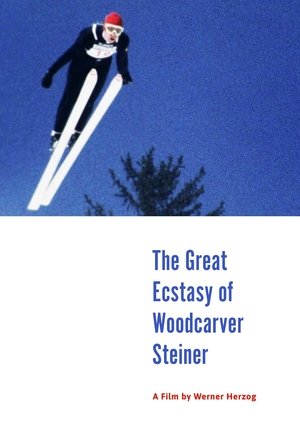
A study of the psychology of a champion ski-flyer, whose full-time occupation is carpentry.
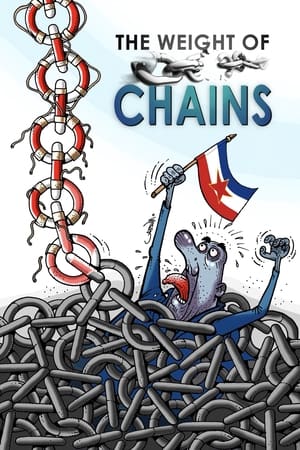
The Weight of Chains is a Canadian documentary film that takes a critical look at the role that the US, NATO and the EU played in the tragic breakup of a once peaceful and prosperous European state - Yugoslavia. The film, bursting with rare stock footage never before seen by Western audiences, is a creative first-hand look at why the West intervened in the Yugoslav conflict, with an impressive roster of interviews with academics, diplomats, media personalities and ordinary citizens of the former Yugoslav republics. This film also presents positive stories from the Yugoslav wars - people helping each other regardless of their ethnic background, stories of bravery and self-sacrifice.
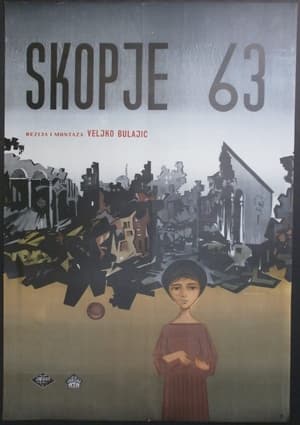
"Skoplje '63" is a 1964 Yugoslavian documentary film directed by Veljko Bulajić about the 1963 Skopje earthquake (Skoplje, per film title, is the Serbo-Croatian spelling of Skopje). The filming started three days after the earthquake and lasted for four months. After that, Bulajić spent 12 months editing the footage at Jadran Film studios.
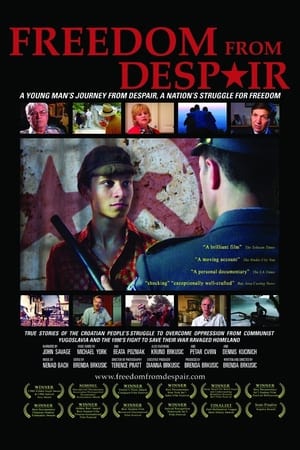
True stories of the Croatian People's struggle to overcome oppression from communist Yugoslavia and the 1990's fight to save their war ravaged homeland.
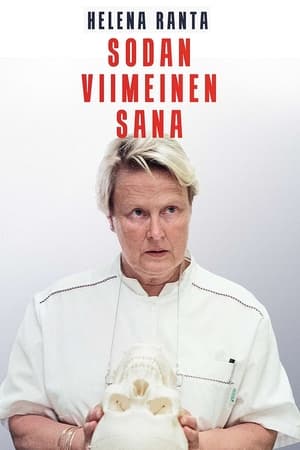
In the Kosovo War, human dignity was shattered by the terrors of the Serbian government and the Albanian liberation army. Truths about the victims’ fates faded away, which is why a Finnish forensic research group led by Helena Ranta got a mission to act as an unbiased agent and investigate the real course of events.
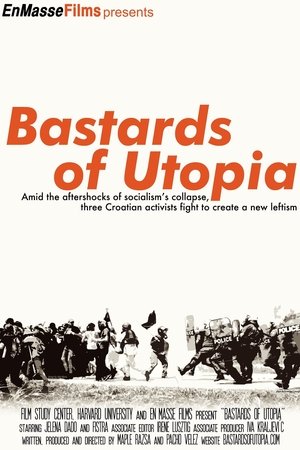
Three Croatian activists struggle to change the world. As children, they lived through the violent collapse of Yugoslavia. But now, amid the aftershocks of socialism's failure, they fight in their own way for a new leftism. In the middle of the struggle, a skeptical American is won over by their cause and even goes to jail with them. The activists, whether clashing with police or squatting in an old factory, risk everything to live their politics. But as the setbacks mount, will they give up the fight? The film, shot during years of fieldwork with a Croatian anarchist collective, applies EnMasseFilm's unique blend of observation, direct participation and critical reflection to this misunderstood political movement. Its portrayal of activism is both empathetic and unflinching -- an engaged, elegant meditation on the struggle to re-imagine leftist politics and the power of a country's youth.
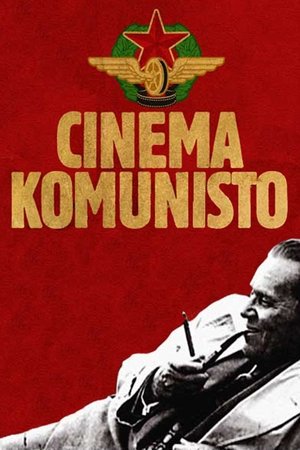
This eye-opening and bittersweet chronicle of the Yugoslavian film industry recounts how the cinema was used—often with direct intervention from President Josip Broz Tito—to create and recreate the young nation’s history, replete with heroes and myths that didn’t always hew closely to reality.
A new, modern train station in the province of Croatia, where the only problem seems to be the numerous, unemployed people or as the station master complains: Why do films always have to show the bad side?
The elderly inhabitants of a village in Vojvodina look back on the war and the partisan battles. The film also examines how collective memories and myths enter the individual consciousness.