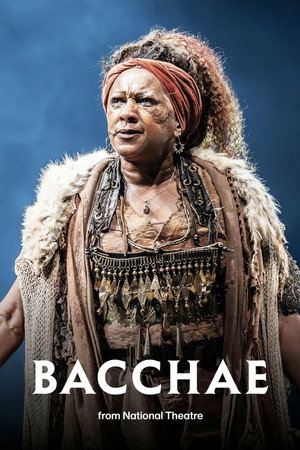
Based on the plot of Euripides' Medea. Medea centers on the barbarian protagonist as she finds her position in the Greek world threatened, and the revenge she takes against her husband Jason who has betrayed her for another woman.
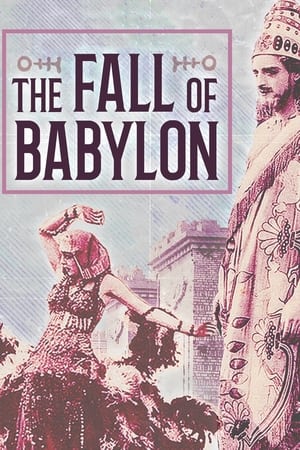
After the relatively low box office takings of 'Intolerance', D. W. Griffith would revisit his epic film three years later by releasing two of the film's interlocking stories as standalone features, with some new additional footage. The first of the two was 'The Fall of Babylon', which depicts the conflict between Prince Belshazzar of Babylon and Cyrus the Great of Persia.
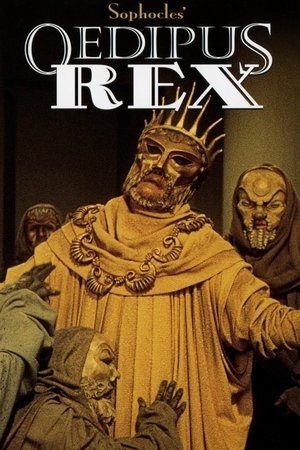
The story of Oedipus' gradual discovery of his primal crime, killing his father and marrying his mother, filmed by the famed British theatrical director Sir Tyrone Guthrie. This elegant version of Sophocles' play adds a brilliant stroke: the actors wear masks just as the Greeks did in the playwright's day.
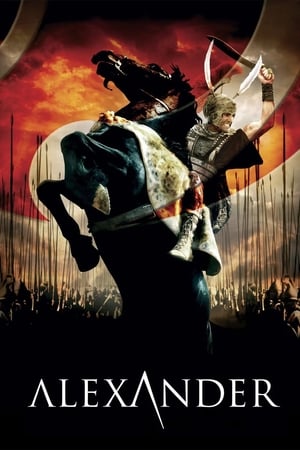
Alexander, the King of Macedonia, leads his legions against the giant Persian Empire. After defeating the Persians, he leads his army across the then known world, venturing farther than any westerner had ever gone, all the way to India.
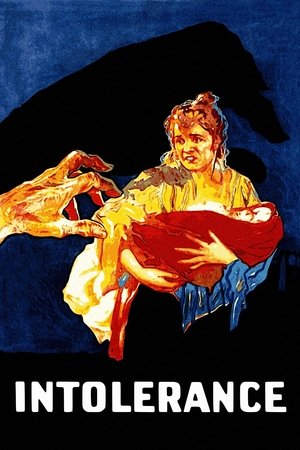
The story of a poor young woman, separated by prejudice from her husband and baby, is interwoven with tales of intolerance from throughout history.
A nurse keeps a patient in a coma, but one day his wife and son visit him.
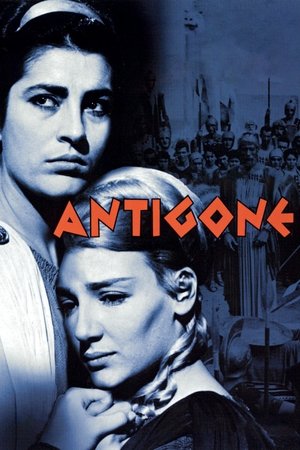
A Roman soldier falls in love with the daughter of a Greek city's anti-Roman leader.
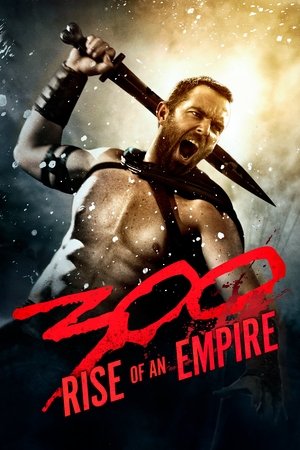
Greek general Themistocles attempts to unite all of Greece by leading the charge that will change the course of the war. Themistocles faces the massive invading Persian forces led by mortal-turned-god, Xerxes and Artemesia, the vengeful commander of the Persian navy.
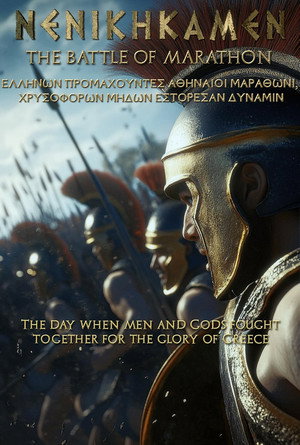
Pheidippides, a brave soldier and messenger of ancient Athens, is ordered by the Athenian general, Miltiades, to run to Sparta and request aid to confront the Persian army led by King Darius the 1st, in the Battle of Marathon.
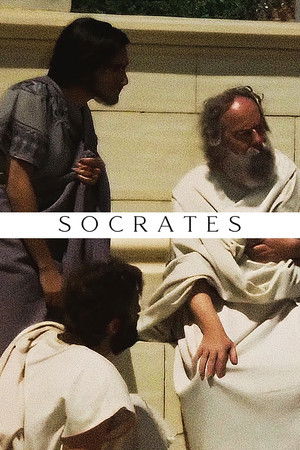
A false accusation leads the philosopher Socrates to trial and condemnation in 4th century BC Athens.
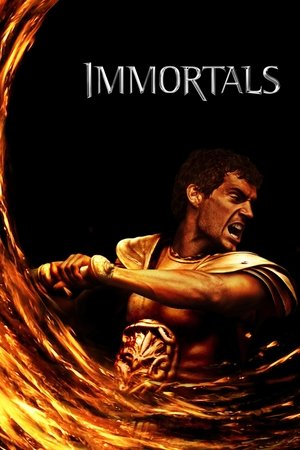
Theseus is a mortal man chosen by Zeus to lead the fight against the ruthless King Hyperion, who is on a rampage across Greece to obtain a weapon that can destroy humanity.
Two weary travellers seek out shade and sustenance from an idle tree. Based on the fable, "The Travellers and the Plane Tree" by Aesop.
Královský život otroka
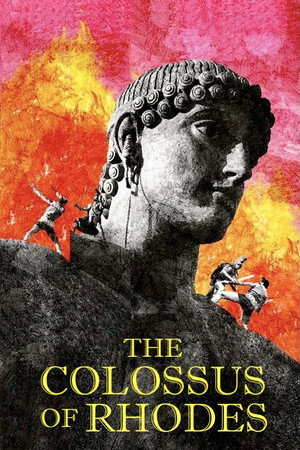
While on holiday in Rhodes, Athenian war hero Darios becomes involved in two different plots to overthrow the tyrannical king, one from Rhodian patriots and the other from sinister Phoenician agents.
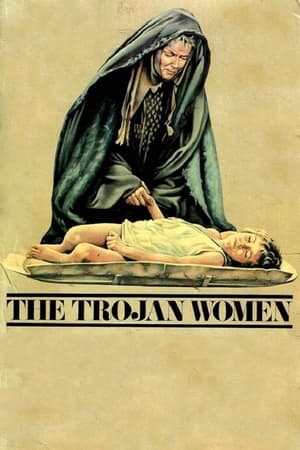
In the aftermath of the Trojan Wars, Queen Hecuba takes stock of the defeated kingdom. Her son has been killed, and his widow, Andromache, is left to raise their son, Astyanax, alone. Hecuba's daughter, Cassandra, fears being enslaved by her Greek masters, while Helen of Troy risks being executed. Astyanax also becomes the focus of the Greeks' attention as the last male heir of the Trojan royal family.
Ash awakes to find his apartment ransacked and a mysterious stranger trapped on his roof terrace. Who is she? And why can't he recall the events of the night before? Tensions rise to a climactic altercation, prompting the stranger to share a fantastic tale. Inspired by the Aesop fable of the same name.
Marching down the Italian peninsula to sack ancient Rome, Etruscan warrior Drusco instead offers to hold back his onslaught if the Romans hand over hostages, including Clelia, the sexy leader of a clan of woman warriors. But before long, intrigue and betrayal unravel the fragile peace. Directors Carlo Ludovico Bragaglia and Vittorio Cottafavi helm this vintage sword-and-sandal epic.
A young man sentenced to death manages to postpone his execution because of the impending wedding of his poor sister, who is to be married off. His best friend vouches for his return. After taking care of his sister, the young man hurries back, but is delayed by numerous unexpected obstacles. Nevertheless, he continues the journey, determined to join his now-presumably dead friend.
Jankovics's adaptation of the eponymous play is divided into multiple parts, and depicts the creation and fall of Man throughout history.
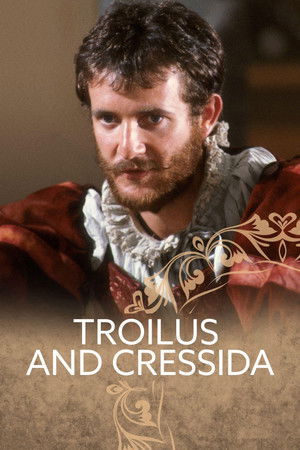
The bitter Trojan War drags on - the Greeks blame Achilles' apathy for low morale, while Troy's hero Hector challenges one of the enemy to a personal duel. And after her father exchanges Cressida for a Trojan prisoner, the war becomes personal for her distraught lover Troilus.