During the last forty years, the photographer Sebastião Salgado has been travelling through the continents, in the footsteps of an ever-changing humanity. He has witnessed the major events of our recent history: international conflicts, starvations and exodus… He is now embarking on the discovery of pristine territories, of the wild fauna and flora, of grandiose landscapes: a huge photographic project which is a tribute to the planet's beauty. Salgado's life and work are revealed to us by his son, Juliano, who went with him during his last journeys, and by Wim Wenders, a photographer himself.
Jeffery Robinson's talk on the history of U.S. anti-Black racism, with archival footage and interviews.
A moving recording of the late writer and renowned jazz singer Abbey Lincoln is captured in this new film from Brooklyn-born director Rodney Passé, who has previously worked with powerhouse music video director Khalil Joseph. Reading from her own works, Lincoln’s voice sets the tone for a film that explores the African American experience through fathers and their sons.
Paul Grignon's 47-minute animated presentation of "Money as Debt" tells in very simple and effective graphic terms what money is and how it is being created
A fascinating account of the presidency of Andrew Jackson, who was both one of America's great presidents and a borderline tyrant. The seventh president shook up the glossy world of Washington, DC with his "common-man" methods and ideals, but also oversaw one of the most controversial events in American history: the forced removal of Indian tribes, including the Cherokees, from their homes.
Inspired by the powerful true story of the Igbo Landing of 1803, where a group of enslaved Africans chose the ocean over slavery. This poetic film follows African freediver Tatiana Mendes as she confronts her own inner turmoil beneath the surface. Through the discipline of freediving, she dives into more than just water. She descends into inherited trauma, ancestral memory, and the quiet violence of modern life.
A documentary following the life of Olaudah Equiano, based on his autobiography "The Interesting Narration of the Life of Olaudah Equiano, or Gustavus Vassa the African".
Heroin anti-drug educational film
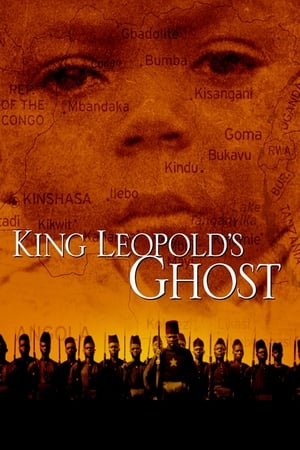
The modern history of the Congo, the heart of Africa, is a terrifying tale of appalling brutality: how the greedy and incredibly ruthless King Leopold II of Belgium (1935-1909) turned a vast country into his private estate (1885-1908) and how he plundered the land and raped the bodies and souls of its defenceless inhabitants, causing countless victims; and what exactly is the true impact of this often forgotten story of crime and horror today.
Set in a speakeasy in Atlanta, “Twenty” is a feature documentary about fifteen young people making it through 2020. The film is an observational time capsule that lays bare the raw reflections of a group of people surviving a year that will be seared into our generational memory.
African American filmmaker David A. Wilson decided to look into his family's history during the slave era. The result is this documentary, which provides a unique perspective on the long shadow cast by slavery in America. Wilson travels to North Carolina to visit the plantation where his ancestors once toiled and to meet its current owner -- a white man named David Wilson, whose slave-owning ancestors originally occupied the property.
The film documents modern slave trade through a number of African countries, under dictatorship rule. The filming was conducted both in public places, and sometimes with the use of hidden cameras, for high impact scenes of nudity, sex, and violence - and a few surprises, as slaves made out of peregrins to Asia, and slave traders paid in traveller checks.
"Explores the 400-year era of the transatlantic slave trade, when millions of Africans were kidnapped and shipped to the Americas. Features interviews with scholars, oral histories and a dramatic recreation of the Middle Passage" (The History Channel).
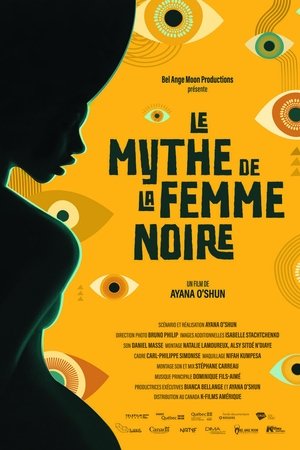
The Myth of the Black Woman is a feature-length documentary that examines the imagery of black women in the media, from the 18th century black slave to Michelle Obama. It is an investigation into how stereotypes originate from slavery and still affect the lives of black women in Quebec. These stereotypes include Jezebel (the seductress, the femme fatale); Mammie (the obese woman, the asexual mother figure) and Sapphire (the angry, ambitious and arrogant black woman). This story will be told by black women on whom stereotypes have a high impact, through interviews with fascinating experts, and through archival footage from centuries past to the present.
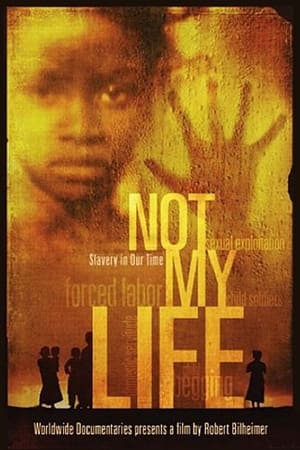
Not My Life comprehensively depicts the cruel and dehumanizing practices of human trafficking and modern slavery on a global scale. Filmed on five continents, in a dozen countries, Not My Life takes viewers into a world where millions of children are exploited through an astonishing array of practices including forced labor, sex tourism, sexual exploitation, and child soldiering.
A team of journalists investigate how human trafficking and child labor in the Ivory Coast fuels the worldwide chocolate industry. The crew interview both proponents and opponents of these alleged practices, and use hidden camera techniques to delve into the gritty world of cocoa plantations.
A descendant of the largest slave-trading family in U.S. history, filmmaker Katrina Browne explores the contemporary legacy of slavery by traveling with fellow descendents from Rhode Island to Ghana and Cuba, retracing the Triangle Trade route. Along the way, Browne and her companions meet with similarly interested travelers and discover the considerable importance slavery once had for Northern commerce.
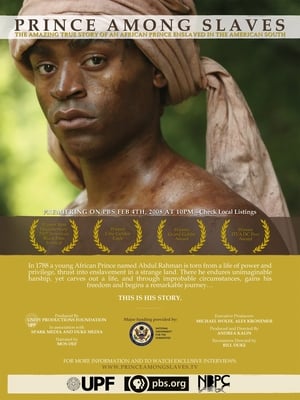
Abdul Rahman, an African prince who was sold into slavery, spent four decades in servitude before an amazing coincidence took him to the White House to meet President John Quincy Adams, where he was granted his freedom. Mos Def narrates this PBS documentary that includes reenactments of scenes from Rahman's life and interviews with historians who discuss the conditions faced by slaves in early America.
When the Civil War ended in 1865, more than four million slaves were set free. Over 70 years later, the memories of some 2,000 slave-era survivors were transcribed and preserved by the Library of Congress. These first-person anecdotes, ranging from the brutal to the bittersweet, have been brought to vivid life in this unique HBO documentary special, featuring the on-camera voices of over a dozen top African-American actors.
Slavery has always been part of Sudan's history, but in recent years it has become a new means in Sudanese warfare. Focuses on the moral dilemma aid organisations are faced with in Southern Sudan. For more then 17 years Africa's largest country is crippled by civil war between the Islamic North and the Christian-animistic South. Over 2 million people died during this conflict. One of its horrible consequences is the revival of slavery. Slavery has always been part of Sudan's history, but in recent years it has become a new means in Sudanese warfare.