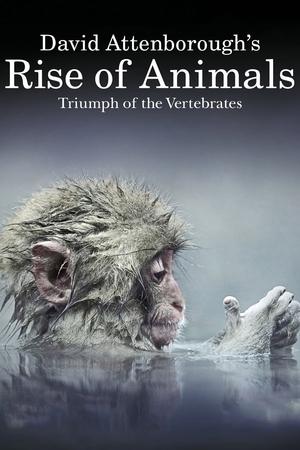
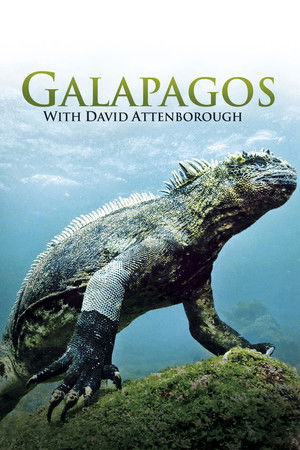
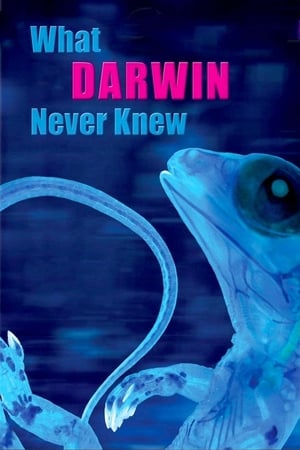
David Attenborough embarks on a remarkable 500 million-year journey revealing the extraordinary group of animals that dominate our world, and how their evolution defines our human bodies.
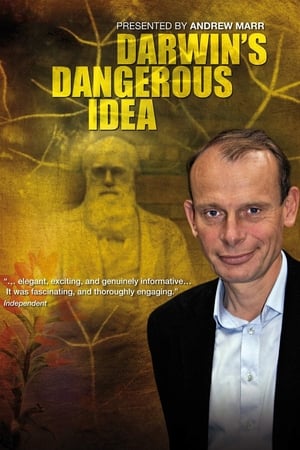
Andrew Marr explores how Darwin's theory of evolution by natural selection has taken on a life of its own far beyond the world of science.
Around the World in 80 Days is an animated television series that lasted one season of sixteen episodes, broadcast during the 1972-1973 season by NBC. It was the first Australian-produced cartoon to be shown on American network television. Leif Gram directed all sixteen episodes, and the stories were loosely adapted by Chester "Chet" Stover from the novel by Jules Verne.
Des trains pas comme les autres
A five-part series that features the latest research exploring how early humans evolved. See how the mixing of prehistoric human genes led the way for our species to survive and thrive around the globe. Archaeology, genetics and anthropology cast new light on 200,000 years of history, detailing how early humans became dominant.
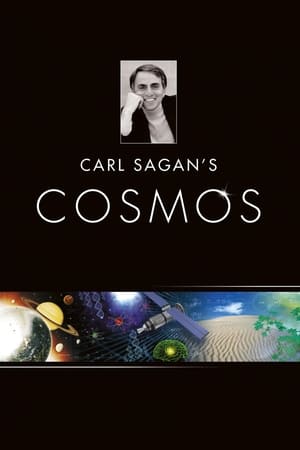
Carl Sagan covers a wide range of scientific subjects, including the origin of life and a perspective of our place in the universe.
Invitation au voyage
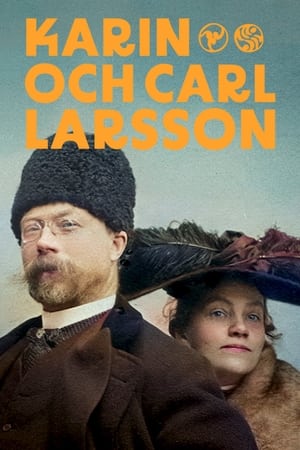
Karin och Carl Larsson
The history of decolonization from the point of view of colonized peoples, an epic story that still resonates and reverberates to this day.
Un matin sur terre
Hosted by Jason Silva, Origins: The Journey of Humankind rewinds all the way back to the beginning and traces the innovations that made us modern.
A documentary series about heroines of the II World War. Stories told from the perspective of the characters are full of emotions and tension, they show courage, sacrifice, willpower but also recklessness or pragmatism. Characters of the series are not flawless monuments but regular women with their own problems, who happened to play an important role in the history. The visual style of the project is animadoc. It comprises archival materials, interviews with experts, and sequences of fictionalised scenes: shots stylised as comic frames, where an actor is connected with scenography hand-drawn by comics illustrators.
Recounts the largest migration movement in history in which 55 million Europeans left their home countries and set off to America.
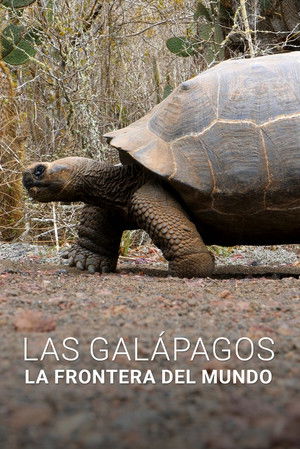
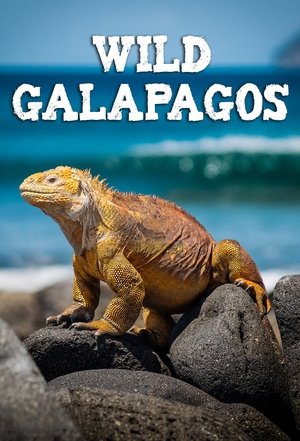
Liz Bonnin joins a scientific team on an expedition across the Galapagos Islands to carry out important research that will help protect the islands and their inhabitants.
The documentary series portrays cities that are characterized by their maritime location and have always been closely connected with the spirit of discovery.
Échappées Belles is a French weekly discovery magazine, broadcast on Saturdays in the first part of the evening on France 5 since September 30, 2006. It is presented in turn by Sophie Jovillard, Jérôme Pitorin, Ismaël Khelifa, Tiga, Sabine Quindou, Théo Curin and Anto Cocagne.
The history of the rise, rule and fall of the Eighteenth Amendment to the United States Constitution and the entire era it encompassed (1920-33). After nearly a century of activism, Prohibition was intended to improve the lives of all citizens by protecting individuals, families and society at large from the devastating effects of alcohol abuse; but paradoxically it made millions of people rethink their definition of morality.
A documentary on the American Civil War narrated by Ken Burns, covering the secession of the Confederacy to the assassination of Abraham Lincoln.
This extraordinary series is a sweeping account of the rise of Earth’s continents. They are the product of a grand waltz of plate tectonics and the continual evolution of Earth’s crust. As landmasses assemble and separate, they fuel volcanoes and spark earthquakes, building mountains and tearing valleys. We see the Earth, eons in the making, through the eyes of geologists and other scientists.