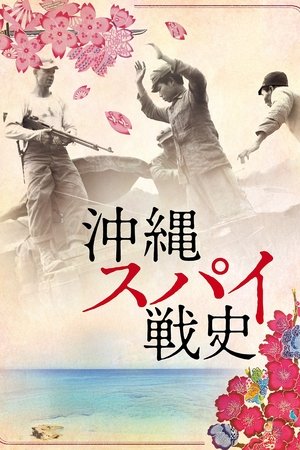
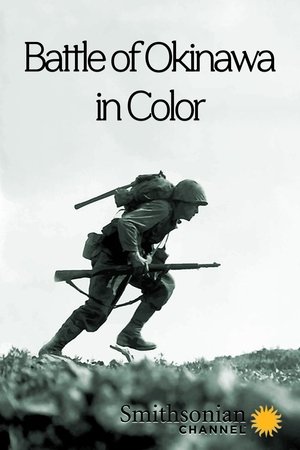
By mid-1945, Hitler is dead and the war has ended in Europe. Halfway around the world, however, the fighting is still going strong on a small island in the Pacific. Okinawa was the site of the last battle of the last great war of the 20th century, with a casualty rate in the tens of thousands. Through it all, military cameramen risked their lives to film the conflict, from brutal land combat to fierce kamikaze attacks at sea. See the footage they captured and experience this intense battle the way the soldiers saw it -- in color.
Director Miho Niikura examines the modern practice of tee (Okinawan karate), and its attractiveness to Westerners—some of whom travel thousands of miles to study the venerable martial art in its birthplace, Okinawa.
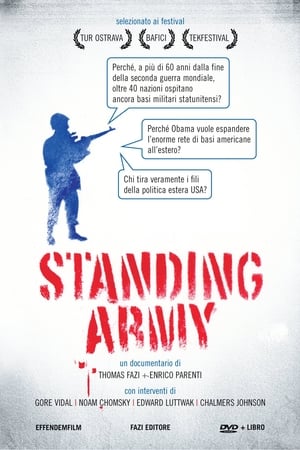
Standing Army, directed by Enrico Parenti and Thomas Fazi, is an award-winning documentary film about the global network of U.S. military bases, the impact that these have on local populations, and the military-industrial complex that lies behind it.
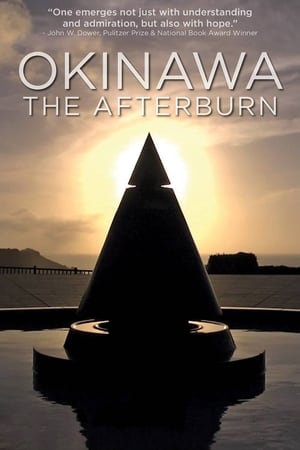
On April 1, 1945, the United States military launched its invasion of the main island of Okinawa, the start of a battle that was to last 12 weeks and claim the lives of some 240,000 people. This film depicts the Battle through the eyes of Japanese and American soldiers who fought each other on the same battlefield, along with Okinawa civilians who were swept up in the fighting. The film also depicts the history of discrimination and oppression forced upon Okinawa by the American and Japanese governments. Carrying up to the current controversy over the construction of a new base at Henoko, the film explores the root causes of the widespread disillusionment and anger expressed by many Okinawans. This ambitious documentary was directed by the American John Junkerman, long-term resident of Japan and Oscar-nominated documentary filmmaker. Okinawa: The Afterburn is a heartfelt plea for peace and an expression of deep respect for the unyielding spirit of the Okinawa people.
An Okinawan photographer, Mao Ishikawa was 33 years old when she crossed the ocean to Philadelphia in order to photograph the life of her friend, Myron Carr, a former US marine whom she met during his service in Okinawa in the 1970s. The subsequent photo book, “Life in Philly”, is filled with raw and vivid images, capturing the atmosphere and the culture of the predominantly African American neighborhood of downtown Philadelphia in the late 80s. This film looks back on those days, bringing Myron to remembrance as Mao and his surviving family try to find the missing pieces.
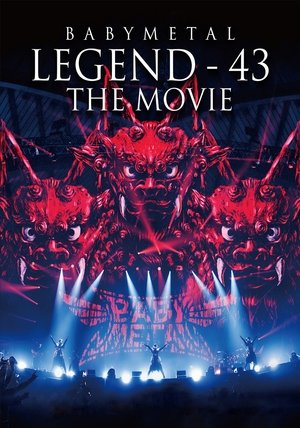
In April 2023, SU-METAL (vocal, dance), MOAMETAL (scream, dance), and MOMOMETAL (scream, dance) entered a new stage as the new BABYMETAL, and since then, they have embarked on their largest-ever world tour, "BABYMETAL WORLD TOUR 2023-2024," visiting 25 countries including Japan. The 98 performances, excluding festivals and guest act appearances, recorded a total audience of over 280,000 people.
The greatest taboo of the Battle of Okinawa were Guerrilla units composed of boy soldiers. Until now, not even the Japanese people knew the full scope of these secret troops, and survivors have been afraid to share their tragic details. Okinawa became the bulwark to protect the Japanese mainland toward the end of World War II. After the Americans landed, a violent battle ensued resulting in the loss of over 200,000 lives – many of them civilian. This documentary uncovers Japan’s deepest secrets concerning the Battle of Okinawa, and also sounds alarms about modern Japan’s recent steps toward remilitarization.
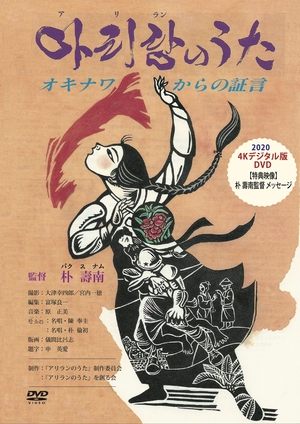
In the final hours of the Pacific War, Okinawa was the destination for Korean men conscripted as “military laborers” and Korean women taken as “comfort women.” Little is known about the number of casualties or their experiences. In 1989, Park Soonam started to track down the survivors of the Battle of Okinawa to record their testimonies. In 1990, Park visits Korea in search of former “military laborers” who had survived Okinawa and repatriated to Korea. The survivors vividly recount their experiences of their compatriots’ murder and about the “comfort women” to the Zainichi Korean female director. The film zeroes in on the murder of Korean “military laborers” and the presence of “comfort women” in Okinawa via testimonies of former Japanese soldiers.
An Okinawan photographer, Mao Ishikawa spent her early 20s working as a barmaid in establishments catered specifically to African American GIs stationed in Okinawa. “There was love,” as the tagline reads, her photography book, 『Red Flower – The Women of Okinawa』 captured the diaristic intimacy of friendships, love affairs, and wild nights shared amongst her social circle of that time.
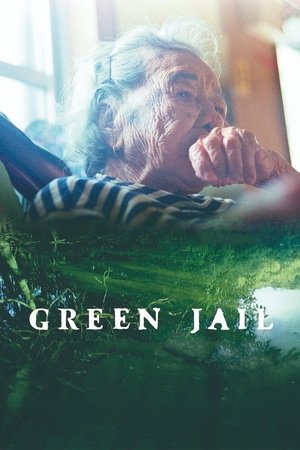
The film follows the last 4 years life of Grandma Hashima, the last existent from colonial Taiwan, who knows the secrets of "Green Jail," the notorious coal mine before World War II on Iriomote Island, Okinawa, Japan.
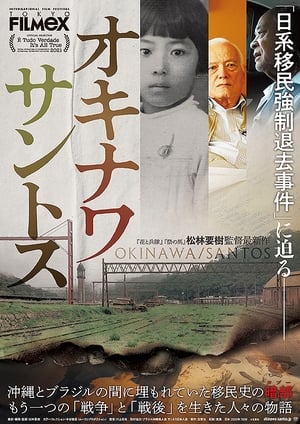
During World War II, many Japanese immigrants in Santos, Brazil, were forced to move to another place. Matsubayashi draws attention to the fact that 60% of the immigrants were from Okinawa. Based on testimonies from interviewees, this film reveals the hidden historical relationship between Okinawa and Brazil.
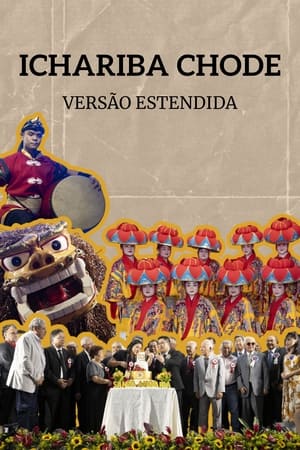
Ichariba Chode - versão estendida
This work was created to commemorate the reversion of Okinawa to Japan.
In post-WWII Japan, an American captain is brought in to help build a school, but the locals want a teahouse instead.
Major Daniel Kirby takes command of a squadron of Marine fliers just before they are about to go into combat. While the men are well meaning, he finds them undisciplined and prone to always finding excuses to do what is easy rather than what is necessary. The root of the problem is the second in command, Capt. Carl 'Griff' Griffin. Griff is the best flier in the group but Kirby finds him a poor commander who is not prepared to make the difficult decision that all commanders have to make - to put men in harm's way knowing that they may be killed.
A group of teenagers grow up in Okinawa amid the protests and resistance against the presence of the American base in the island.
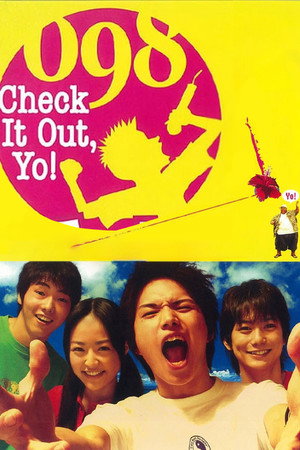
Tomboy Yui (Mao Inoue) brings her 3 male friends along with her to see a live performance of local Okinawan rap group, “Workaholic”. Upon witnessing the crowd reaction, the boys decide to start a rap group of their own to impress chicks—while Toru (Hayato Ichihara) has the added motivation of impressing his older, more sophisticated love interest Nagisa (Ayumi Ito). With only 2 weeks to learn how to play instruments and prepare for their first show, the performance is predictably humiliating. In order to save pride they decide to give it another shot, but this time they ditch the instruments for a sampler and stay truer to themselves. Will Toru be able to capture Nagisa’s heart? Will Yui ever confess her love to Toru or will she just keep practicing her advanced pro wrestling techniques on him instead?
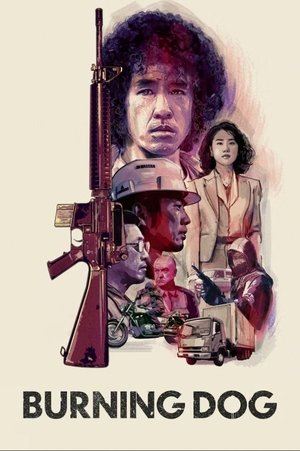
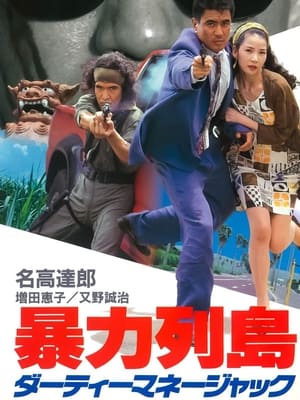
Jimmy Tong is an expert blackmailer and thief who specialises in white-collar crimes. With his side-kick, Jimmy steals a personal diary belonging to a Yakuza leader Ken Sato intending to use its details as a platform for blackmailing and to extort money. Sato agreed to the uneasy deal and made preparations to pay Jimmy his exorbitant demands only for Sato's girlfriend Jenny to betray him and make off with the money to Okinawa.
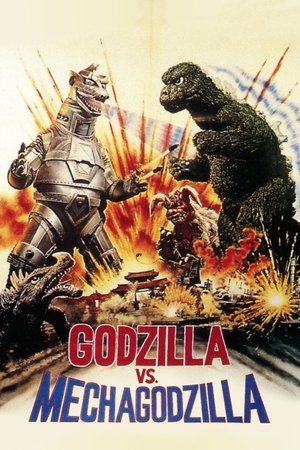
An Okinawan prophecy that foretells the destruction of the Earth is seeming fulfilled when Godzilla emerges to return to his destructive roots. But not all is what it seems after Godzilla breaks his ally Anguirus's jaw. Matters are further complicated when a second Godzilla emerges, revealing the doppelgänger as a mechanical weapon.
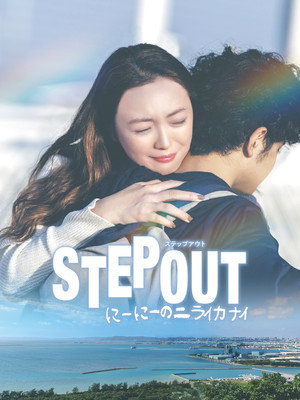
Abandoned after coming out, Shun befriends Mio just before he has to move. Years later, Mio returns with a confession. How will Shun feel?