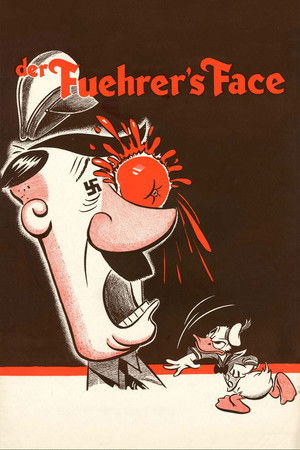
Dictator Adenoid Hynkel tries to expand his empire while a poor Jewish barber tries to avoid persecution from Hynkel's regime.
Philandering husband George Montfort purchases railroad tickets for a weekend tryst in the mountains with his latest paramour. When his wife Yvonne finds the tickets, George hastily explains that they were bought as an anniversary present for her. Yvonne doesn't believe George, but she decides to use her ticket anyway, while George remains behind in Paris on "business."
Hitler no longer believes in himself, and can barely see himself as an equal to even his sheep dog. But to seize the helm of the war he would have to create one of his famous fiery speeches to mobilize the masses. Goebbels therefore brings a Jewish acting teacher Grünbaum and his family from the camps in order to train the leader in rhetoric. Grünbaum is torn, but starts Hitler in his therapy ...
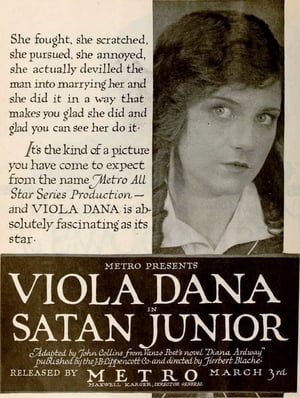
Famous playwright Paul Worden decamps to a country bungalow to work on a new play, rehearsing with his leading lady, Marjorie Sinclair, who is staying nearby. Going riding one day to relax, Paul rescues his neighbor, teenager Diana Ardway when her horse runs wild. The pair clash initially, as she does with Marjorie, but after a series of misunderstandings true love triumphs.
Drama in the Futurists' Cabaret No. 13
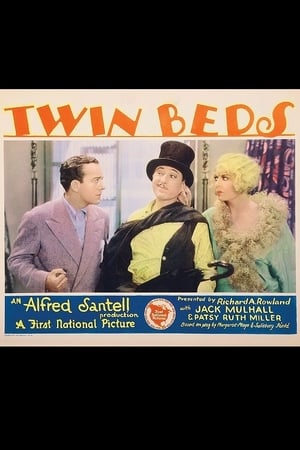
A young husband just wants to spend a quiet evening at home with his wife, but her collection of zany friends make hash of his hopes.
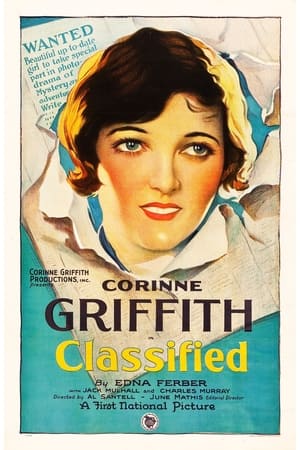
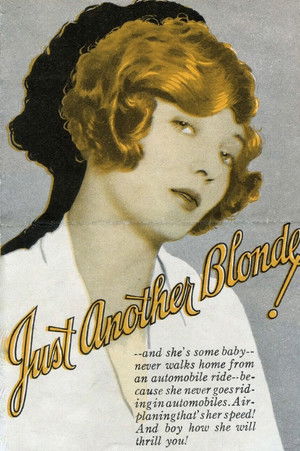
Babs Comet is employed by the classified ad department of the daily paper and uses her looks and position to get a husband.
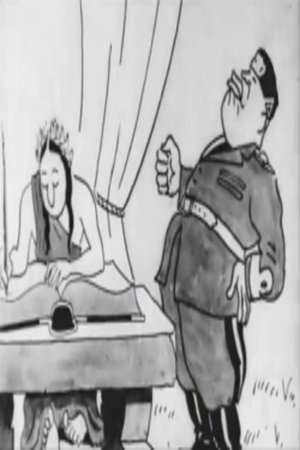
The first Greek animated film was shot by the cartoonist Stamatis Polenakis (1908-1997) with the title "The Duce tells...". The seven-minute "Mickey-Mouse-style" film, as its creator mentions in the credits, satirizes the Italian invasion of Greece on October 28, 1940, and especially Mussolini, who recounts his exploits, but reality constantly contradicts him. Stamatis Polenakis, one of the leading Greek cartoonists of the 20th century and a pioneer of animation in our country, began drawing the sketches for the film in 1942 in his hometown, Sifnos, where he had taken refuge during the Occupation. He worked under the boot of the Italian conqueror, risking arrest. The film was lost during the Civil War and it was not until 1980 that a negative was found and restored.
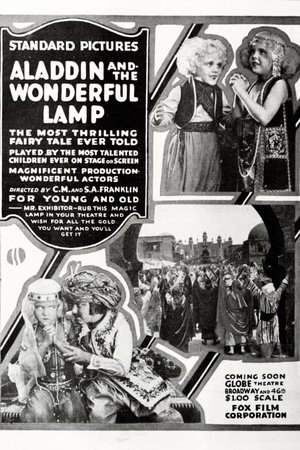
In Bagdad, Princess Badr al-Budur, the daughter of the Sultan, falls in love with Aladdin, the son of a poor tailor, and rejects the suit of evil alchemist al-Talib, her father's choice. Al-Talib consults his Evil Spirit, who advises him to find the magic lamp hidden in an underground cave. Unable to get it himself, al-Talib hires Aladdin, who secures the lamp but keeps it when he realizes al-Talib's wickedness. With wealth obtained through wishes, Aladdin courts the princess. After the lamp changes hands between al-Talib and Aladdin, al-Talib steals it and abducts the princess to the desert. Aladdin follows with only a gourd of water. Suffering from thirst and exhaustion, Aladdin nearly succumbs, but the horsemen of the Sultan, who learned of his daughter's abduction, ride up and rescue Aladdin.
Jerry Martin quits his dull job as a bank clerk and falls in with a band of hobos. He takes on the guise of Bachelor, the "king of the market," and finds himself pursued by dangerous men who are after the real Bachelor. *Only fragments are known to exist. Preserved by the Academy Film Archive in 2010.
A parodic music video that re-envisions the Horatio Alger myth of the American Dream via 1950s-style cultural cliches, advertising and Reagan-era media propaganda. Smith's 'regular guy' Mike embodies a series of all-American male stereotypes, from the classroom to political candidacy, assuming the roles of college prep, cowboy, train engineer, and real estate developer. Set to an ironic jingle recalling of an 'Up with People' anthem, this lampoon of Manifest Destiny concludes with Mike riding, like an ironic Marlboro Man, into the sunset.
Myra Coningsby, a newlywed who is determined not to be a submissive wife but ultimately learns to find a balance in her marriage after a dramatic incident involving a faked drowning.
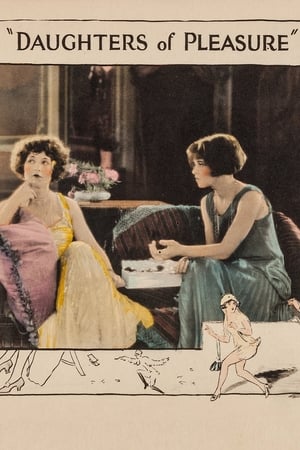
A cautionary tale for aspiring flappers. Five of six reels survive.
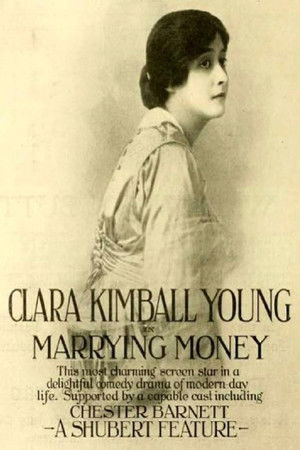
Neil McRae, an impoverished composer, loves Cynthia Mason, but, fearing poverty, proposes to wealthy Gladys Cady. Can he compose himself and find the courage to seek love over comfort?
Newly rich Mark Hadley drifts from his old-fashioned wife into a secret liason with Lila Millas, a pretty French girl. At the same time, he advises his daughter, Marjory, to break her ties with Kent Merrill...
Forsaken and broke, Wanda figures out a way to get money. She puts sunglasses on a sleeping homeless person in the park, cuts a hole in the bottom of the derby she's holding, then hides under the bench and picks up the coins dropped by passersby who take pity on the "blind man." She is approached by a handsome young man whom she tries to impress.
An extravagant girl reforms when her father goes bust.
Millionaire Kent Whitney is warned by Bob Harkness, one of her rejected suitors, about the fickleness of his girlfriend, socialite Myra Hastings. Together they concoct a scheme to teach her a lesson. Kent invites Myra home to meet his family, and she goes, expecting to find an atmosphere of elegance and refinement. Instead, she is greeted by Kent's eccentric father, who affronts her with crude jokes; Kent's mother is introduced reclining on a couch, surrounded by yapping dogs and Myra flees. Upon discovering that the evening was a ruse, Myra decides to retaliate. She hires a fake minister, pretends to marry Kent and then deserts him, leaving behind a message explaining that the ceremony was a farce. Kent pursues Myra and persuades her that a real marriage is in order.
The O'Donnells are a typical, everyday family -- Tad (George Hernandez) is a sensible working man, his wife (Fannie Midgely) is a good mother and their daughter Kathleen (Constance Binney) is pretty and innocent to the point of naiveté. Kathleen works in a factory and its owner, Donald Holiday (Warner Baxter), has taken a shine to her. But instead she falls for slick cab driver Harry Stanton (George Webb), who insists, "Honest, kid, you're the only girl I ever loved." Kathleen falls for this, and when her perceptive father makes clear he doesn't approve of Stanton, she moves out on her own.
Comic shenanigans from the team of Clark & McCullough.