In this powerful new film based on his bestselling book, sociologist Michael Kimmel maps the troubling social world where boys become men -- a new stage of development he calls "Guyland." Arguing that the traditional adult signposts and cultural signals that once helped boys navigate their way to manhood are no longer clear, Kimmel provides an astonishing glimpse into a world where more and more young men are trying desperately to prove their masculinity to other young men -- with frequently disastrous consequences for young women and other young men. Guyland offers a way for all of us -- parents, young men and women, community members, and professors and administrators -- to envision new ways to support young men as they navigate this often perilous world.
Filmmaker Anand Patwardhan looks to history and psychology as he delves into the possible reasons behind the demolition of the Babri Mosque.
A documentary that brings together interviews with 20 activists who address the issue of intersectional feminism and patriarchy in Portugal.
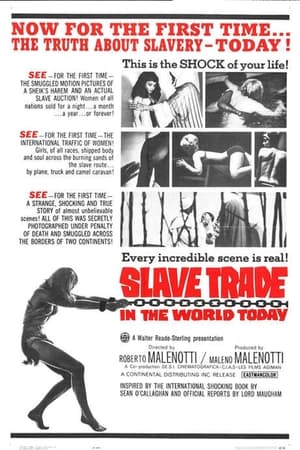
The film documents modern slave trade through a number of African countries, under dictatorship rule. The filming was conducted both in public places, and sometimes with the use of hidden cameras, for high impact scenes of nudity, sex, and violence - and a few surprises, as slaves made out of peregrins to Asia, and slave traders paid in traveller checks.
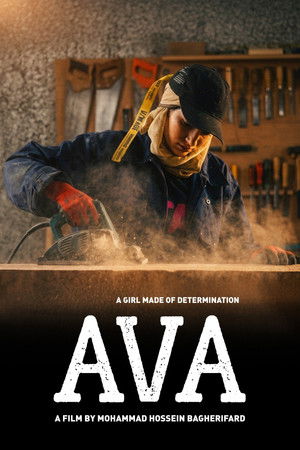
Breaking a centuries-old taboo, Ava stands as the first woman in Iran to master the male-dominated craft of carpentry. Within the grit and clamor of the workshop, she confronts a society that deems her presence forbidden. This observational documentary captures her daily battle against physical hardships and social judgment.
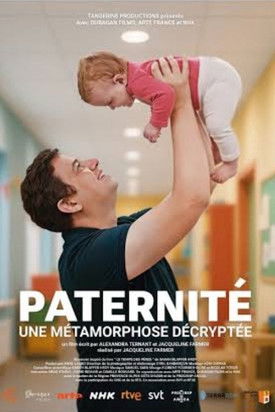
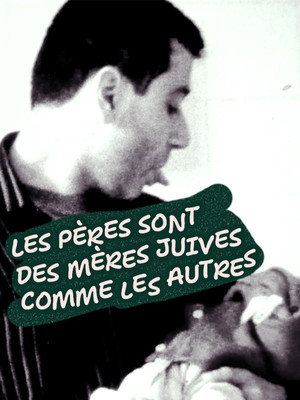
Becoming a father is an extraordinary adventure in a man's life, but it is also a real physiological metamorphosis that science is only just beginning to reveal. Researchers from multiple disciplines are lifting the veil on these changes taking place in men who are in contact with young children, and their discoveries are astonishing. By tracing the thread of evolution, the film reveals that these deep, long-ignored bonds between men and children are very ancient. And that they are just waiting for the right context to fully express themselves.
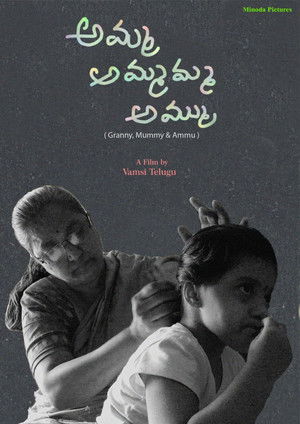
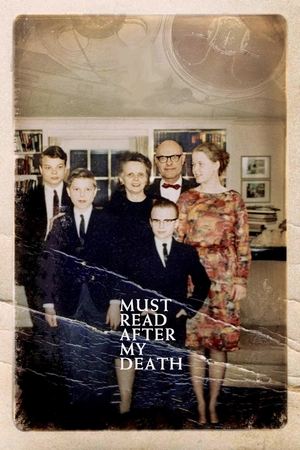
A grandmother dies and leaves behind hours of secret film and audio recordings as well as an envelope with the words “Must read after my death,” which reveal a dark history for her family to discover.
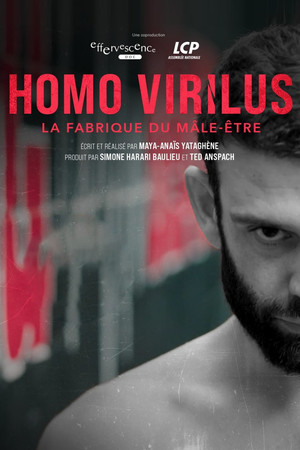
In France, as in the United States, an ideological divide is widening between girls and boys: "Young women born between 1995 and 2010 are hyper-progressive, while men of the same age are hyper-conservative," according to Alice Evans, a researcher at Stanford University. "Tens of millions of people who live in the same cities, work in the same places, attend the same classrooms, and even live in the same houses no longer share the same views. This is unprecedented. Generation Z is actually two generations, not one."
Now that contraception is controlled by women, men seem to experience carefree sexual freedom. In reality, they lose autonomy over their own seed. Director Lynn Deen started the film out of frustration: Why was the woman always the one to carry the burden that comes with lust? Gradually she saw that this luxury position actually places men in a dangerous position of dependence. They have virtually no control over both the prevention and the termination of a pregnancy. That is why they should be more involved in preventing pregnancy. Not only for women, but especially for themselves.
Given the fetishizing and normalizing character that is given to motherhood in patriarchy in order to perpetuate the social order, do we truly choose to be mothers? Why is care, of fundamental vital labor, presupposed as an especially appropriate task for women?
Radical feminist Andrea Dworkin's expose on the pornography industry.
The voices of women who do not know each other come together collectively for equality, and question the boundaries of the patriarchal order that surrounds not only women but also men, society, and all life. This shared narrative combines with their reflections, inviting the viewer to rethink gender equality, freedom, and the invisible boundaries that shape everyday life.
The collective of antipatriarchal men is a political organization that, since 2010, organizes spaces of group self-reflection to problematize the role of masculinity for those who identify as and/or are read as men. This documentary was filmed around one of their yearly regional forums.
La randonnée, une affaire qui marche
Social media superstar Qandeel Baloch pushed boundaries in conservative Pakistan like no other. In 2016, high on her newfound celebrity, Qandeel exposes a well-known Muslim cleric – with tragic results.
In a closed locker room, rugby players perform the last pre-match rituals. Warming up their souls and bodies, all tense in anticipation of the fight.
Jaime and Pablo explore and work on their identity by telling us about their experiences and participating in a masculinity theatrical laboratory where we will discover the conflict that led them to question their masculinity. This conflict forced them to question the games they taught us as boys, proposing different games where we learn to care for the people we love.
Matilda Pierre, a 26-year-old Guyanese actress, chooses to tell her story and publicly embrace her sexual orientation in a society where homosexuality remains largely taboo. Attracted to women, men, and transgender people, she must deal with insults, threats, and the weight of others’ judgment. Through her testimony, Matilda reveals the reality experienced by many young LGBTQIA+ people in French Guiana. The documentary also gives voice to other young people, such as Marcus, a bisexual Amerindian who hides his orientation for fear of rejection from his family. Between silence, fear, and social pressure, many live their identities in the shadows.
Manly Feelings is a short film by Chris Blom, about the difficulty that many men face while experiencing, expressing, and sharing the difficult emotion of sadness. The film lingers in this place of difficulty through interviews with men, supported by metaphorical imagery.
Caste Aside is a documentary about the British government's controversial decision on whether or not to introduce legislation against caste discrimination in the UK. Highlighting both sides of this heated debate, the documentary speaks to Dalit rights activists, Hindu community leaders, academics and lawyers, as well as those who say they have been discriminated against on the basis of their caste - here in Britain.