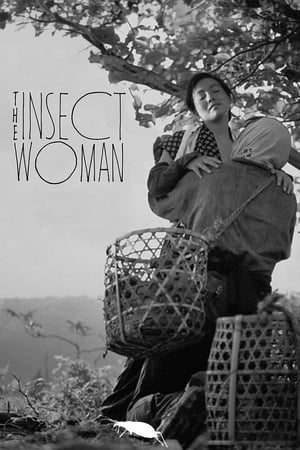
A woman, Tome, is born to a lower class family in Japan in 1918. The title refers to an insect, repeating its mistakes, as in an infinite circle. Imamura, with this metaphor, introduces the life of Tome, who keeps trying to change her poor life.
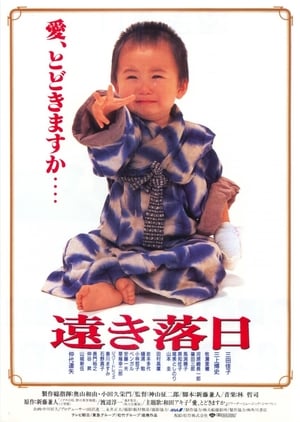
Faraway Sunset tells the story of the famed bacteriologist who is known to have discovered the agent that cause syphilis, and for his relentless search for a cure to yellow fever. As a toddler, his mother's neglect had caused an accident to his left hand, fusing together all the fingers in a bizarre twist of fate. Naturally extremely remorseful for being the cause of her son's handicap, she does everything she could to ensure that he gets to lead a normal life, despite having to fend off bullies and unfair prejudices.
Kenji, the eldest son of Masajiro, a wealthy moneylender, refuses to work in the family business and becomes obsessed with farming, jewelry and religion.
In turn of the 20th Century Japan, a period characterized by widespread innovation and social restructuring, Benio Hanamura endeavors to take modernization to new heights. With a tomboy nature, Benio rails against traditional ideas that women should take care of the home—serving their husbands rather than pursuing their own dreams. Her values as a modern woman come under fire as the one man who supports her independence, Lieutenant Shinobu Ijuin, goes missing in action. Resurfacing back in Japan, Shinobu has lost all memory of his true identity. In this stunning sequel, will Benio be able to reconnect with Shinobu before she is married off to a new man?
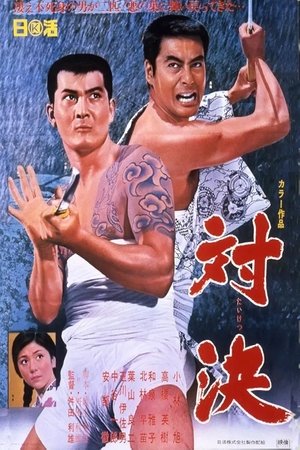
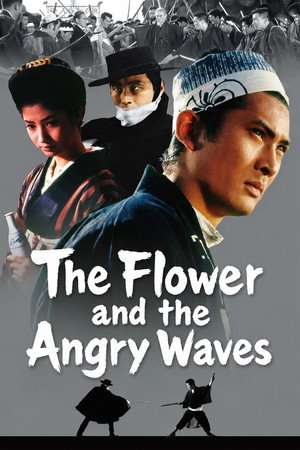
Late Taishō period. The Shibatora family, led by Naojirō, held power over the Tomigawara area in Jōshū. After launching an attack on the Takayasu family for encroaching on their territory, they were instead ambushed by Takayasu's forces. Taking full responsibility, Naojirō turned himself in to the police. Six years later, upon his release, he is enraged to find that everything has changed drastically from how it once was.
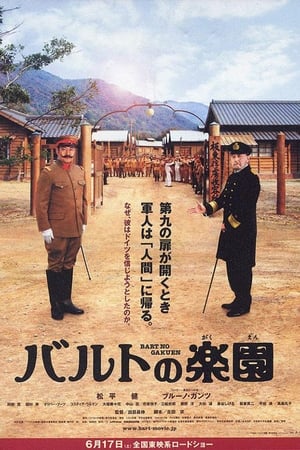
Based on the true story of the Bandō prisoner-of-war camp in World War I. It depicts the friendship of the German POWs with the director of the camp and local residents at the stage of Naruto, Tokushima Prefecture, in Japan.
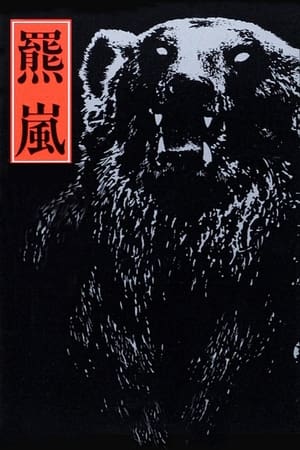
An adaptation of Akira Yoshimura's original suspense novel starring Rentaro Mikuni. 4th year of the Taishō era. About 15 families who moved in search of agricultural land to the land of the pioneers in Hokkaido led a peaceful life. One day, one of the pioneers, Mikio Shimakawa's wife Yura, and her child Taichi are attacked and killed by a bear that cannot hibernate. To resolve the situation, Shimakawa goes against all odds and turns to Ginshiro, the most hated hunter in the village, for help. While Shimakawa was away from the village, Yura and his friends were holding a funeral, the bear attacked again...
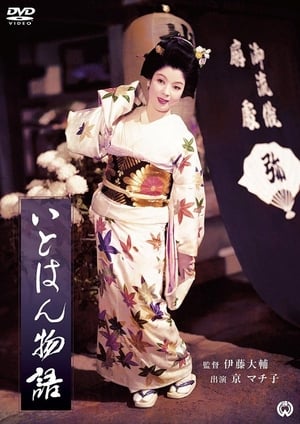
Based on the original work by Shuji Hojo, Itohan Monogatari depicts the fate of a clumsy and kind-hearted woman in the Taisho era.
A marquis' mistress becomes pregnant with fraternal twins. He keeps the boy, but sends his bodyguard to dispose of the mother and the girl. Years later…
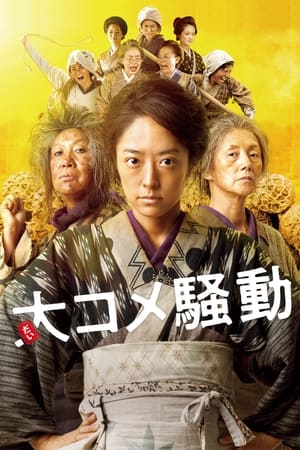
In August, 1918, Matsuura Ito lives in a coastal village of Toyama with her husband and three children. During the summer, there wasn't much fish to catch, so her husband has been far away from home to catch fish. To support herself and her children, Ito carries goods from ships like the other women in the village. Meanwhile, the residents encounter rising prices for rice. The women are unable to feed their family due to the high prices of rice. The women ask a nearby rice store to sell rice at lower prices, but it fails. The price of rice continues to rise daily. Due to an incident, Ito and the other village women step up to the plate.
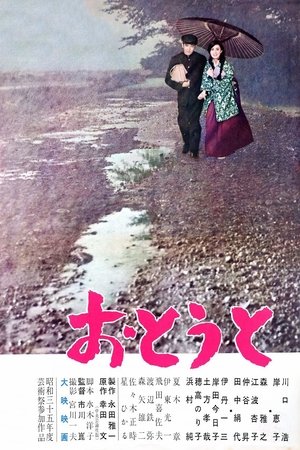
Set in 1926 when Japanese tradition was much stronger, this drama looks at the inner workings of a small family, especially the relationship between a sister and brother.
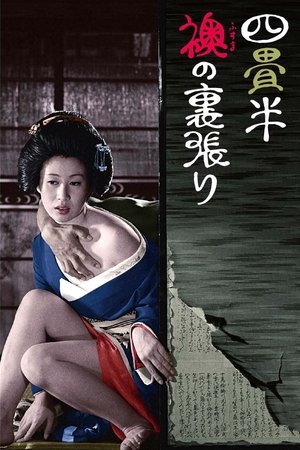
The world is in turmoil with the October Revolution of 1917, riots over the inflationary price of rice, and the military expedition to Siberia in 1918. But Shinsuke, a brothel owner, spends his days in the arms of geishas, paying little heed to the events happening around him.
Based on the first novel, Spring Snow, of Mishima Yukio's Sea of Fertility tetralogy, it follows the troubled and illicit affair between two youngsters amongst the aristocracy and rich of early twentieth century Japan.
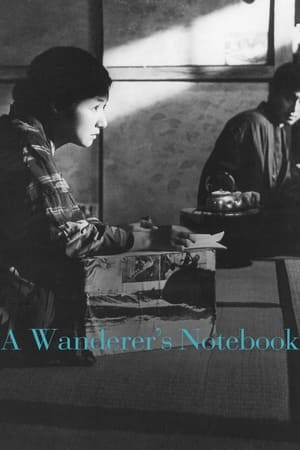
Based on the life and career of novelist Fumiko Hayashi, she bitterly struggles for literary recognition in the first half of the 20th-century – her affairs with feckless men, the jobs she took to survive (peddler, waitress, bar maid), and her arduous, often humiliating attempts to get published in a male-dominated culture.
A young yakuza in love with the girl who's to marry his clan oyabun, kidnaps the girl before fleeing with her. In Tokyo, he hides under the identity of a worker while the young woman becomes a waitress in a restaurant.
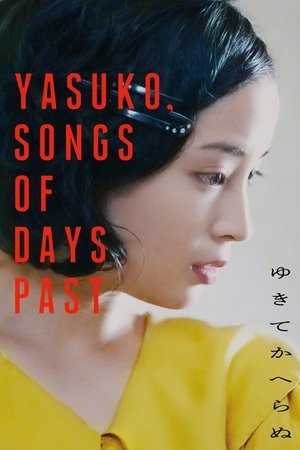
In the early 1920s, Yasuko, a budding actress, crosses paths with Chūya Nakahara, a young poet destined to be revered as a genius. Drawn to each other by their shared pretentiousness, they begin living together and quickly fall into a complex relationship. Their lives take a dramatic turn when they move to Tokyo and are visited by Hideo Kobayashi, a friend of Chūya’s who would later emerge as one of Japan's foremost literary critics. This seemingly chance encounter not only alters Yasuko's fate but also entwines the three of them in an intense and inescapable destiny.
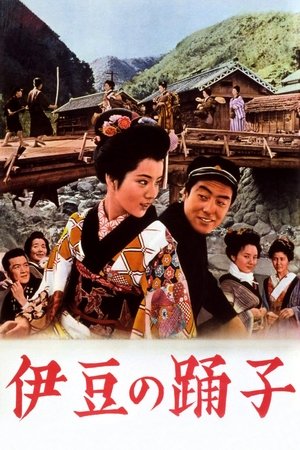
During his idle journey on the Izu Peninsula, a university student, Kawasaki, encounters a group of traveling entertainers – including Kaoru (Sayuri Yoshinaga), one of the “odoriko”. Kawasaki is taken and cannot take his eyes off her. When he is invited to stay at the same lodgings, the two grow closer. In time, the two come to learn the pain of love.
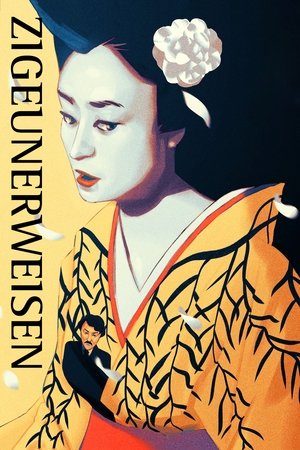
A surreal period film following a university professor and his eerie nomad friend as they go through loose romantic triangles and face death in peculiar ways.
A 1920s playwright meets a beautiful woman who may be the ghost of his patron's deceased wife.
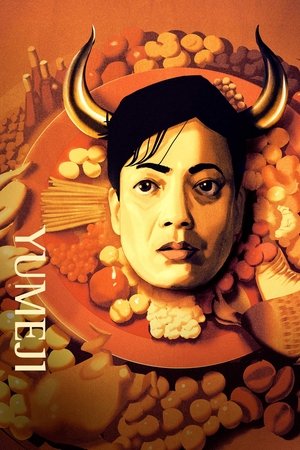
Following the life of Japanese artist and poet Yumeji Takehisa through the imagining of an encounter with a beautiful widow with a dark past.