50 años de... Canciones
Hilversum in Black and White portrays Hilversum in the period 1924-1974. Using amateur footage and excerpts from Polygoon newsreels from that period, the film shows how the town grew from its five hundredth anniversary in 1924 to a city of one hundred thousand inhabitants. 'Hilversum in Black and White' is a production of the Hilversum Historical Circle Albertus Perk for the occasion of Hilversum's six-hundredth anniversary. They previously produced "Hilversum Occupied and Liberated, 1940-1945."
The documentary tells the story of Uschi, a farmer living free and recluded in the bavarian alps. Shot in epic black and white pictures, Still follows Uschi's life over a ten year period. From an untroubled summer of making cheese through pregnancy and the uncertain future of the parental farm, Matti Bauer portrays Uschi's struggle to keep alive the dream of a way of life that has become rather untypical in this day and age.
The social democrats of the sixties and seventies worked on their grand plan to build a highway network in Germany that every German citizen could reach within five minutes of their home. The little film hangs around between and on the streets of this network - where the country discos, pedestrian zones, shopping centers, hospitals and roads home are behind noise barriers.
A cinematic portrait of the homeless population who live permanently in the underground tunnels of New York City.
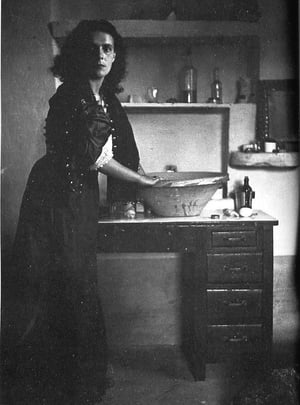
The first woman to appear in front of an Edison motion picture camera and possibly the first woman to appear in a motion picture within the United States. In the film, Carmencita is recorded going through a routine she had been performing at Koster & Bial's in New York since February 1890.
Documentary on the former border patrol sergeant Klein. Klein deserted in 1961, defected to the enemy and betrayed state and military secrets. He was caught by the security forces.
Archival footage of an American Nazi rally that attracted 20,000 people at Madison Square Garden in 1939, shortly before the beginning of World War II.
Short documentary about eels
World War II was not just the most destructive conflict in humanity, it was also the greatest theft in history: lives, families, communities, property, culture and heritage were all stolen. The story of Nazi Germany's plundering of Europe's great works of art during World War II and Allied efforts to minimize the damage.
A meditation on the human quest to transcend physicality, constructed from decaying archival footage and set to an original symphonic score.
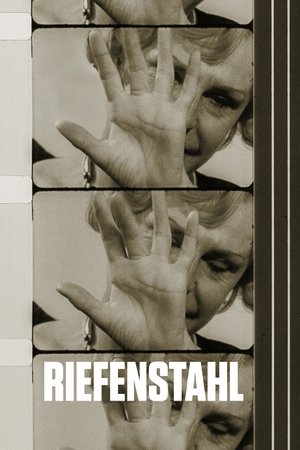
Explores Leni Riefenstahl's artistic legacy and her complex ties to the Nazi regime, juxtaposing her self-portrayal with evidence suggesting awareness of the regime's atrocities.
Documentary about the Protestant Church
The film shows the various stages of the Stahlhelm's integration into the NSDAP and the Third Reich.
The film shows the manufacture of a luxury edition of "Mein Kampf" on real parchment, handwritten.
The 5th anniversary of the inner-German wall to West Germany and West Berlin is on the agenda. The necessity of erecting the border is illustrated by comparing the situation in 1939 and the situation in the summer of 1961 with regard to the "threat of intervention" by the Western powers. Berlin people and GDR border guards are interviewed.
The first blitzkrieg, Hitler's invasion of Poland, is traced in this original Nazi propaganda film from 1940.
Cinéastes de notre temps : Erich von Stroheim
Filmmakers of Our Time: François Truffaut or the Critical Spirit
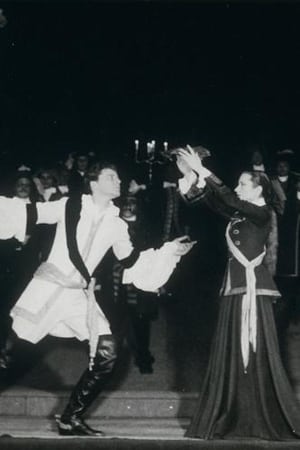
The T.N.P., the Théâtre National Populaire, an important experimental theater directed by Jean Vilar. Franju combines sequences from theatrical performances with documentary images, creating links and confrontations between theater and the real world.