Jak roste chléb
Víťazstvo na pustatine
Jarní práce
Lepší podmínky – zdravější chov prasat
Document about the achievements of unified agricultural cooperatives in Slovakia. In the form of an excursion, he takes the viewer around individual cooperatives in order to convince him of the success of new working methods in agriculture.
Na kořen zla
Agitka about a peasant who joined a unified agricultural cooperative when he became convinced of the benefits it provides.
A film about the experiences that Czechoslovak peasants gained on a study trip to the Soviet Union.
Oslobodená dedina
Documentary film about the advantages of joint farming in unified agricultural cooperatives.
Promotional film about the benefits of joint farming in unified agricultural cooperatives in Slovakia.
A film about new forms of agricultural production in Slovakia.
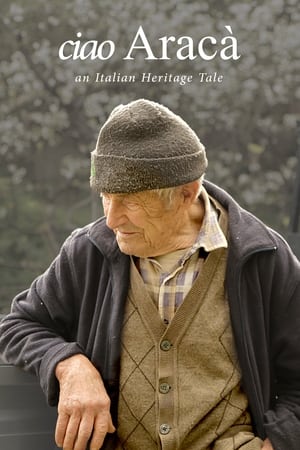
"...a charming depiction of life as I knew it with my grandparents in my own village..." Clara Caleo Green, Cinema Italia UK "The sum of the individual fates and life choices paints a picture, the validity of which extends far beyond this village." Joachim Manzin, Black Box This documentary records the thoughtful and emotional confrontation with time, change, loss and hope related by the members of a small community in the idyllic Ligurian countryside who are dealing with a rapidly changing agricultural industry, transformed by globalisation and technological advances and an increasing number of foreigners buying the empty houses in their village. Forgoing the use of music and voice over, the film lets Aracà's inhabitants tell their own stories and allows the audience to dive into the rich soundscape of the ligurian alpine countryside.
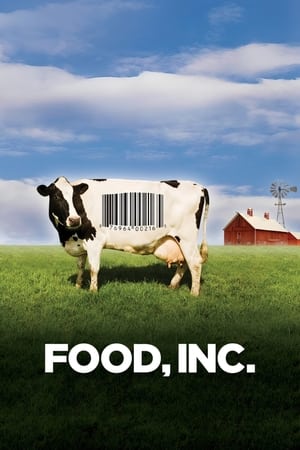
Documentary filmmaker Robert Kenner examines how mammoth corporations have taken over all aspects of the food chain in the United States, from the farms where our food is grown to the chain restaurants and supermarkets where it's sold. Narrated by author and activist Eric Schlosser, the film features interviews with average Americans about their dietary habits, commentary from food experts like Michael Pollan and unsettling footage shot inside large-scale animal processing plants.
This portait of life on the tea plantations is decidedly rosy – clearly, there are no exploited workers here. However, the film provides an intriguing overview of tea production – from the planting of tea seeds to the final shipping of the precious leaves across the globe.
Plastique, la menace toxique
Společnou brázdou
How Things Have Changed
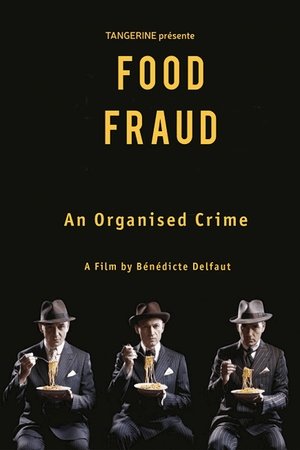
All food can be adulterated. More discreet than a drug cartel, more elusive than arms dealers, criminals have taken over food. Olive oil, fish, meat, spices, no department escapes their juicy traffic. A jackpot estimated in Europe at 30 billion euros enriches a new kind of mafia every year. Organized crime is selling altered products in restaurants, supermarkets and all food shops in the European Union. Their secret is to replace an ingredient with a cheaper one. Who are these new traffickers? What are their methods of operation?
On the Sorrento peninsula, orange and lemon groves stretch all the way to the coast. In the orange plantations, the high wooden frames are covered with mats to protect the trees from intense sunlight. The function of the artificial irrigation system is demonstrated. The oculation of trees is demonstrated in a young plantation. The oranges are cleaned on the spot, then sent to the laundry, cleaned, dried and made ready for dispatch. In a lemon plantation, many pickers stand on ladders on a tall tree and remove the fruit. The lemons are sorted, wrapped in tissue paper and packaged in home and large-scale factories. Before being exported, the goods are checked again for quality.